

Selecting the right type of carers directly determines how effectively an individual's health, safety, and daily routines are managed. When families begin evaluating support options, they often discover a wide range of professionals, paraprofessionals, and volunteers available in the healthcare market.
Identifying the appropriate level of support requires a clear understanding of the specific skills, qualifications, and legal boundaries associated with different caregiving roles.
The following sections outline the primary classifications of care providers to help you make informed decisions based on practical requirements, medical necessities, and budget constraints.
What Defines a Specific Type of Carers?
The medical field and social services sector categorize care providers based on their formal training, medical certification, and operational relationship to the care recipient.
These professional distinctions dictate the exact scope of practice a caregiver is legally permitted to perform in a home or facility setting.
Informal Caregivers
These are typically family members, friends, or neighbors who provide assistance without formal employment or financial compensation.
They manage foundational tasks such as grocery shopping, transportation to medical appointments, financial management, and basic supervision. While they lack formal medical training, informal caregivers manage the bulk of long-term care needs globally.
Formal Caregivers
These individuals are paid professionals who have completed specific training and educational requirements. They are usually employed through licensed home care agencies, local hospitals, or hired directly as independent contractors.
Their specific daily duties are strictly defined by their certifications, agency policies, and local government laws.
Categories of Professional Care
The professional caregiving industry offers several distinct levels of support. Understanding these specific roles helps prevent the costly mistake of hiring overqualified personnel for basic household needs or underqualified individuals for complex medical situations.
1. Personal Care Aides
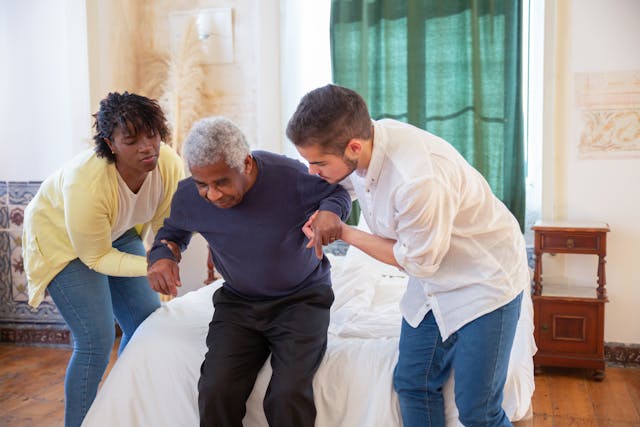
Personal Care Aides focus primarily on assisting with routine Activities of Daily Living. Their daily responsibilities include bathing, dressing, grooming, toileting, and mobility assistance. They also handle instrumental activities such as meal preparation, light household cleaning, laundry, and running errands.
These professionals do not provide medical services and cannot administer medications. They are the ideal choice for individuals who are physically frail but medically stable.
2. Home Health Aides
Home Health Aides perform many of the same routine duties as Personal Care Aides but possess additional basic medical training. Depending on local regulations, this type of carers must complete state-approved training programs, pass competency evaluations, and operate under the supervision of a registered nurse.
They are authorized to monitor vital signs, assist with prescribed therapeutic exercises, and help patients take pre-measured oral medications.
3. Skilled Nursing Providers
Registered Nurses and Licensed Practical Nurses deliver high-level medical care directly in a residential setting. Their specialized services are mandatory for complex medical interventions such as wound care, administering intravenous medications, managing feeding tubes, and operating specialized respiratory equipment.
This advanced level of care is usually prescribed by a physician following a hospital discharge or during the active management of a severe chronic illness.
4. Hospice and Palliative Care Workers
Hospice and palliative care teams focus entirely on comfort and quality of life rather than curative medical treatments.
These professionals manage severe pain, administer symptom-relief medications, and provide logistical support during the final stages of a terminal illness.
While there are various types of caregivers, they all share core responsibilities to ensure the well-being of their patients. To learn more about what they do daily, check out our comprehensive guide on the duties of a caregiver.
Specialized Care Settings and Roles
Certain medical conditions and family situations require providers with highly specific skill sets tailored to unique challenges.
Memory Care Specialists
A specialized type of carers is necessary when dealing with progressive neurological conditions like Alzheimer's disease or other forms of dementia. Memory care specialists undergo specific training in behavior management techniques, wandering prevention, and de-escalation communication strategies.
Their primary goal is to reduce confusion, prevent agitation, and maintain a safe environment for patients experiencing cognitive decline.
Respite Care Providers
Respite care focuses entirely on providing temporary, short-term relief to primary informal caregivers. These professionals take over caregiving duties for a few hours, a weekend, or even several weeks.
This scheduled intervention allows the primary caregiver time to rest, travel, or manage personal legal affairs, ensuring continuous professional supervision for the care recipient.
How to Evaluate Your Care Requirements
Selecting the appropriate support structure requires a systematic and objective evaluation of the care recipient's daily reality. Use the following steps to assess your situation:
- Assess Medical Needs
Determine if the individual requires daily injections, sterile wound dressing, or physical therapy. If these needs exist, skilled nursing or home health aides are mandatory. - Evaluate Daily Living Activities
Document exactly which daily tasks the individual struggles to complete independently. Track activities like bathing, cooking, walking, or using the restroom over a standard week. - Review Financial Resources
Care costs vary drastically based on the provider's professional qualifications. Private health insurance, long-term care policies, and government assistance programs often enforce strict rules regarding which credentials a caregiver must hold to qualify for financial reimbursement. - Consider the Living Environment
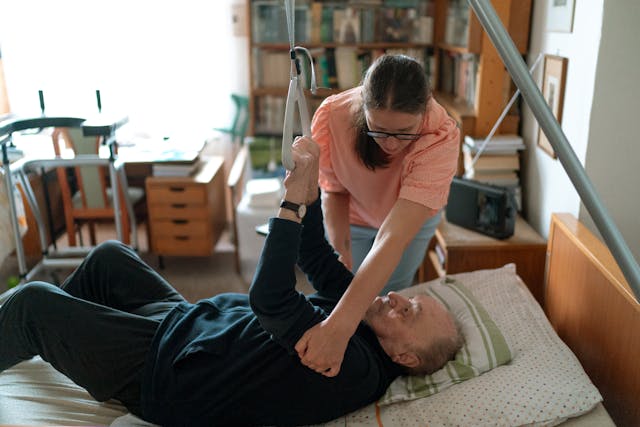
Evaluate the physical home for safety hazards. Determine if the caregiver will need physical strength to perform heavy lifting or specialized transfers from a bed to a wheelchair.
See Also: Best Patient Lift Transfer Chair
Moving Forward with Your Decision
Securing reliable assistance is a highly logistical process that benefits from clear planning, extensive research, and objective assessment. Selecting the most appropriate type of carers requires careful evaluation of current needs, financial capabilities, and potential future medical requirements.
By understanding the exact qualifications and daily duties associated with each professional role, families can confidently establish a safe, supportive, and effective care environment.


