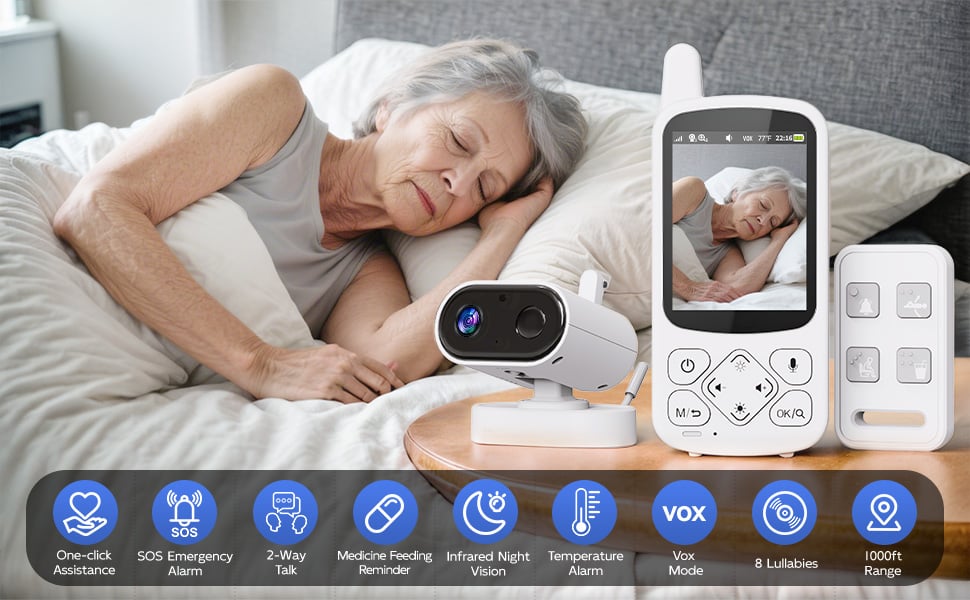

The best cameras for elderly monitoring serve as essential tools for families who need to ensure the safety of their aging loved ones without infringing on their sense of independence. These devices are no longer just simple video feeds; they have evolved into sophisticated communication hubs that bridge the gap between caregivers and the elderly.
Selecting the right system requires a clear understanding of specific features such as two-way audio, emergency call buttons, and motion detection. This guide evaluates six top-rated options available on the market to help you make an informed decision based on technical specifications and practical utility.
The Best Cameras for Elderly Monitoring: Top Caregiver Picks
When looking for the best cameras for elderly monitoring, the following products represent the current standards in the industry, ranging from high-resolution indoor units to portable monitors that do not require an internet connection.
1. Sair pet Room Monitors for Elderly Monitor with Camera and Audio
The Sair pet monitor is designed for those who require a straightforward, stationary view of a specific living area. This device focuses on clarity and ease of use, providing a high-quality video feed that allows caregivers to check in via a smartphone application.
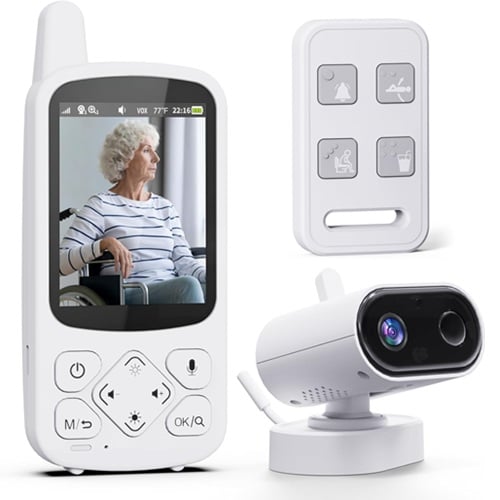
- Key Features: It offers sharp night vision and reliable two-way audio. The audio component is particularly important for seniors who may not be near their phone but need to communicate with a caregiver in another room or outside the house.
- Practical Application: This unit is best suited for placement in a bedroom or a living room where a senior spends most of their time. The setup process is streamlined to ensure that even those who are not tech-savvy can get the system running quickly.
- Pros: Compact design and very sensitive microphones that pick up low-volume speech.
- Cons: Fixed viewing angle means you may need multiple units for larger rooms.
2. NGTeco Two Way Video Calling Camera (4MP HD Indoor)
The NGTeco model stands out because of its dual-band Wi-Fi support and 4MP high-definition resolution. In the realm of the best cameras for elderly monitoring, resolution matters because it allows caregivers to see fine details, such as whether a loved one is taking their medication correctly.
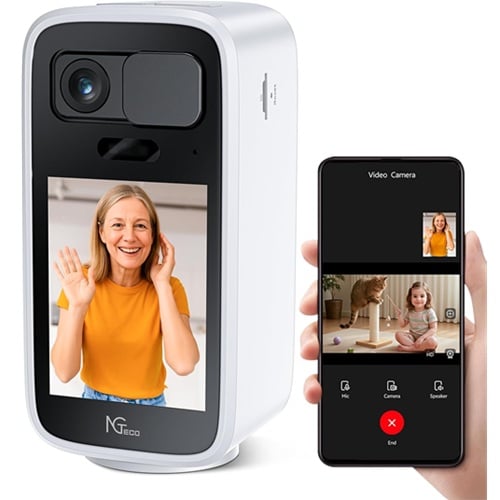
- One-Touch Calling: This camera features a physical button that the elderly person can press to initiate a video call to the caregiver's phone. This removes the complexity of using a smartphone for the senior.
- Physical Privacy Shield: For many seniors, privacy is a concern. The NGTeco includes a physical shield that can cover the lens when monitoring is not desired, providing peace of mind regarding digital security.
- Performance: The 4MP lens provides a much crisper image than standard 1080p cameras, which is helpful when zooming in to check the environment for potential hazards.
3. CallToU 2-Way Talk Baby Monitors with Call Button
The CallToU system is a specialized hybrid between a traditional camera and an emergency alert system. It is specifically marketed for elderly care, recognizing that a visual feed is often more useful when paired with a dedicated physical trigger.
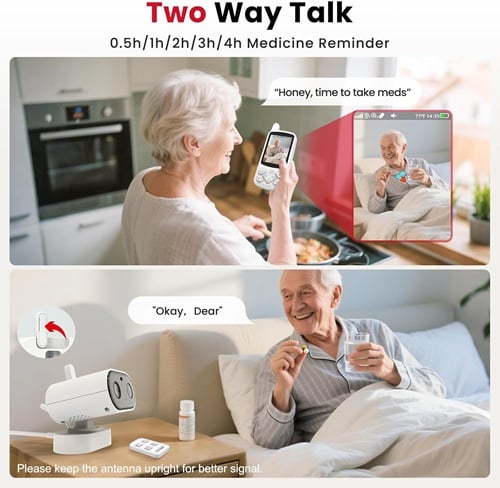
- The Call Button Component: Unlike standard cameras, this package includes a wearable or wall-mountable call button. When pressed, it alerts the monitor immediately, making it one of the best cameras for elderly monitoring for seniors with limited mobility.
- No-Frills Interface: The handheld monitor for the caregiver is dedicated and does not require a smartphone. This is ideal for caregivers who prefer a "plug-and-play" device that works out of the box without worrying about app updates or Wi-Fi drops.
- Coverage: It provides a stable long-range connection, suitable for larger homes where the caregiver might be in the backyard or garage.
4. Smart Caregiver Video Monitor for Elderly Care
Smart Caregiver is a brand that focuses exclusively on the geriatric market. Their video monitor system is built for durability and continuous use. This is a closed-circuit system, meaning it does not use the internet, which enhances privacy and prevents hacking risks.
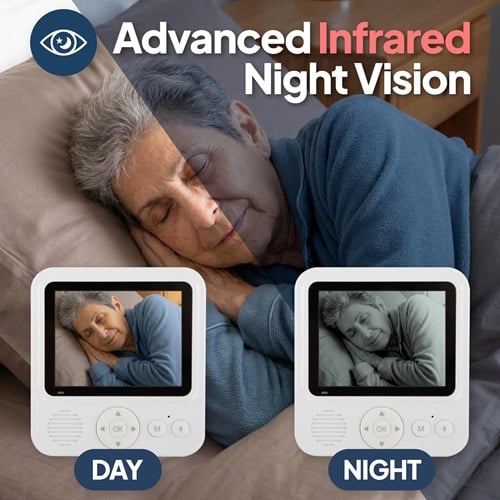
- Dedicated Handheld Unit: The caregiver receives a portable screen with a long battery life. This allows for constant observation while moving around the house.
- Expandability: The system can often be expanded with additional cameras or pressure pads (sold separately), allowing for a comprehensive safety net around the senior’s bed or chair.
- Clarity: While the resolution may be lower than 4K security cameras, it is optimized for human movement and low-light conditions typical of a bedroom at night.
5. HelloBaby Baby Monitor 6" Portable Video Audio Monitor
Despite the "Baby Monitor" branding, the HelloBaby 6-inch model is frequently recommended for elderly care due to its large screen and portability. For a caregiver who may have their own vision challenges, the 6-inch display is much easier to read than a standard smartphone screen.
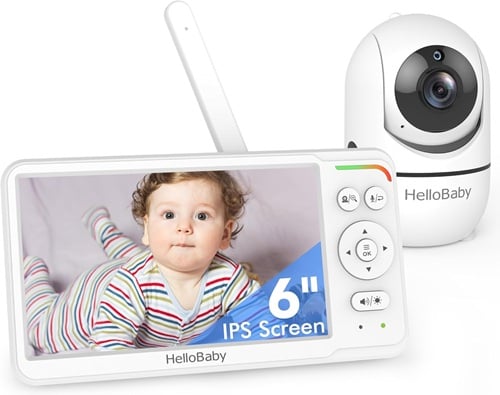
- Large Display: The standout feature is the screen size. It provides a clear, wide view of the room without needing to squint.
- Battery Life: It features a high-capacity rechargeable battery, making it truly portable within the home.
- Non-Wi-Fi Interference: Since it uses FHSS technology, it won't interfere with your home Wi-Fi and provides a secure, private connection that is nearly impossible to intercept from outside the home. This makes it a top contender when searching for the best cameras for elderly monitoring in high-density housing like apartments.
6. INFIYA 2K Security Camera Indoor (360 Degree View)
For full-room coverage, the INFIYA 2K camera offers a pan-tilt-zoom (PTZ) function that can rotate 360 degrees. This is vital for monitoring seniors who are still mobile and move between different areas of a large room.
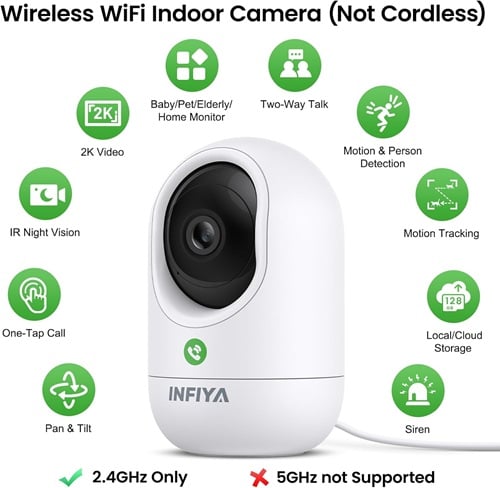
- One-Tap Call Feature: Similar to the NGTeco, it has a one-touch button for the senior to call the caregiver.
- Intelligent Tracking: The camera can be set to follow movement automatically. If the senior gets up from a chair, the camera follows them, ensuring they are always in the frame.
- 2K Resolution: The extra pixels provide clarity when checking for small details in the environment, such as a spilled liquid on the floor that could cause a slip.
Essential Features to Evaluate Before Purchase
When narrowing down your choice for the best cameras for elderly monitoring, you must prioritize features that match the senior's lifestyle. Not every high-tech feature is beneficial; some can actually cause confusion or anxiety for the user.
Connectivity: Wi-Fi vs. Local Link
Systems like the NGTeco and INFIYA rely on Wi-Fi and smartphone apps. These are excellent for caregivers who are often away from home (at work or running errands). However, if the caregiver lives in the same house, a local link system like the HelloBaby or Smart Caregiver is often more reliable because it does not depend on an internet connection to function.
Two-Way Communication Quality
The ability to speak and hear clearly is non-negotiable. Seniors often have hearing impairments, so the camera’s speaker must be loud and clear, not tinny or distorted. Look for cameras that mention "full-duplex" audio, which allows both parties to speak at the same time, much like a telephone call.
Ease of Use for the Senior
If the camera includes a "call" feature, the button must be large and easy to find. In a moment of distress, a senior will not be able to navigate a digital menu. Physical buttons, such as those found on the INFIYA and CallToU models, provide a tactile response that is crucial for emergency situations.
Privacy and Ethics in Elderly Observation
A significant aspect of choosing the best cameras for elderly monitoring is balancing safety with dignity. Constant surveillance can feel intrusive.
To maintain a healthy relationship, it is recommended to discuss the placement of cameras with the senior. Focus on "high-risk" areas like hallways, kitchens, and living rooms rather than private spaces like bathrooms, unless the risk of a fall is extremely high.
Many modern cameras now include "privacy modes" where the lens physically tilts into the housing. This visual cue tells the senior that they are not being watched, which can help them feel more comfortable in their own home. Using these features correctly ensures that the technology remains a tool for support rather than a source of stress.
Final Recommendations for Caregivers
In conclusion, the market offers a diverse range of solutions to meet different caregiving needs. If you require a system that works over long distances while you are at work, the INFIYA or NGTeco models provide the best smartphone integration and high-resolution feeds. For those who are providing care within the same residence and want a dedicated, secure screen, the HelloBaby and Smart Caregiver options are superior choices.
Ultimately, the best cameras for elderly monitoring are the ones that actually get used and stay powered on. Reliability and simplicity should always take precedence over experimental features.
See Also:
By selecting a device that facilitates clear communication and provides a sharp visual of the environment, you significantly improve the safety and quality of life for the elderly individual in your care. Always test the audio levels and motion alerts upon installation to ensure the system performs as expected in your specific home layout.


