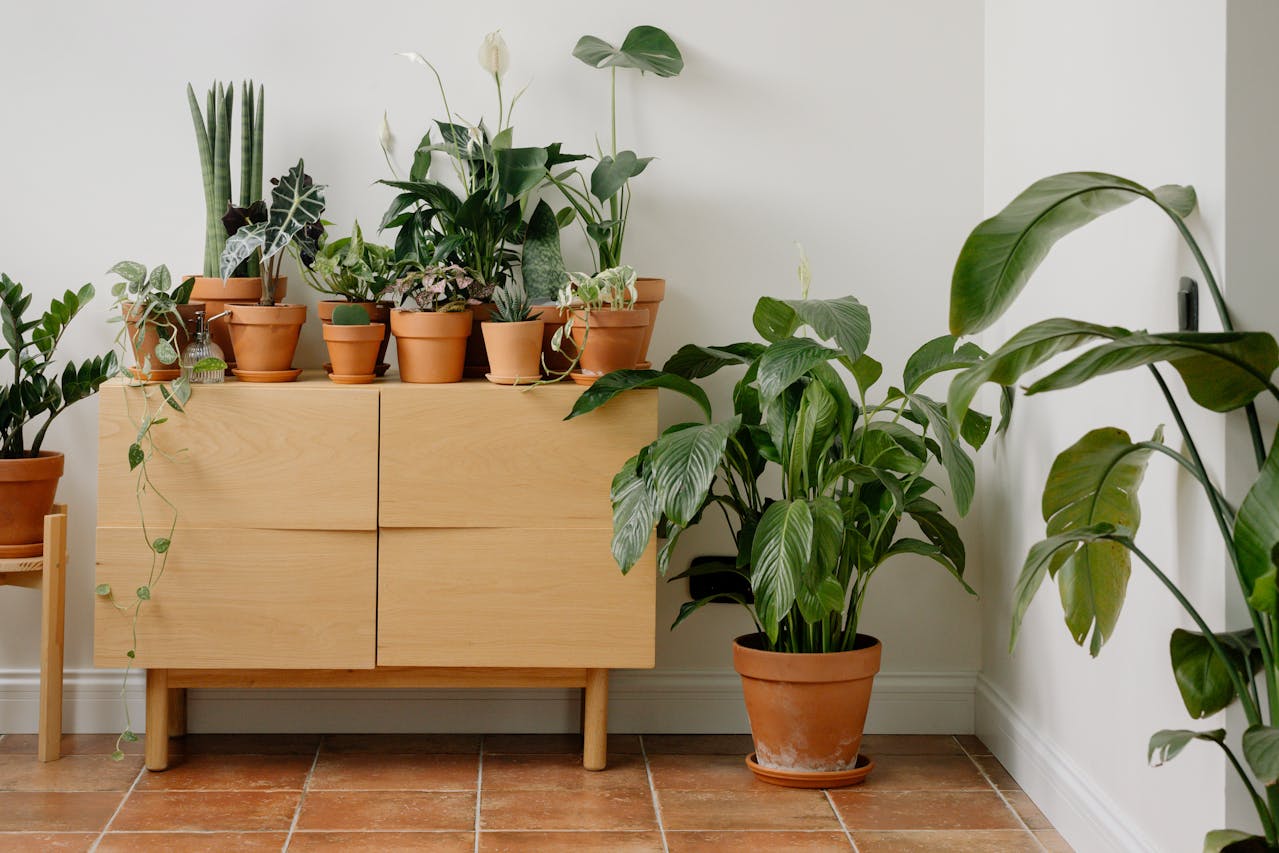

Indoor air quality significantly impacts overall health, longevity, and daily comfort. Modern indoor spaces often trap airborne toxins from household cleaners, paints, synthetic fabrics, and building materials. Integrating the best air purifying plants into your living space is a practical, low-effort strategy to filter out these common pollutants while creating a more serene environment.
Many popular houseplants require very little maintenance, making them excellent choices for busy individuals or retirees looking to enhance their home environment without demanding chores. This guide provides a detailed look at eleven highly effective plants that clean the air, along with specific care instructions to keep them thriving.
The Science of Cleaner Indoor Air
In the late 1980s, NASA conducted groundbreaking research on how plants interact with sealed indoor environments. Their findings revealed that certain plants do more than just absorb carbon dioxide and release oxygen. They actively absorb volatile organic compounds (VOCs) such as benzene, formaldehyde, trichlorethylene, xylene, and ammonia.
Microorganisms present in the soil of these potted plants also play a massive role in breaking down these toxic chemicals. By strategically placing the best air purifying plants throughout your home, you can establish a natural, continuous filtration system that works around the clock.
Best Air Purifying Plants for Home Environments
Selecting the right greenery for your living space allows you to target specific household toxins while matching your personal style and care preferences. Below is a detailed look at the eleven best air purifying plants that offer the highest filtration efficiency alongside straightforward maintenance routines.
1. Snake Plant (Sansevieria trifasciata)
The Snake Plant, also known as Mother-in-Law’s Tongue, is famously resilient and nearly impossible to kill. It features upright, sword-like leaves with striking variegated patterns.
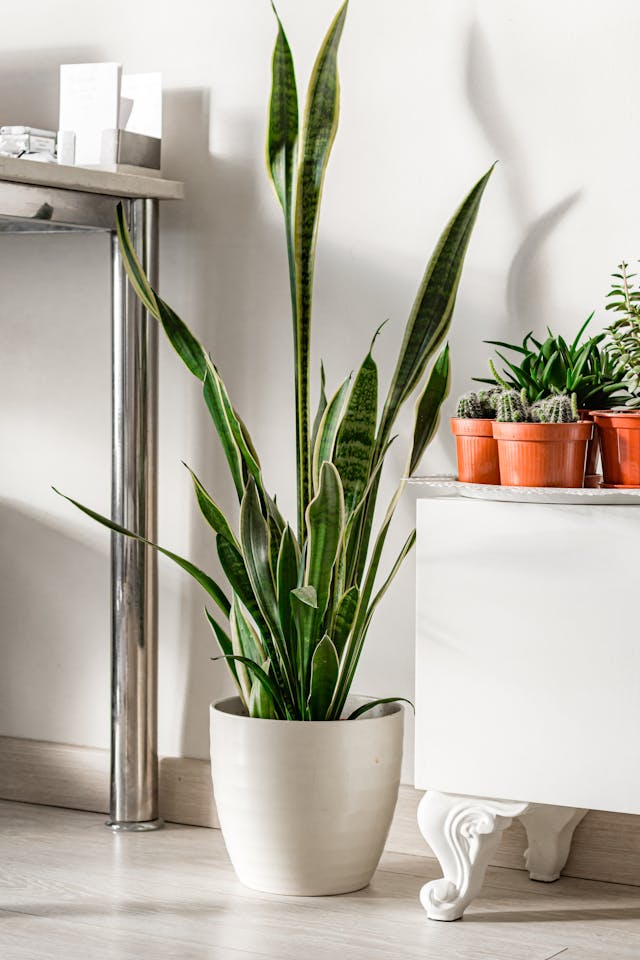
- Toxins Removed: Formaldehyde, xylene, toluene, and benzene.
- Unique Benefit: Unlike most plants that release carbon dioxide at night, the Snake Plant continues to produce oxygen in the dark, making it an excellent choice for bedrooms.
- Care Guide: Place it in indirect sunlight, though it tolerates low light remarkably well. Water it only when the soil is completely dry, usually every two to three weeks.
2. Spider Plant (Chlorophytum comosum)
Spider Plants are characterized by their long, narrow leaves that arch gracefully, often producing small "baby" plants that dangle from the main basket. They are non-toxic to pets, making them a safe choice for animal lovers.
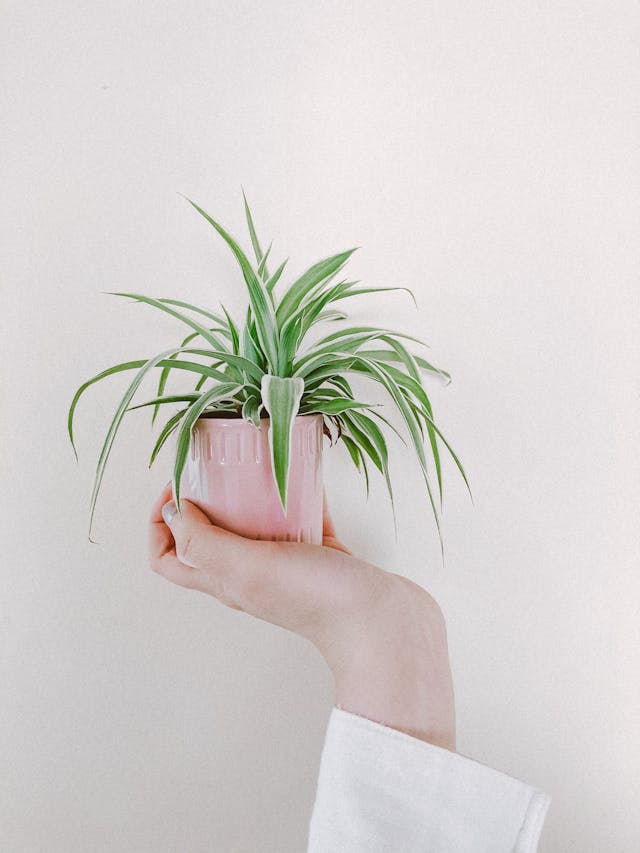
- Toxins Removed: Carbon monoxide, xylene, and formaldehyde.
- Unique Benefit: They are highly efficient at removing mold particles and allergens from the air within a relatively short period.
- Care Guide: They prefer bright, indirect sunlight and regular watering. Allow the top inch of soil to dry out before watering again.
3. Peace Lily (Spathiphyllum)
The Peace Lily is an elegant addition to any room, boasting glossy dark green leaves and beautiful white blooms. It is one of the top performers in air purification studies.
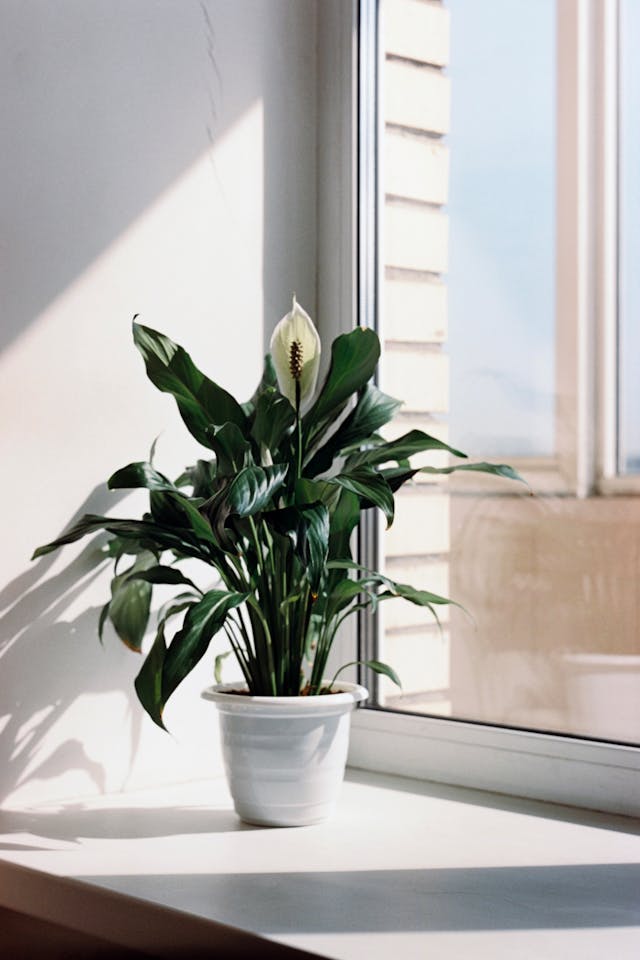
- Toxins Removed: Ammonia, benzene, formaldehyde, and trichlorethylene.
- Unique Benefit: It increases room humidity, which can help alleviate dry skin and respiratory issues during winter months.
- Care Guide: It thrives in low to medium indirect light. The Peace Lily will noticeably droop when it needs water, making it easy to know exactly when to tend to it.
4. Aloe Vera (Aloe barbadensis miller)
Aloe Vera is widely celebrated for the healing gel inside its fleshy leaves, but it is also one of the best air purifying plants for monitoring your indoor environment.
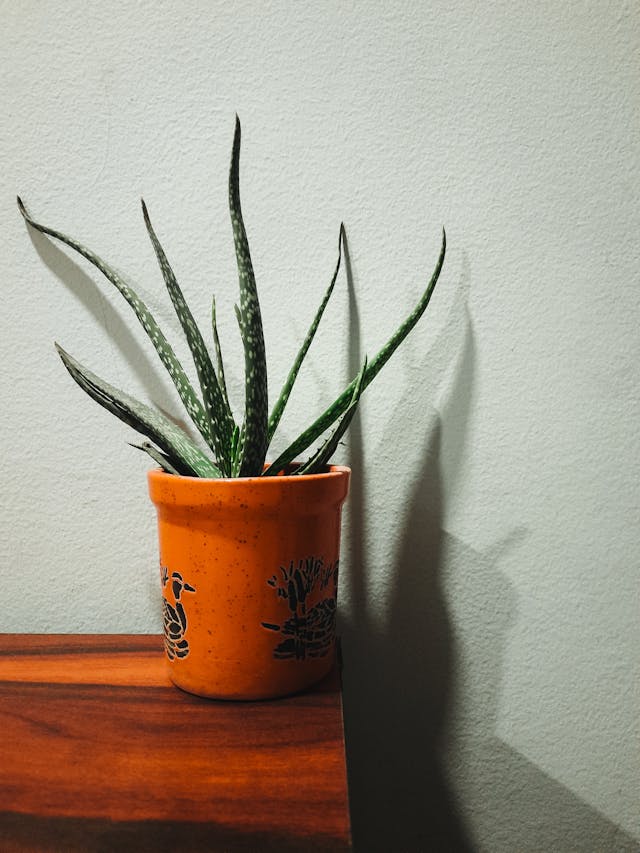
- Toxins Removed: Formaldehyde and benzene.
- Unique Benefit: The leaves will develop brown spots if the amount of harmful chemicals in the air becomes excessively high, serving as a natural air quality monitor.
- Care Guide: This succulent loves bright, sunny spots. It requires excellent drainage and minimal watering, as excess moisture causes root rot.
5. English Ivy (Hedera helix)
English Ivy is a versatile climbing vine that looks beautiful cascading from a hanging basket or trailing along a shelf.
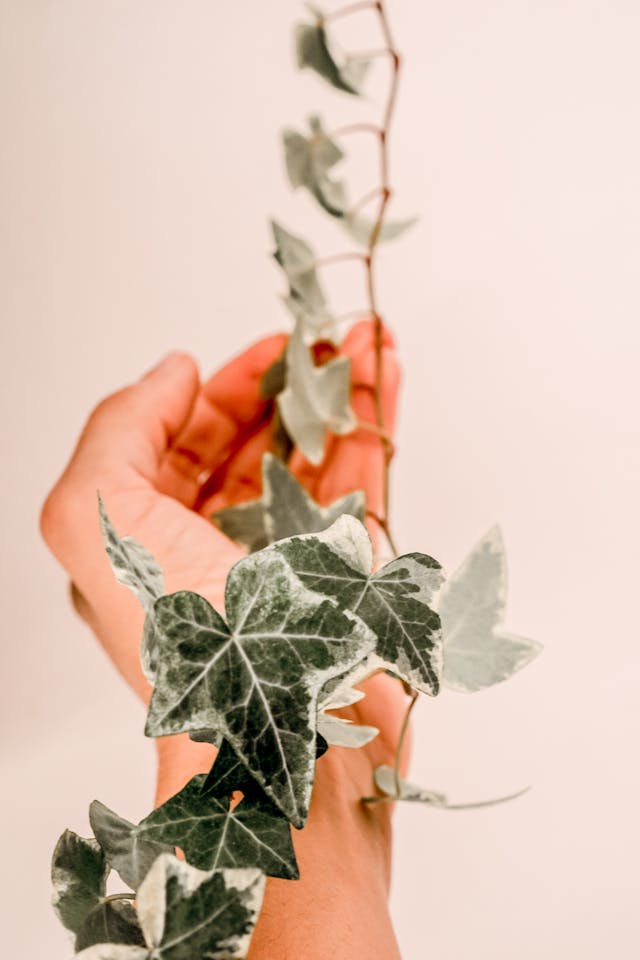
- Toxins Removed: Benzene, formaldehyde, xylene, and toluene.
- Unique Benefit: Research indicates that English Ivy significantly reduces airborne mold particles and fecal matter particles, which is highly beneficial for allergy sufferers.
- Care Guide: It prefers generous amounts of indirect light and moist, well-drained soil. Regular misting helps keep pests away.
6. Golden Pothos (Epipremnum aureum)
Often recommended for beginners, the Golden Pothos features heart-shaped leaves with yellow or white variegation. It grows quickly and tolerates significant neglect.
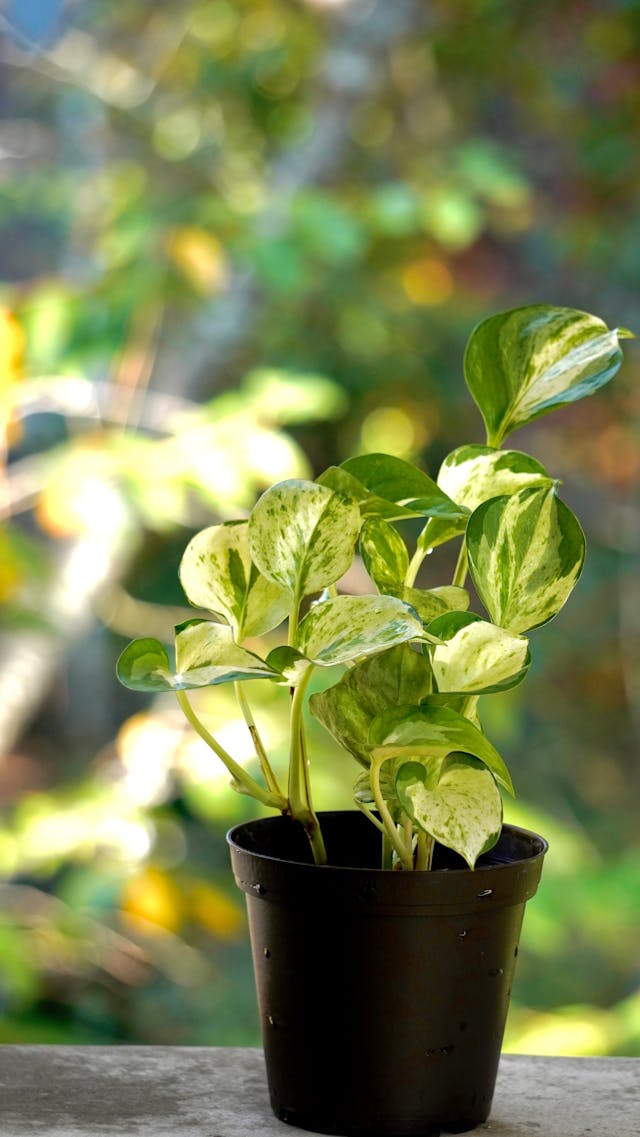
- Toxins Removed: Formaldehyde, xylene, toluene, and benzene.
- Unique Benefit: It remains vibrant and effective at purifying air even when placed in dark corners or rooms with only fluorescent lighting.
- Care Guide: Water the plant when the soil feels dry to the touch. Prune the vines occasionally to keep the plant full and bushy.
7. Boston Fern (Nephrolepis exalta)
Boston Ferns offer a lush, feathery texture with long fronds that can transform the aesthetic of a living room or bathroom.
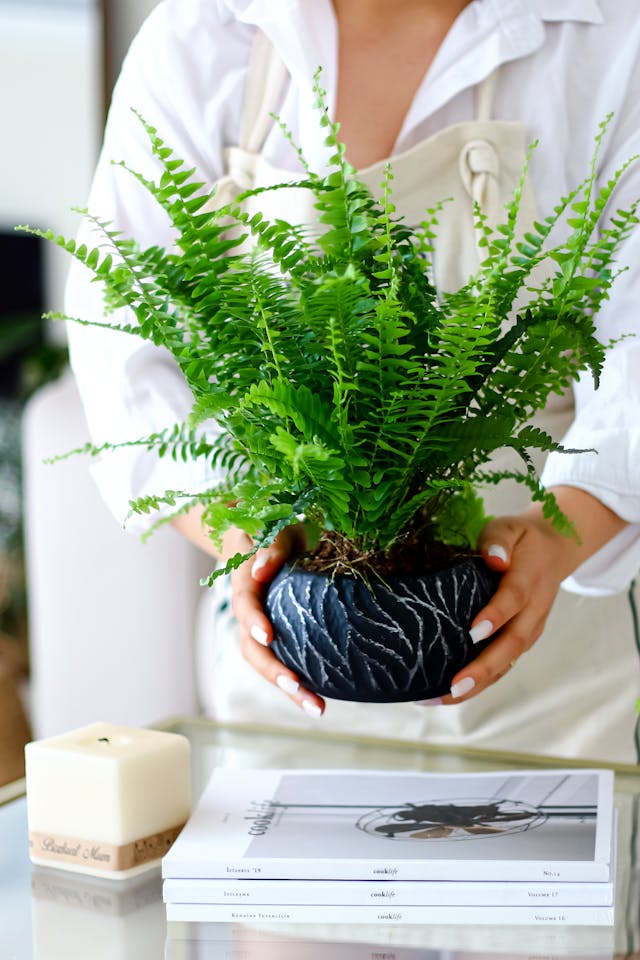
- Toxins Removed: Formaldehyde, xylene, and toluene.
- Unique Benefit: It acts as a natural humidifier, restoring moisture to indoor air that has been dried out by heating or air conditioning systems.
- Care Guide: They thrive in high humidity and indirect light. Keep the soil consistently moist but never waterlogged, and mist the leaves frequently.
8. Dracaena (Dracaena spp.)
Dracaena is a broad category of houseplants that feature long, strap-like leaves often marked with red, yellow, or cream stripes. They can grow several feet tall, serving as excellent floor accents.
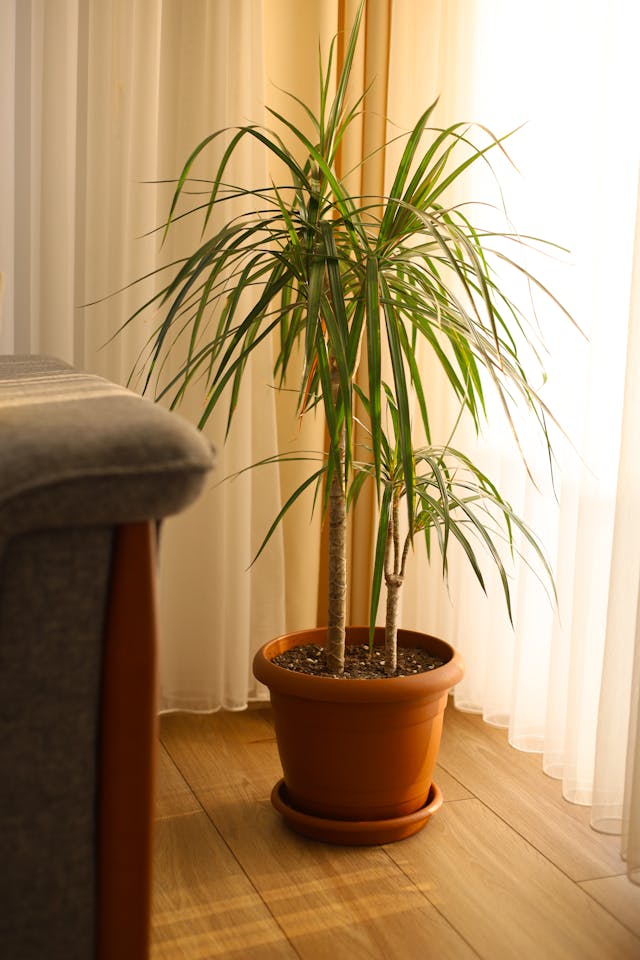
- Toxins Removed: Trichlorethylene, formaldehyde, benzene, and xylene.
- Unique Benefit: They are exceptionally good at trapping dust particles on their broad leaf surfaces.
- Care Guide: Keep them in bright, indirect light. Wipe the leaves with a damp cloth periodically to keep the pores clear for optimal air filtration.
9. Broadleaf Lady Palm (Rhapis excelsa)
The Lady Palm is a slow-growing palm variety that features fan-like fronds. It adds a touch of classic elegance to interiors and adapts well to indoor conditions.
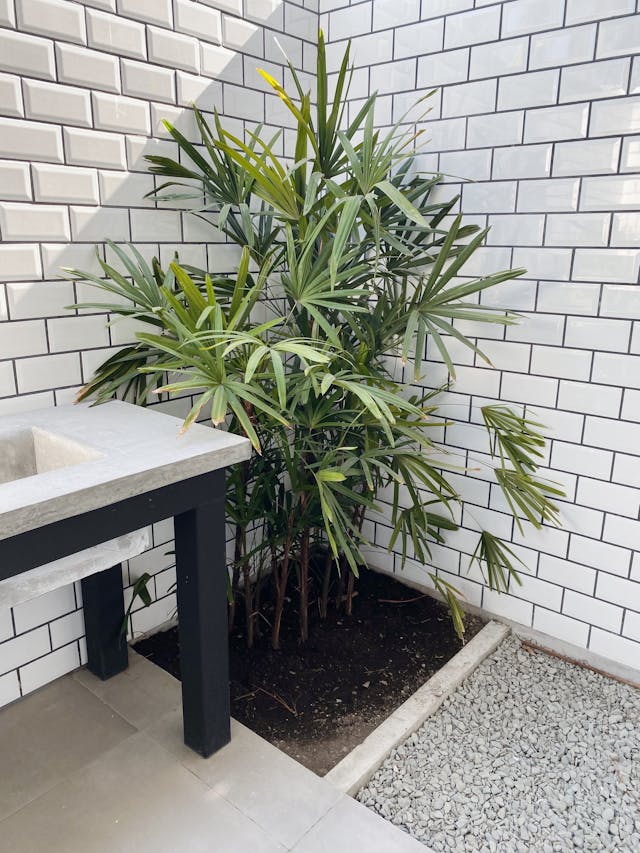
- Toxins Removed: Ammonia, formaldehyde, xylene, and toluene.
- Unique Benefit: It specifically targets ammonia, a chemical frequently found in standard household cleaners, dyes, and textiles.
- Care Guide: It prefers indirect light and is highly resistant to typical plant pests. Water thoroughly when the top surface of the soil dries out.
10. Chrysanthemum (Chrysanthemum morifolium)
While often treated as temporary seasonal decorations, potted florist chrysanthemums are heavy hitters when it comes to scrubbing toxins from the air.
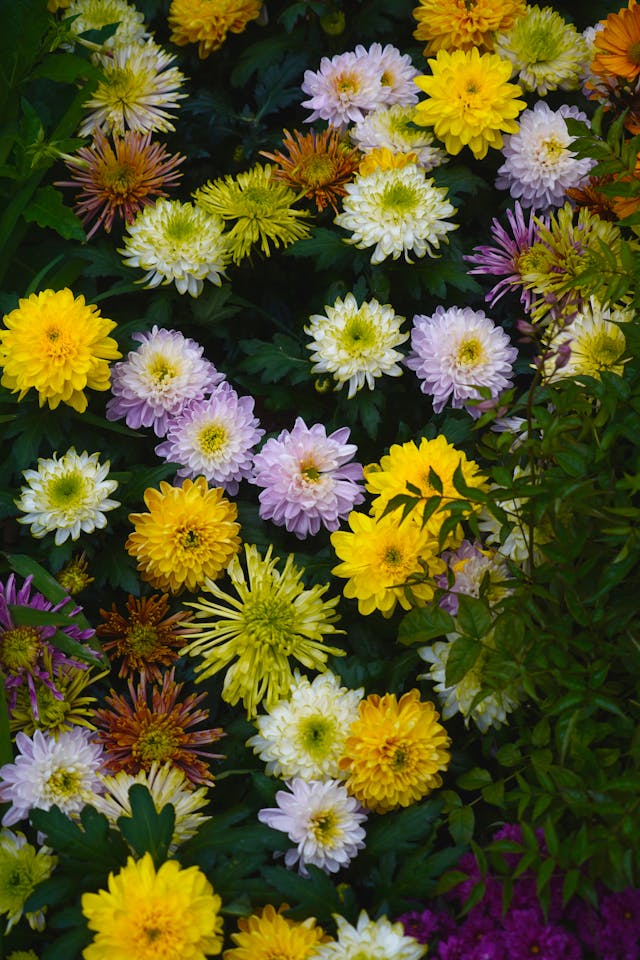
- Toxins Removed: Ammonia, benzene, formaldehyde, and xylene.
- Unique Benefit: It ranks at the very top of NASA's list for removing the widest variety of indoor air pollutants.
- Care Guide: They need bright, direct sunlight to bloom. Keep the soil evenly moist, and remove dead flowers promptly to prolong the blooming period.
11. Rubber Plant (Ficus elastica)
The Rubber Plant features large, thick, leathery leaves with a deep green or burgundy hue. Its substantial leaf surface area makes it highly efficient at absorbing gases.
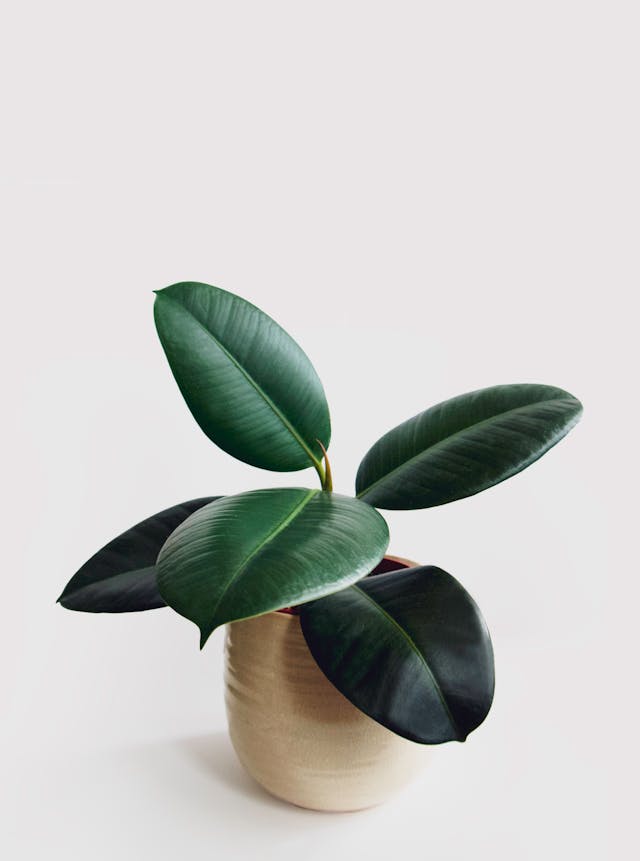
- Toxins Removed: Formaldehyde, xylene, and carbon monoxide.
- Unique Benefit: The large leaves absorb airborne contaminants and drop them into the soil, where microbes convert them into plant nutrients.
- Care Guide: Place in bright, indirect light. Allow the soil to dry out moderately between waterings, and prune the top to control its height.
Practical Placement and Care Strategies
To maximize the health benefits of the best air purifying plants, placement matters just as much as plant selection. NASA guidelines suggest using one potent air-purifying plant for every 100 square feet of indoor space to achieve noticeable filtration results.
| Plant Name | Light Requirement | Watering Frequency | Pet Safety |
|---|---|---|---|
| Snake Plant | Low to Bright, Indirect | Every 2-3 weeks | Toxic to pets |
| Spider Plant | Bright, Indirect | Weekly | Safe for pets |
| Peace Lily | Low to Medium | When drooping | Toxic to pets |
| Aloe Vera | Bright, Direct | Every 3 weeks | Toxic to pets |
| English Ivy | Medium to Bright | Weekly | Toxic to pets |
| Golden Pothos | Low to Bright | Every 1-2 weeks | Toxic to pets |
| Boston Fern | Medium, Indirect | Frequently (Keep moist) | Safe for pets |
| Dracaena | Bright, Indirect | Every 1-2 weeks | Toxic to pets |
| Lady Palm | Indirect | Weekly | Safe for pets |
| Chrysanthemum | Bright, Direct | Frequently | Toxic to pets |
| Rubber Plant | Bright, Indirect | Every 1-2 weeks | Toxic to pets |
When arranging these plants, position low-maintenance varieties like the Snake Plant or Peace Lily in bedrooms to improve nighttime oxygen levels. Keep larger floor plants like the Dracaena or Rubber Plant in high-traffic living areas where synthetic carpets and furniture may release VOCs. Ensure that toxic varieties are placed on high shelves or stands if pets or grandchildren visit regularly.
Maintaining Your Natural Air Filters
Houseplants cannot clean the air effectively if their leaves are coated in dust. Regularly wiping the leaves with a damp micro-fiber cloth ensures that the plant's stomata, or pores, remain open to absorb gases. Avoid using commercial leaf-shine products, as these can clog the pores and decrease the plant's filtration efficiency.
See Also:
Adequate drainage is also critical. Always choose pots with drainage holes to prevent standing water, which leads to root rot and unwanted mold growth in the soil. By following these basic care routines, these functional additions will continue to maintain a clean, breathable atmosphere throughout the home for years to come.


