

Identifying the best vacations for seniors with limited mobility requires a shift in focus from standard sightseeing to rigorous logistical verification.
Travel remains entirely feasible for individuals using walkers, wheelchairs, or those with decreased stamina, provided the destination possesses the necessary infrastructure.
The following analysis identifies specific destinations and transport logistics designed to maximize accessibility while maintaining a high standard of travel.
Navigating the Disparity Between Accessibility Standards and Real-World Travel
The primary challenge in planning a trip is the inconsistency of accessibility standards across different countries and industries. While many modern hotels claim to be accessible, the reality often includes narrow bathroom doors, high thresholds, or carpets that impede the movement of a wheelchair or walker.
This disparity forces travelers to look beyond marketing materials and investigate the specific architectural layouts of their chosen destinations.
In many European cities, historical preservation laws frequently prevent the installation of elevators or ramps in older buildings. A hotel located in a medieval district may be charming, but it often presents insurmountable obstacles such as cobblestone streets and steep, narrow staircases.
Consequently, the focus must remain on modern infrastructure or cities that have undergone significant urban renewal projects aimed at universal design. Failure to account for these physical barriers can lead to significant physical strain and a reduction in the overall utility of the vacation.
Primary Destinations for the Best Vacations for Seniors with Limited Mobility
When evaluating potential locations, certain categories of travel consistently outperform others in terms of ease and comfort. The following sections detail the most reliable options for travelers who require a higher level of environmental support.
1. European River Cruises: Scenic Travel Without the Walking
River cruising is one of the most efficient ways to see multiple destinations without the physical toll of traditional land-based tours. Unlike large ocean liners, river ships are smaller and more intimate, which reduces the distance a traveler must walk between their cabin and the dining area.

Modern river cruise lines, such as Viking or AmaWaterways, have designed their newer vessels with elevators that reach almost every deck. When the ship docks, it often does so in the heart of the city, allowing passengers to view historical landmarks directly from the sun deck or their private balcony.
See Also: Best Cruises for Seniors
It is important to note that while the ships are accessible, some shore excursions in older towns involve uneven terrain. Travelers should specifically request tours designated as "gentle" or "accessible," which utilize motorcoaches with lifts and avoid long walking segments.
2. All-Inclusive Resorts in the Caribbean and Mexico
For those seeking a stationary vacation, all-inclusive resorts in regions like Cancun, Punta Cana, or Jamaica offer high levels of accessibility. These resorts are typically built on flat coastal land, featuring paved walkways and ramps that connect rooms, restaurants, and beach areas.

Many high-end resorts now provide "beach wheelchairs" with oversized tires designed to navigate sand, ensuring that the shoreline is not off-limits. When booking, seniors should confirm the availability of ADA-compliant rooms that include roll-in showers, grab bars, and lowered sinks.
See Also: The Best Beach Retirement Places for a Serene Future
The advantage of this vacation type is the centralization of all services; medical assistance is usually available on-site, and the need for external transportation is minimized.
3. Accessible Urban Hubs: Singapore and Barcelona
If an urban environment is preferred, certain cities stand out for their commitment to universal design. Singapore is widely regarded as one of the most accessible cities in the world.

Its Mass Rapid Transit (MRT) system is fully step-free, and almost all public sidewalks are ramped and maintained to a high standard. Major attractions like Gardens by the Bay were built with accessibility as a foundational requirement, featuring wide paths and elevators at every level.
Barcelona is another exceptional choice within Europe. Following the 1992 Olympics, the city underwent a massive transformation to improve accessibility.
Today, approximately 80 percent of its metro stations are equipped with elevators, and the famous Las Ramblas is a wide, flat promenade that is easy to navigate. Furthermore, the city’s public bus system is 100 percent accessible, featuring ramps that deploy at every stop.
Essential Logistics: Transporting and Renting Medical Equipment
Planning the best vacations for seniors with limited mobility involves more than just picking a location; it requires managing the equipment that makes the trip possible. Travelers should not feel restricted to the devices they use at home. Portable versions of medical equipment can significantly increase travel range.
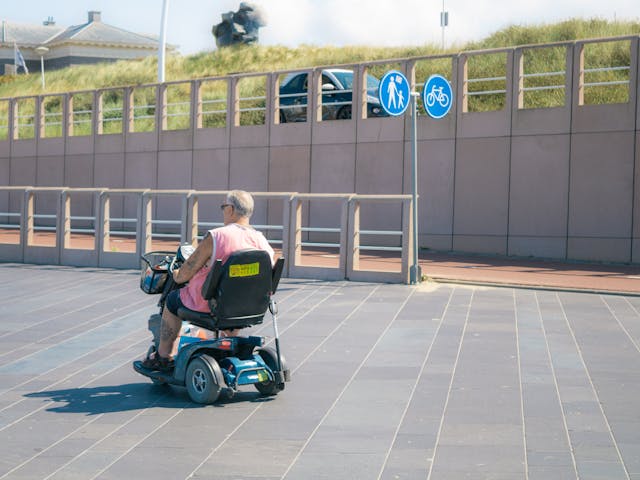
For instance, lightweight folding power wheelchairs and mobility scooters have become increasingly sophisticated. Many models are approved for airline travel and can be folded into the size of a suitcase. If transporting your own equipment is too cumbersome, most major tourist destinations have specialized rental companies.
Organizations like ScootAround or Special Needs at Sea can deliver mobility scooters, oxygen concentrators, or hospital beds directly to a hotel room or cruise ship cabin. Arranging these rentals at least 30 days in advance is a practical necessity to ensure availability during peak travel seasons.
Air Travel Protocols for Travelers Using Wheelchairs
The flight is often the most stressful part of the journey, but federal laws in many regions, such as the Air Carrier Access Act in the United States, provide specific protections. Airlines are required to provide assistance for boarding, deplaning, and making connections.
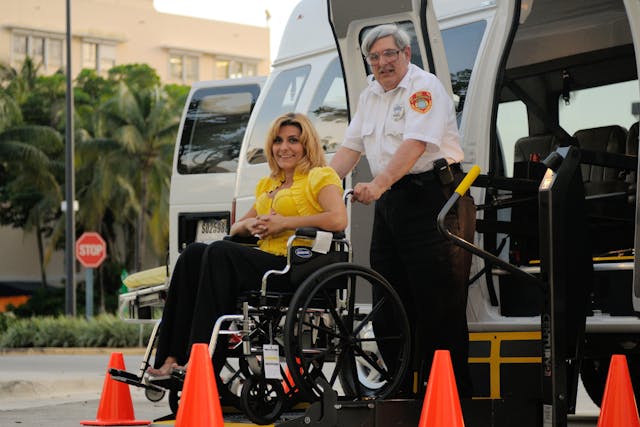
When booking a flight, it is essential to use the "Special Assistance" codes provided in the reservation system. For example, a "WCHR" code indicates you can climb stairs but need a wheelchair for long distances, while "WCHC" indicates you are completely immobile and require a specialized aisle chair to reach your seat.
Arriving at the airport at least three hours early allows the ground crew enough time to properly tag and stow mobility devices in the cargo hold. Always remove joysticks, cushions, and any loose parts from a wheelchair before it is loaded to prevent damage during transit.
Practical Considerations for Domestic Travel: National Parks
Domestic travel within the United States offers excellent opportunities through the National Park Service. Under the Architectural Barriers Act, parks are required to provide accessible facilities. Many parks now offer boardwalks and paved trails that allow seniors with limited mobility to reach famous vistas.

At Yellowstone National Park, many of the geyser basins feature extensive boardwalk systems that are completely flat and wide enough for two wheelchairs to pass. Similarly, the South Rim of the Grand Canyon has a paved "Rim Trail" that provides spectacular views without requiring strenuous hiking.
Seniors can also apply for the "Access Pass," a free, lifetime entry pass for U.S. citizens or permanent residents with permanent disabilities, which provides significant discounts on expanded amenity fees like camping or guided tours.
Health and Safety Measures During Transit
Maintaining health while traveling requires a proactive approach to medication and hydration. Seniors should carry a list of their medications, including generic names and dosages, in case a replacement is needed. All prescriptions should be kept in carry-on luggage rather than checked bags to avoid loss.

Deep Vein Thrombosis (DVT) is a particular concern for those with limited mobility during long flights or train rides. Using medical-grade compression stockings and performing seated leg exercises can mitigate this risk.
It is also advisable to purchase travel insurance that specifically includes "emergency medical evacuation" coverage. Standard health insurance often does not cover the high costs of being transported back home in a medical emergency from a foreign country or a cruise ship.
Conclusion
Selecting the best vacations for seniors with limited mobility is a process of matching physical capabilities with the right environmental infrastructure. By prioritizing destinations with modern urban planning, such as Singapore, or opting for the controlled environment of a river cruise, seniors can continue to explore the world with minimal friction.
The key to a successful trip lies in detailed advanced planning and the use of specialized rental services to bridge the gap between home and the destination. When logistics are handled with technical precision, the focus can remain on the experience rather than the obstacles.
Modern travel has evolved to accommodate various levels of mobility, making it possible for every senior to find a vacation that is both comfortable and enriching.


