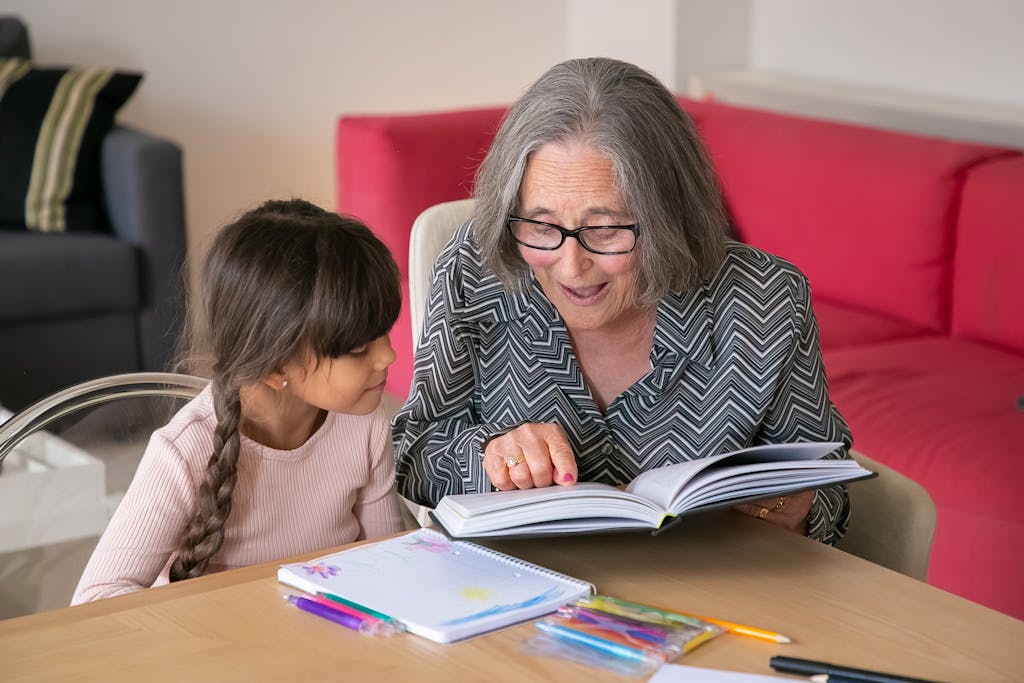

Grandma names in different languages are more than just words. They carry warmth, family history, culture, and often a little humor too.
Whether you are a grandmother yourself, about to become one, or simply curious about how families around the world lovingly address their elders, this topic is endlessly charming. One simple title can mean “cookie-baker,” “wise storyteller,” or “spoiler-in-chief,” depending on where you are.
We will explore some of the most popular and interesting grandma names from different cultures and help you choose a favorite. Think of this as a friendly passport to global grandmotherhood.
Grandma Names in Different Languages Explained
Below are some of the most searched and well-loved grandmother names from various languages. These are commonly used, easy to pronounce, and rich in meaning.
Spanish
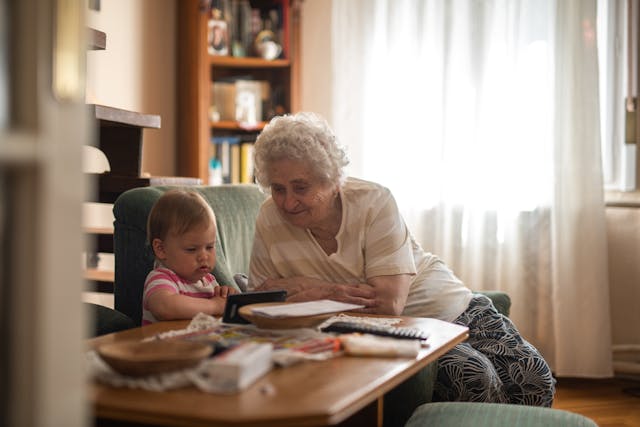
When people search for grandma in Spanish, they usually come across two warm and familiar words that are used across Spain and Latin America.
- Abuela: The standard and respectful term for grandmother.
- Abuelita: A more affectionate version, often used by grandchildren.
“Abuelita” feels especially cozy and loving, making it one of the most emotionally rich grandma names in different languages.
Italian
If you are curious about grandma in Italian, you will quickly notice how central grandmothers are in Italian family life.
- Nonna: The most common and beloved word for grandmother.
- Nonna + first name: Often used to distinguish between grandmothers.
Calling someone “Nonna” usually implies warmth, authority in the kitchen, and deep family respect.
French
The phrase grandma in French can sound elegant or playful, depending on the word chosen.
- Grand-mère: The formal term for grandmother.
- Mamie or Mémé: Informal and affectionate alternatives.
Many French families prefer “Mamie” because it feels personal and easy for young grandchildren to say.
German
People looking up grandma in German will find a term that is short, sweet, and widely loved.
- Oma: The most common and casual word for grandmother.
- Grossmutter: A formal term, mainly used in writing.
“Oma” is popular because it is simple, affectionate, and easy for children to pronounce.
Portuguese
Searches for grandma in Portuguese often lead to warm and expressive options.
- Avó: The standard word for grandmother.
- Vovó: A loving and informal version, especially common in Brazil.
“Vovó” feels playful and nurturing, making it a favorite in everyday family conversations.
Dutch
If you are exploring grandma in Dutch, you will notice how similar it is to German usage.
- Oma: The most widely used term for grandmother.
- Oma + name: Often added for clarity within families.
Dutch grandma names tend to be practical, affectionate, and easy to remember.
Chinese (Mandarin)
Many people wonder how to say grandma in Chinese, and the answer depends on family lineage.
- Nai Nai: Paternal grandmother.
- Wai Po: Maternal grandmother.
This distinction highlights how family structure influences grandma names in different languages.
Japanese
Those searching for grandma in Japanese will encounter a balance of respect and affection.
- Obaasan: The standard spoken term for grandmother.
- Sobo: A more formal or written version.
Within families, “Obaasan” is often softened into nicknames that feel more personal.
Irish (Gaelic)
The phrase grandma in Irish introduces beautiful words rooted in tradition.
- Seanmháthair: The formal Irish term for grandmother.
- Mhamó or Maimeó: Casual and affectionate alternatives.
These softer versions are often preferred in daily family life.
Polish
When people search for grandma in Polish, one word appears again and again.
- Babcia: The most common and affectionate term.
- Babunia: A sweeter, more playful variation.
“Babcia” is strongly associated with warmth, care, and home traditions.
Korean
Interest in grandma in Korean reflects the cultural importance of elders.
- Halmeoni: The standard word for grandmother.
- Halmoni: A simplified spelling often used in English contexts.
The term carries both respect and emotional closeness.
Jewish (Yiddish and Hebrew)
A popular Jewish grandma name often carries deep emotional meaning.
- Bubbe: A Yiddish term filled with warmth and nostalgia.
- Savta: The modern Hebrew word for grandmother.
“Bubbe” is especially loved for its soft, comforting sound.
Greek
Those researching grandma in Greek will find cheerful and expressive options.
- Yiayia or Yaya: The most common Greek term for grandmother.
- Giagia: A phonetic variation sometimes used in English.
The repetition makes these names playful and easy for children.
Swedish
If you look up grandma in Swedish, you will notice a practical family distinction.
- Mormor: Maternal grandmother.
- Farmor: Paternal grandmother.
These clear labels help children identify each grandmother easily.
African (Various Languages)
Searches for African names for grandma reflect the continent’s linguistic diversity.
- Gogo: Common in parts of Southern Africa.
- Mama or Ma: Used respectfully in many regions.
These names often emphasize wisdom, respect, and leadership within the family.
Indian (Various Languages)
Interest in Indian names for grandma highlights India’s cultural and linguistic richness.
- Nani: Maternal grandmother in Hindi.
- Dadi: Paternal grandmother in Hindi.
- Ajji: Used in several South Indian languages.
Indian grandma names are closely tied to family structure and tradition.
Cute and Modern Grandma Name Trends
Not all grandmothers want traditional names. In recent years, many have chosen modern or playful alternatives inspired by global languages.
Some popular trends include:
- Short names like Oma, Nonna, or Mimi
- Mixing languages, such as a non-Spanish grandma choosing “Abuela” because it sounds fun
- Personalized nicknames created by grandchildren
This is where grandma names in different languages become a source of creativity rather than strict tradition.
Fun Facts About Grandma Names
- Some languages use the same word for grandma and older women in general, depending on context.
- In bilingual families, kids often mix grandma names, creating adorable hybrids.
- Many grandmothers around the world proudly choose their own names.
Exploring grandma names in different languages often leads to laughter, nostalgia, and unexpected favorites.
Final Thoughts on Grandma Names in Different Languages
Grandmothers hold a special place in every culture, and the names we use for them reflect that love. From “Nonna” to “Abuelita” to “Oma,” each word tells a story of family, tradition, and affection.
See Also:
Whether you are searching for inspiration, writing about family history, or simply enjoying the sound of these names, learning about grandma names in different languages is a joyful experience. It reminds us that no matter where we come from, grandmas everywhere share one universal role: loving their families with all their hearts.


