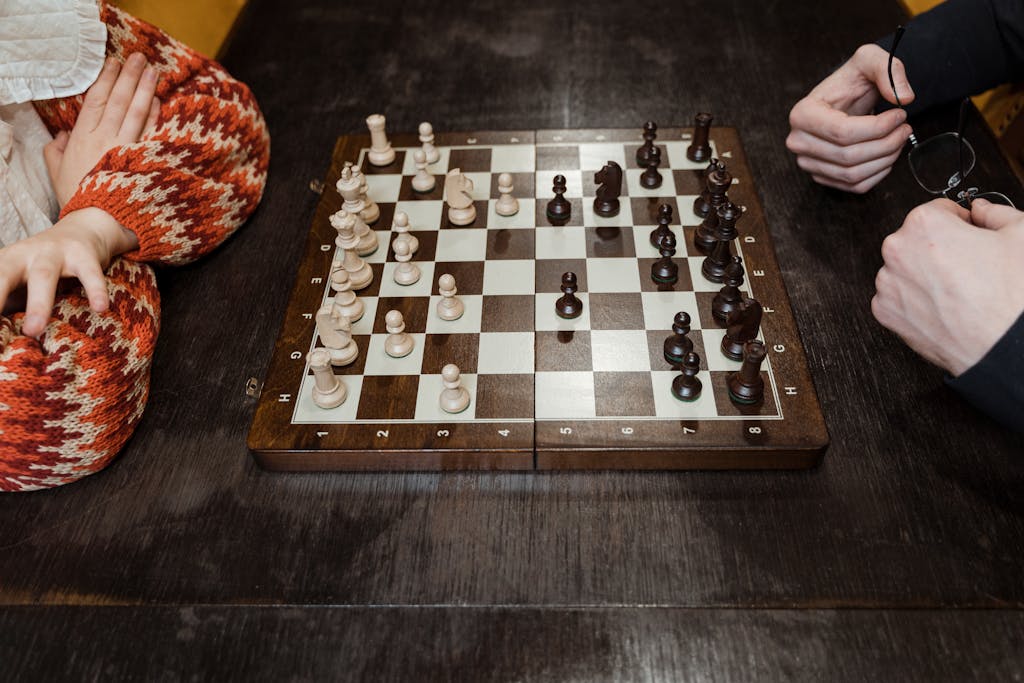

There are many board games for seniors that do much more than just pass the time. They serve as vital tools for maintaining mental agility, fostering deep social connections, and bringing a sense of joyful accomplishment to everyday life.
While many people view tabletop gaming as a simple pastime for children, these activities actually provide profound neurological benefits for older adults by stimulating memory and strategic thinking.
Choosing the Right Board Games
Not every game is suitable for every individual. When selecting board games for seniors, it is important to consider physical comfort, visual clarity, and the complexity of the rules. The goal is to provide a challenge that is satisfying rather than frustrating.
Consider Physical Accessibility
Games with very small pieces or cards that are difficult to hold can be discouraging. Look for "Large Print" editions of classic games or versions that feature chunky, easy to grip pieces.
Card holders can also be a great accessory to help those who find it difficult to fanned out a hand of cards for long periods.
Complexity and Play Time
While many seniors enjoy deep strategy, others may prefer games that are easy to pick up and put down. Consider the "cognitive load" of the game.
If a game has a rulebook the size of a novel, it might be less enjoyable for a casual afternoon. Aim for games that have a clear objective and a playing time of thirty to sixty minutes to prevent fatigue.
Top Recommendations for Board Games for Seniors
There are countless options available today, ranging from timeless classics to modern masterpieces. Here are some categories and specific titles that consistently rank high for older players.
Classic Strategy Games
These timeless favorites are excellent board games for seniors because they challenge the brain to recognize patterns and stay several steps ahead of an opponent.
1. Chess and Checkers
Chess is often referred to as "the gymnasium of the mind." For seniors, it provides a rigorous workout for executive functions, requiring players to anticipate several moves ahead and recognize complex patterns.
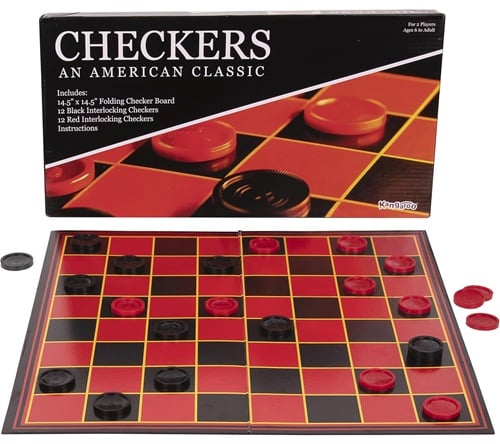
Kangaroo - Multiplayers Strategy Checker Board Game
Checkers, while simpler in its rules, remains an excellent tool for spatial awareness and tactical positioning. To make these more accessible, look for "weighted" pieces that are easier to handle and boards with high-contrast colors to help with visual clarity.
2. Backgammon
This ancient game offers a perfect blend of luck and logic. The rolling of the dice introduces an element of chance that keeps the game exciting, while the movement of the checkers requires calculated risk management.
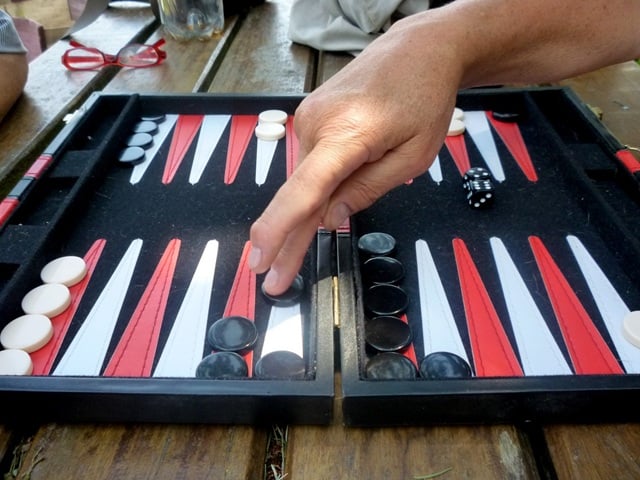
It is a fantastic way for seniors to practice basic arithmetic and probability in a social setting. The tactile nature of moving the stones across the "points" on the board is also great for maintaining hand dexterity.
3. Dominoes
Dominoes are a staple in senior centers for a reason. The tiles are thick, sturdy, and easy to grasp, making them ideal for those with arthritis.
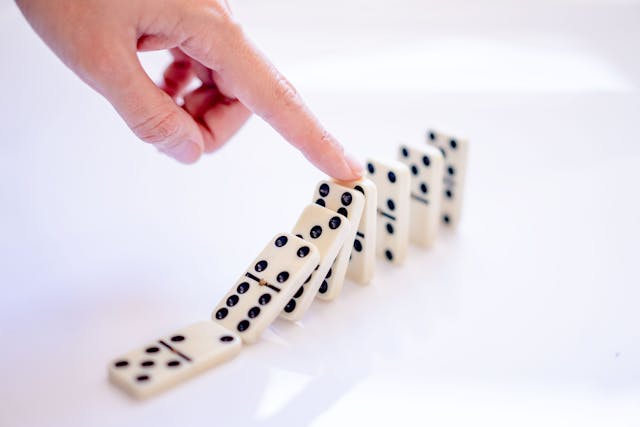
Beyond the physical ease, the game focuses on matching patterns and counting, which helps keep the numerical centers of the brain active. Whether playing "Straight Dominoes" or "Mexican Train," the rhythmic clicking of the tiles provides a soothing, sensory experience.
Word and Number Puzzles
Focusing on linguistic recall and numerical logic, these board games for seniors provide a satisfying mental workout while expanding vocabulary and math skills.
1. Scrabble
As one of the most beloved board games for seniors, Scrabble serves as a powerful tool for linguistic maintenance. It encourages players to dig deep into their long-term memory to retrieve vocabulary and provides a satisfying sense of accomplishment when landing a word on a "Triple Word Score" tile.
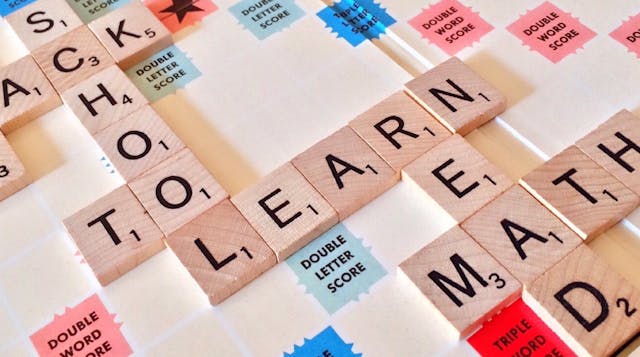
Using a "Rotatable" or "Luxury Edition" with a raised grid can prevent the tiles from sliding, which is a common frustration for players with tremors.
2. Rummikub
Rummikub combines the mechanics of the card game Rummy with the tile-based play of Mahjong. It challenges the brain to reorganize existing sets of numbers on the table to create new ones.
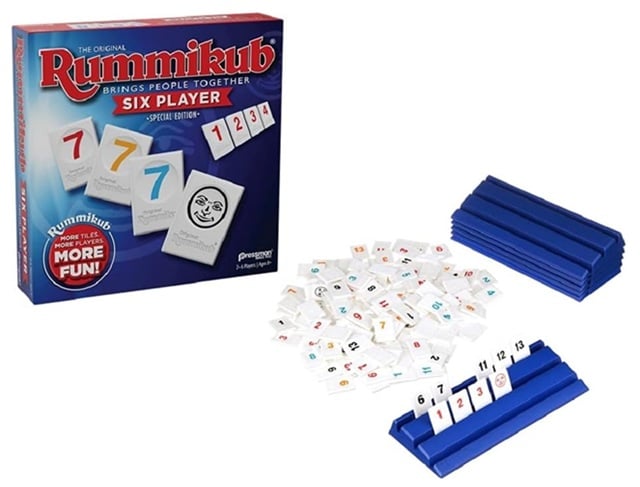
Rummikub Six Player Edition - by Pressman
This constant shifting of patterns requires "cognitive flexibility", the ability to see a problem from multiple angles. The bright, bold numbers on the tiles are generally easy to read, making it a very inclusive choice for a family game night.
3. Ticket to Ride
This modern masterpiece is exceptionally visual. Players collect colorful train cards to claim railway routes across a map. It rewards long-term planning and spatial reasoning as players visualize how to connect distant cities.
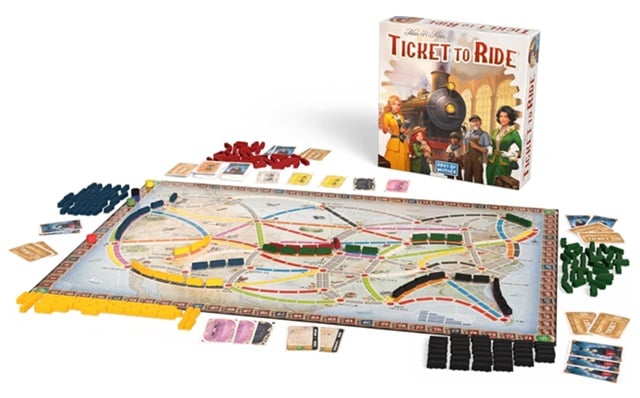
Asmodee Ticket to Ride Board Game
Because the goals are kept secret until the end, it maintains a sense of mystery and excitement throughout the play session without the high-stress "cutthroat" nature of some older strategy games.
Cooperative Games
By emphasizing teamwork over rivalry, these board games for seniors foster deep social bonds as players work together to achieve a shared objective.
1. Pandemic (Simplified Versions)
In "Pandemic: Hot Zone" or similar scaled-down versions, players take on roles like a Medic or Scientist to stop a global outbreak. The beauty of this game for seniors is that it removes the "me versus you" dynamic.
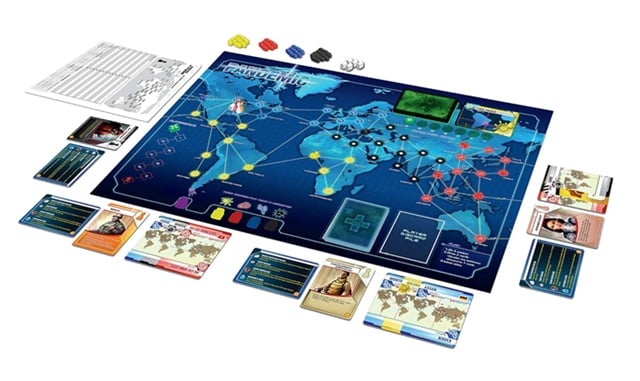
Asmodee Pandemic on the Brink Board Game
Instead, players discuss their moves together, fostering deep social bonding and collective problem-solving. It is a great way to reduce the anxiety of losing, as everyone wins or loses as a team.
2. Forbidden Island
This game uses a modular board made of beautiful tiles that slowly "sink" as the game progresses. Players must work together to collect four treasures and escape before the island disappears.
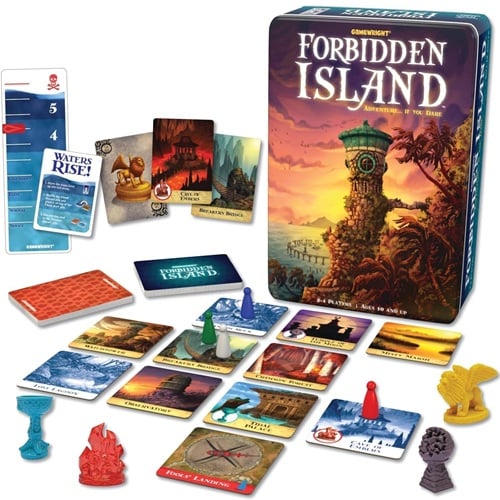
The visual storytelling is very strong, which helps keep players engaged. It emphasizes communication and prioritization (deciding which part of the island to save and which to let sink) which keeps the mind sharp and the conversation flowing.
The Diverse Benefits
Engaging in regular play offers a wealth of advantages that touch every aspect of an older adult's life. Beyond the immediate fun, board games for seniors act as a comprehensive workout for both the mind and the body through the following benefits:
Cognitive Preservation: Activities that require strategy and memory help strengthen neural pathways, which is crucial for maintaining mental sharpness and potentially slowing cognitive decline.
Social Connectivity: A regular game night provides a consistent bridge to friends and family, effectively reducing feelings of isolation and the stress associated with loneliness.
Fine Motor Skills: The simple act of shuffling cards, rolling dice, or moving small tokens helps maintain hand-eye coordination and keeps finger joints limber.
Emotional Resilience: Succeeding at a challenge or simply sharing a laugh over a game releases endorphins, which naturally boosts mood and provides a sense of daily accomplishment.
Educational Engagement: Many board games for seniors encourage linguistic recall and numerical logic, keeping basic academic skills active and refreshed in a relaxed setting.
By integrating these activities into a daily routine, players can enjoy a holistic boost to their well-being, keeping them active and connected throughout their golden years.
Setting Up the Perfect Game Environment
To ensure that board games for seniors are enjoyed to the fullest, the environment needs to be just right. Proper lighting is perhaps the most critical factor. Ensure the table is well lit to reduce eye strain and make it easier to read small text or distinguish between similar colors on a board.
Noise levels should also be managed. While a bit of background music is nice, loud environments can make it difficult for those with hearing aids to follow the conversation or the instructions of the game. A quiet, comfortable space with supportive seating will allow the players to focus entirely on the fun at hand.
Accessibility Tips for Success
- Use card holders: These wooden or plastic stands hold cards upright on the table.
- Magnifying sheets: Keep a flat magnifying sheet nearby for reading fine print in rulebooks.
- Contrast: Choose games with high contrast colors (like black text on a white background) to assist those with visual impairments.
Conclusion
In conclusion, choosing the right board games for seniors is about more than just picking a hobby; it is about investing in a healthier, happier lifestyle.
These games provide a vital workout for the brain, a bridge for social connection, and a source of immense joy. By selecting games that are accessible, engaging, and appropriately challenging, we can help the older adults in our lives stay sharp and connected to those around them.
The beauty of a board game lies in its simplicity. It requires no batteries, no internet connection, and no complex updates. All it requires is a table, a few willing players, and a spirit of fun. As we look for ways to support our aging population, let us not overlook the power of a simple deck of cards or a colorful game board.


