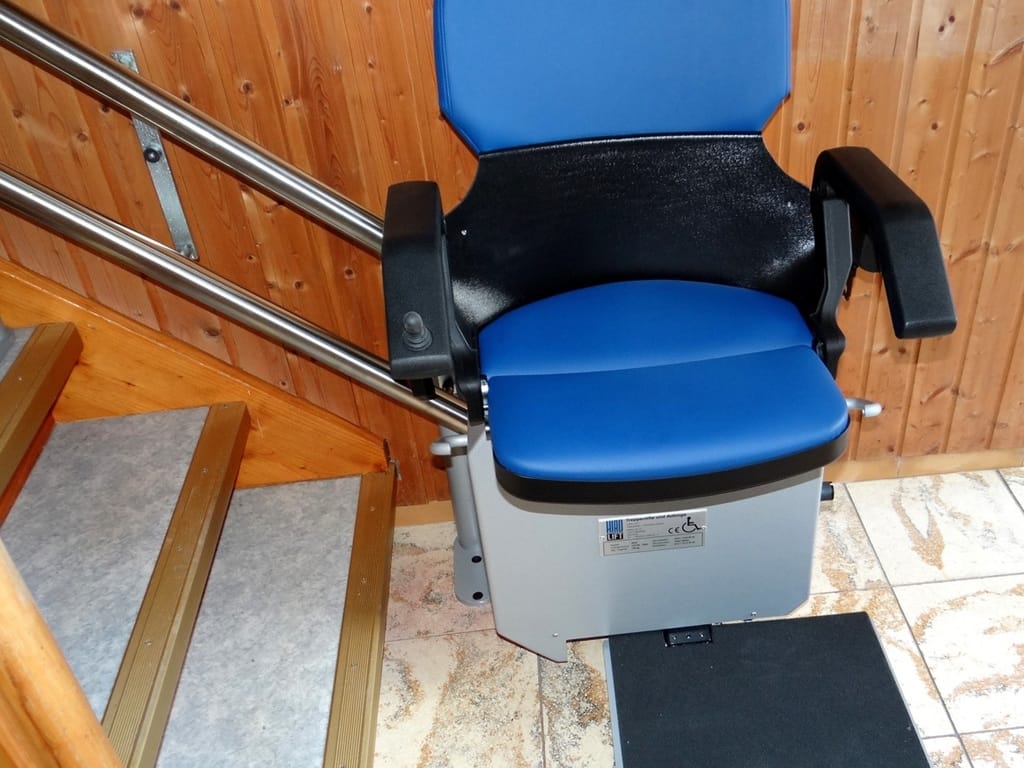

Stair lift alternatives are worth considering before committing to a motorized rail system: installation isn't always feasible, costs add up quickly, and for some mobility conditions, transferring into a lift seat creates more risk than it solves.
The more practical question is what the stairs are actually preventing: reaching a bedroom, a bathroom, a laundry room. The answer usually points toward a specific solution, whether that's a vertical platform lift, a home elevator, or simply relocating key living spaces to a single floor.
When a Stair Lift Isn't the Right Fit
Narrow staircases, curved layouts, and tight landings can make traditional lift installation impractical or prohibitively expensive. Wheelchair users face an additional problem: a stair lift requires transferring out of the chair twice per trip, which defeats the purpose for anyone with significant upper body limitations.
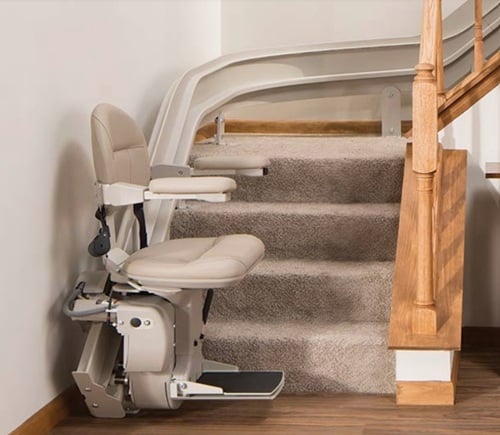
Cost is another real barrier. A standard stair lift runs several thousand dollars installed, and that figure climbs for custom configurations. Several alternatives deliver comparable safety at a fraction of that price, or address the underlying access problem more completely.
Stair Lift Alternatives to Consider
Choosing the right mobility solution depends on your home’s layout and the specific physical needs of your loved one. Below, we explore six practical stair lift alternatives that offer safety, comfort, and independence for seniors.
1. Residential Elevators: The Ultimate Long-Term Solution
When people think of luxury and total accessibility, residential elevators often come to mind. Unlike a chair that travels along the stairs, a home elevator provides a fully enclosed cabin that moves between floors.
Benefits of a Home Elevator
A residential elevator is one of the most robust stair lift alternatives because it removes the need for any physical exertion on the stairs.
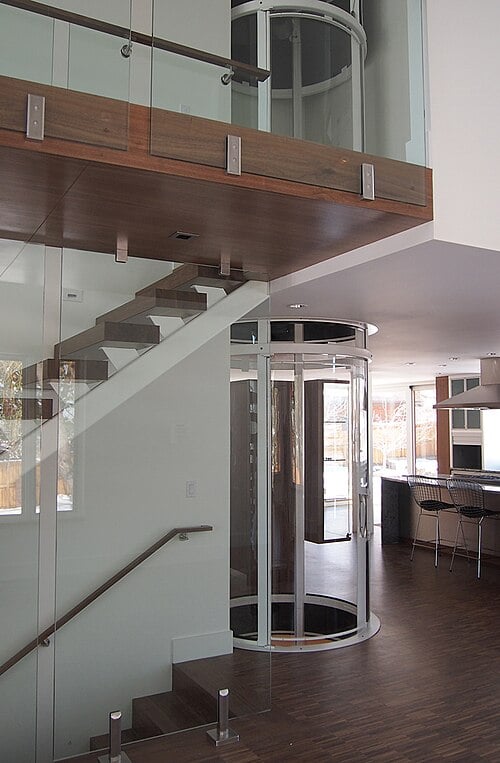
It allows for multiple passengers, heavy laundry baskets, or groceries to be moved between floors simultaneously.
From a financial perspective, while the initial investment is higher, an elevator often adds significant resale value to a home, as "aging in place" features are highly sought after in the real estate market.
Installation Considerations
Installing an elevator usually requires a "shaftway" or a "hoistway." Modern pneumatic vacuum elevators have made this easier, as they often require less construction than traditional cable-driven models.
However, you will still need to consult with a contractor to ensure your home’s structure can support the unit. For many caregivers, the peace of mind knowing a senior is safely enclosed in a cabin is well worth the renovation effort.
2. Vertical Platform Lifts (VPL)
If a full elevator feels like too much construction, a Vertical Platform Lift (VPL) is an excellent middle ground. Often referred to as "porch lifts" when used outdoors, these devices function like a mini-elevator without the need for a full shaft.
How VPLs Work
A VPL consists of a platform that moves straight up and down. The user simply rolls their wheelchair or walks onto the platform, and the lift raises them to the next level.
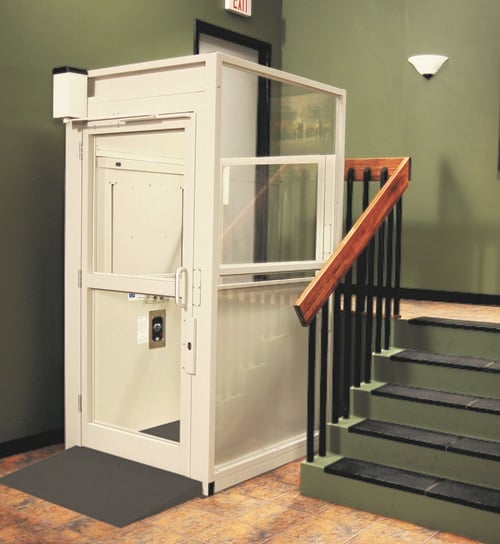
This is one of the best stair lift alternatives for individuals who use wheelchairs or power scooters because it eliminates the dangerous "transfer" process. Instead of moving from a wheelchair to a stair lift seat, the user stays securely in their own chair.
Space and Safety
VPLs are generally more compact than elevators and can be installed next to a balcony, a deck, or even inside a foyer where there is an open landing above.
They include safety sensors that stop the lift if an obstruction is detected, making them a very safe choice for seniors with cognitive or visual impairments.
3. Inclined Platform Lifts: Accessibility on the Incline
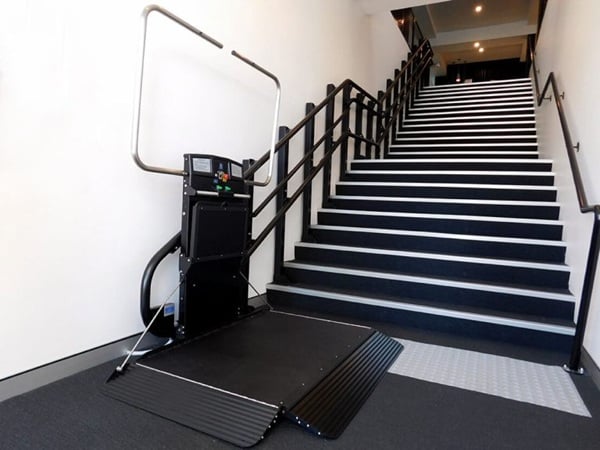
An Inclined Platform Lift (IPL) is essentially a hybrid between a stair lift and a platform lift. Instead of a seat, it features a large, folding platform that travels along the path of the stairs.
Ideal for Wheelchair Users
For homes where a vertical lift isn't possible due to the floor plan, an IPL serves as a fantastic choice among stair lift alternatives.
When not in use, the platform typically folds up against the wall, leaving the stairs clear for other family members to walk up and down.
Weight Capacity and Stability
Because they are designed to carry both a person and a wheelchair, these lifts have much higher weight capacities than standard chair lifts.
They are incredibly stable and provide a sense of security for users who may feel "exposed" on a traditional stair lift chair.
See Also: 6 Best Commode Seats
4. Stair Climbers: The Portable Power Option
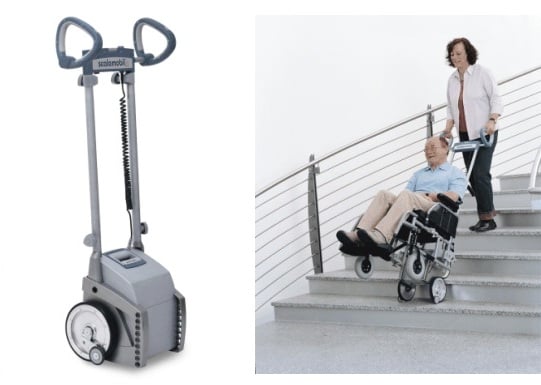
For families on a budget or those living in temporary housing, portable stair climbers represent a unique category of stair lift alternatives. These are battery-operated devices that a caregiver attaches to a manual wheelchair.
Caregiver Assistance Required
It is important to note that portable stair climbers are not for independent use. A caregiver must be present to tilt the device and guide it as the motorized "crawlers" or wheels navigate the steps.
For a caregiver who is physically capable of balancing the device, this is a highly flexible solution.
Versatility and Travel
The greatest advantage here is portability. You can take a stair climber in the car to visit relatives or go to doctor appointments that may have steps.
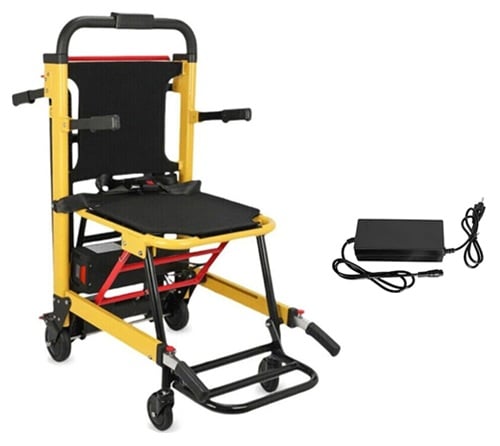
It requires zero installation and zero modification to the home, making it the most non-invasive option on this list.
5. Home Modification: Embracing Downstairs Living
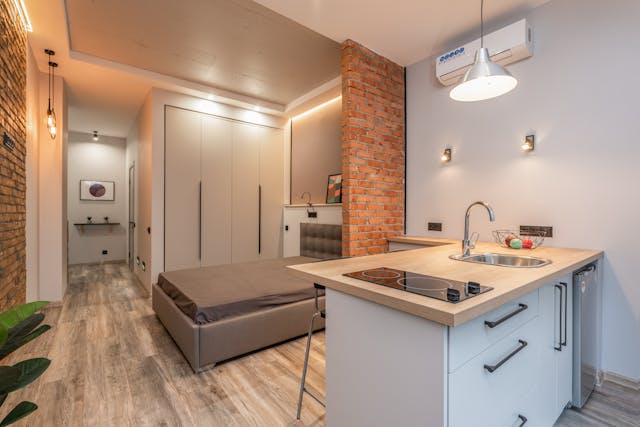
Sometimes, the best way to deal with stairs is to avoid them entirely. Downstairs living, often called "lateral living," is one of the most effective and cost-efficient stair lift alternatives available to seniors.
Repurposing Existing Rooms
This approach involves looking at the ground floor with fresh eyes. Can a formal dining room be converted into a beautiful primary bedroom?
Can a half-bath be expanded to include a walk-in shower? By moving the essential elements of daily life (sleeping, bathing, and laundry) to the first floor, the risk of a fall on the stairs is reduced to zero.
The Benefits of a One-Level Lifestyle
Beyond safety, many seniors find that living on one level is simply more convenient. It reduces fatigue and allows more energy to be spent on hobbies and family rather than navigating the house.
For caregivers, having the senior on the same level makes monitoring and assistance much easier, especially during the night.
See Also:
6. Manual Stair Aids: Enhancing Existing Strength
Not everyone requires a motorized solution. For seniors who still have a fair amount of mobility but simply feel "unsteady," manual aids are excellent stair lift alternatives that encourage physical activity while providing a safety net.
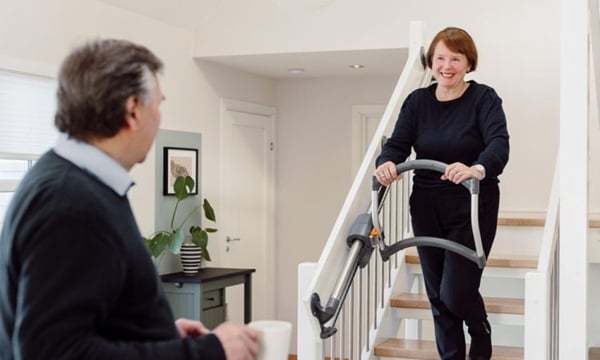
Additional Handrails
Most standard staircases only have a railing on one side. Adding a second railing on the opposite side allows a person to use both arms for leverage and balance. This simple, low-cost fix can significantly increase confidence.
The StairSteady and Similar Devices
The StairSteady is a high-quality example of a manual aid. It consists of a sturdy rail and a folding handle. The handle slides freely when you push it forward but locks instantly when you put weight on it.
This allows the user to take a break on any step and have a firm, unmoving support to lean on. It’s an ideal choice for those who want to keep their leg muscles active but need the security of a "brake" system.
Comparison Table: Finding the Right Fit
To help you decide between these stair lift alternatives, we have summarized the key factors in the table below:
| Solution | Best For | Installation Complexity | Price Range |
|---|---|---|---|
| Residential Elevator | Total luxury/Long-term | High (Major Renovation) | $$$$ |
| Vertical Platform Lift | Wheelchair users | Medium | $$$ |
| Inclined Platform Lift | Wheelchair users on stairs | Medium | $$$ |
| Portable Stair Climber | Temporary use/Travel | None | $$ |
| Downstairs Living | Maximum safety | Varies (Low to High) | $ to $$$ |
| Manual Stair Aids | Those with some mobility | Low | $ |
Financial Assistance and Planning for Safety
Budget is often the biggest concern for families. While some stair lift alternatives can be expensive, there are several avenues for financial help.
In many regions, there are government grants for home modifications aimed at keeping seniors in their homes. Long-term care insurance policies sometimes cover "durable medical equipment" or home accessibility renovations. Additionally, veterans may be eligible for specific housing grants designed to improve mobility.
Always consult with an Occupational Therapist (OT) before making a final decision. An OT can visit your home, assess the senior’s specific physical abilities, and recommend the safest and most practical option for your unique situation.
Choosing the Best Way Forward
In conclusion, there is no one-size-fits-all solution when it comes to home mobility. Whether you choose the high-tech convenience of a residential elevator or the simple practicality of moving a bedroom to the first floor, the goal remains the same: safety and dignity.
By carefully weighing these stair lift alternatives, you can create an environment where your loved one feels secure and empowered. Taking the time to research now can prevent accidents later and ensure that the "golden years" are spent in comfort.
Remember that the best choice is the one that fits both the physical needs of the user and the lifestyle of the caregiver.


