

The house feels different when it's just you. The quiet stretches longer, and some days you find yourself talking to no one simply to hear a voice. That's when a cat for seniors stops being just a pet.
It becomes the difference between an empty afternoon and a reason to get out of bed, without the demands of a dog that needs constant walking or the weight of outliving another beloved companion too soon.
Why Cats for Seniors Are an Excellent Choice
Cats are often recommended for older adults because their needs align well with senior lifestyles. Unlike dogs, cats do not require frequent walks or extensive outdoor activities. They are content spending time indoors and can entertain themselves when needed.
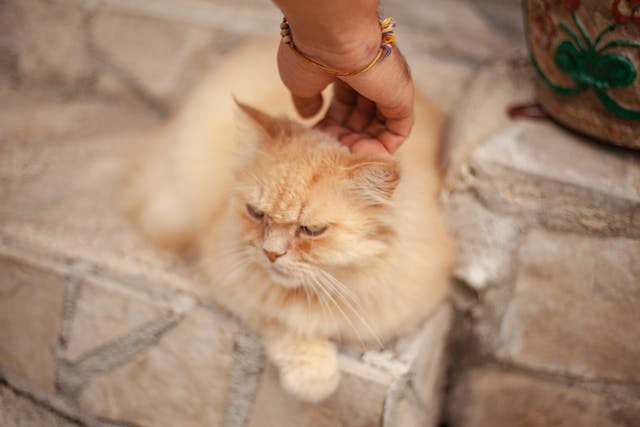
For many retirees, cats for seniors offer emotional benefits that go beyond simple companionship. Studies have shown that interacting with cats can help reduce stress, lower blood pressure, and ease feelings of loneliness. The gentle sound of a cat purring or the simple routine of feeding and grooming can be surprisingly soothing.
Key reasons cats are well-suited for seniors include:
- Lower maintenance compared to many other pets.
- Calm and predictable behavior.
- Ability to live comfortably in small homes or apartments.
- Strong emotional bonding without constant attention demands.
Health and Emotional Benefits of Cats for Seniors
Cats can have a positive impact on both emotional well-being and physical health during retirement. For many older adults, the calming presence of a cat helps reduce stress, ease loneliness, and create a more peaceful daily routine.
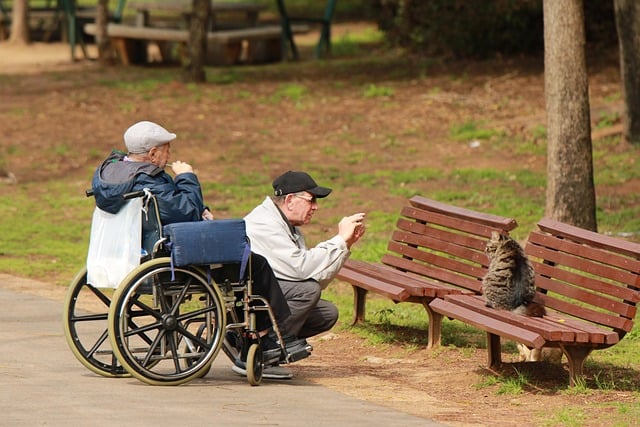
Emotional Well-Being and Reduced Loneliness
Loneliness is a common challenge during retirement, especially for seniors living alone. Cats for seniors provide daily companionship and a sense of presence in the home. Even quiet moments feel less empty when a cat is nearby.
Caring for a cat creates daily routines that can improve emotional stability. Simple tasks like feeding, brushing, or playing help give each day structure and meaning.
Physical Health Advantages
While cats are not physically demanding, they still encourage light movement. Seniors may find themselves walking more around the house, bending gently to refill food bowls, or stretching while playing with toys. These small activities support mobility without strain.
Additionally, pet ownership has been associated with:
- Lower stress levels
- Improved heart health
- Better sleep patterns
- Reduced feelings of anxiety or depression
Choosing the Right Cat for a Senior Lifestyle
Not all cats have the same temperament or energy level. Selecting the right cat is essential for a comfortable and lasting relationship.
Adult Cats vs Kittens
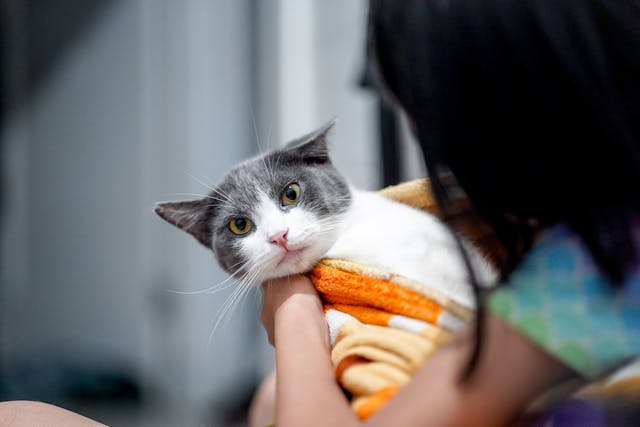
Kittens are adorable but often energetic and unpredictable. For many seniors, adult cats or senior cats are a better match. They tend to be calmer, already litter-trained, and more predictable in behavior.
Adult cats for seniors often adapt quickly to quiet homes and appreciate relaxed companionship.
Temperament and Personality
When choosing a cat, look for traits such as:
- Calm and gentle behavior.
- Affectionate but not overly demanding.
- Comfortable being handled.
- Low tendency to jump on high furniture.
Animal shelters often know the personalities of their cats and can help match seniors with suitable companions.
Best Cat Breeds for Seniors
While mixed-breed cats can be just as loving, some breeds are known for calm and friendly temperaments that suit older adults well.
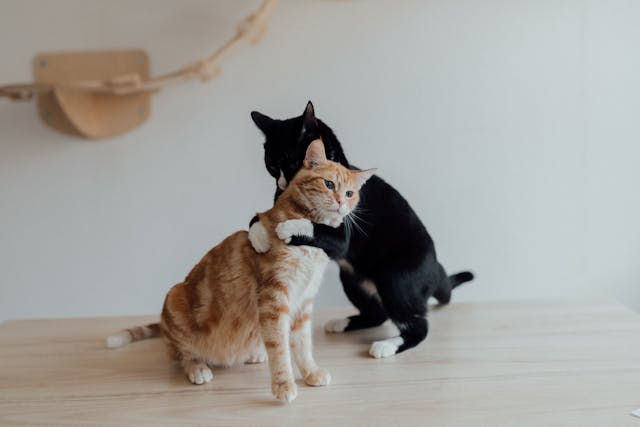
Popular cat breeds often recommended include:
- Ragdoll, known for their relaxed and affectionate nature.
- British Shorthair, calm and independent but loving.
- Persian, quiet and gentle with a preference for indoor living.
- Maine Coon, friendly and sociable despite their size.
Breed is not everything, but understanding general tendencies can help seniors make informed decisions.
Daily Care Tips for Seniors with Cats
Caring for a cat does not have to be complicated or physically demanding for seniors. With a few practical adjustments and simple habits, daily cat care can remain comfortable, safe, and enjoyable well into retirement years.
Keeping Cat Care Simple and Safe
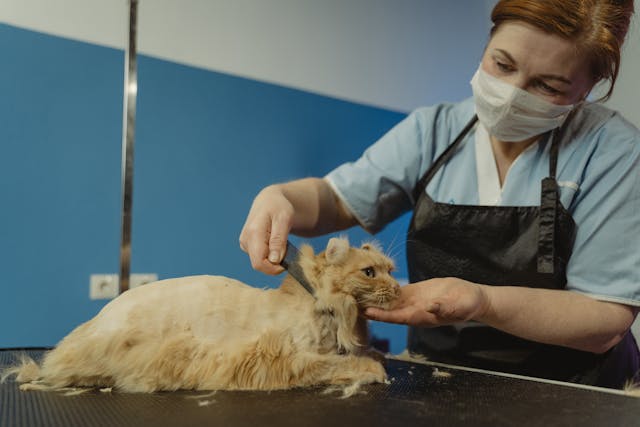
Cats for seniors should fit easily into daily routines. Using lightweight litter boxes, automatic feeders, and elevated food bowls can reduce bending and strain.
Helpful tips include:
- Place litter boxes in easily accessible locations.
- Choose low-dust litter for respiratory comfort.
- Schedule regular vet visits to prevent health issues.
- Keep grooming tools within easy reach.
Home Safety Considerations
Ensure the home environment is safe for both the senior and the cat. Remove tripping hazards such as loose rugs or scattered toys. Cats enjoy climbing, but providing stable cat trees can prevent them from jumping onto unsafe surfaces.
Managing Cat Care Costs on a Fixed Retirement Income
Owning a cat can be affordable and manageable for seniors, even when living on a fixed retirement income. With thoughtful planning and smart choices, daily cat care does not have to place unnecessary strain on household finances.
Common expenses for seniors who own cats typically include food, litter, routine veterinary care, and basic grooming supplies.
On average, monthly cat care costs may range from around $40 to $80, depending on food choices, litter type, local veterinary prices, and the overall health of the cat.
Practical ways seniors can manage cat-related expenses include:
- Adopting adult or senior cats, which often have lower adoption fees and calmer needs.
- Choosing quality but budget-friendly cat food that meets basic nutritional standards.
- Buying litter and supplies in bulk to reduce long-term costs.
- Keeping up with preventive veterinary visits to avoid expensive emergency care.
Many communities also offer low-cost veterinary clinics or assistance programs designed to help seniors care for their pets. These resources can significantly reduce annual expenses while ensuring cats remain healthy and comfortable.
By planning ahead and making informed decisions, cats for seniors can remain a joyful and financially sustainable companion throughout retirement.
Adopting Cats for Seniors from Shelters
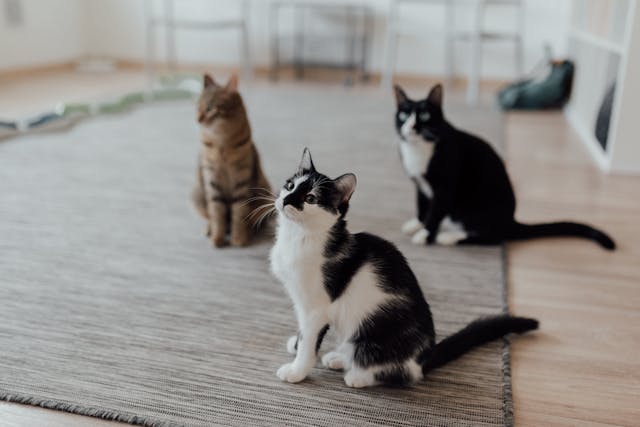
Adoption is often the best option for seniors. Shelters frequently have adult and senior cats that need quiet, loving homes. Many organizations even offer reduced adoption fees for older adults.
Benefits of adoption include:
- Lower upfront costs.
- Cats with known personalities.
- Supporting animal welfare.
Some shelters also provide ongoing support or advice, which can be reassuring for first-time cat owners.
Building a Lasting Bond with Your Cat
The relationship between seniors and cats grows through patience and gentle interaction. Cats appreciate calm voices, predictable routines, and comfortable spaces. Over time, many seniors find that their cats become intuitive companions, often sensing emotions and offering comfort when needed.
Spending quiet moments together, reading, watching television, or enjoying a sunny window can deepen the bond and enhance daily life.
Final Thoughts
Cats for seniors offer more than companionship. They provide emotional comfort, gentle routine, and a sense of connection that can greatly enrich retirement years. With the right choice of cat and simple care adjustments, seniors can enjoy a loving and fulfilling relationship that supports both emotional and physical well-being.
For retirees seeking a calm, affectionate, and manageable pet, cats for seniors remain one of the most rewarding choices, bringing warmth and joy into everyday life.


