

Visiting Angels cost is one of the most important considerations for families seeking professional, compassionate home care to help a loved one age gracefully in place. Choosing to bring a caregiver into your home is a significant decision, both emotionally and financially.
While the primary goal is ensuring the safety and comfort of a senior, understanding the financial commitment involved is essential for long-term planning.
Understanding the Factors That Influence Visiting Angels Cost
When you begin researching home care, you may notice that prices are not the same across the country. The Visiting Angels cost is not a single, fixed national number. Instead, it is determined by several local and personal factors.
Because each Visiting Angels office is independently owned and operated, they have the flexibility to set prices based on their specific market and the unique needs of the seniors in their community.

One of the biggest factors is your geographic location. In areas where the general cost of living is higher, such as major metropolitan cities, you will likely find that the service fees reflect those local economic conditions.
Conversely, in more rural areas, the prices might be slightly lower. Beyond geography, the level of care required plays a massive role.
A senior who only needs a companion for a few hours a week to help with light housekeeping will face a different financial structure than someone who requires specialized memory care or around-the-clock assistance.
Visiting Angels Rates and How They Are Structured
To plan your budget effectively, it is helpful to look at how Visiting Angels rates are typically presented to families. Most offices operate on an hourly basis, which allows for maximum flexibility. This means you only pay for the time a caregiver is actually in your home providing support.

These hourly Visiting Angels rates generally cover a wide range of essential services, including:
- Personal care assistance such as bathing, dressing, and grooming.
- Help with mobility and transferring to prevent falls.
- Light housekeeping, laundry, and organizing.
- Meal preparation and specialized diet monitoring.
- Reliable transportation to medical appointments or social events.
- Meaningful companionship to reduce feelings of isolation.
By using an hourly rate system, Visiting Angels allows families to start with a small amount of care and increase it as the senior's needs change over time. This "pay-as-you-go" approach is often much more manageable for retirees who are living on a fixed income.
Exploring the Average Visiting Angels Cost per Hour
While the specific Visiting Angels cost will vary by zip code, most families find that the hourly rates fall within a standard industry range for professional home care.
On average, you can expect to pay anywhere from $25 to $35 per hour.
It is important to remember that these rates are inclusive of the caregiver's wages, professional insurance, background checks, and the ongoing support of the local office staff.

When you hire a private individual independently, you might find a lower price, but you also take on the responsibilities of an employer, such as managing taxes and finding a replacement if the caregiver gets sick.
The Visiting Angels cost provides a layer of security, as the agency handles all the administrative burdens and ensures that a qualified, vetted professional is always available to step in when needed.
Specialized Care and Price Adjustments
It is also worth noting that specialized services may influence the final Visiting Angels cost. For example, if a senior requires specialized Alzheimer’s or Dementia care, the caregiver may need advanced training, which can sometimes result in a slightly higher rate.
Similarly, care provided on major holidays or during overnight shifts may be priced differently than standard daytime visits. Always ask your local coordinator for a detailed fee schedule during your initial consultation to avoid any surprises.
Comparing the Costs: Home Care vs. Assisted Living
For many seniors, the goal is to remain in the comfort of their own home for as long as possible. When evaluating the Visiting Angels cost, it is helpful to compare it to the price of an assisted living facility or a nursing home.
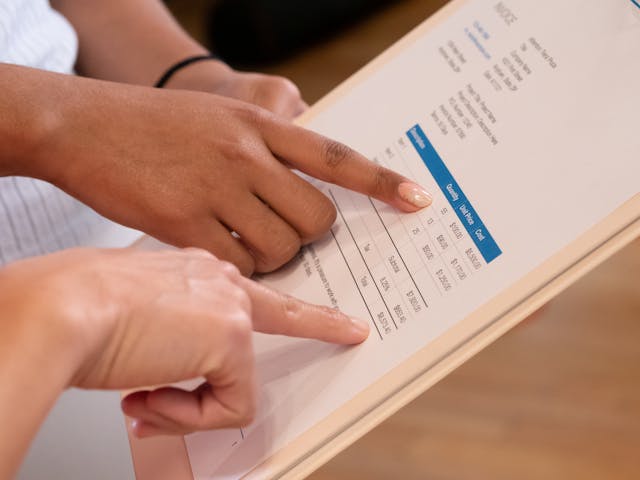
In many cases, home care is significantly more affordable, especially for those who do not yet require 24/7 medical supervision.
Assisted living facilities often charge a flat monthly fee that can range from $4,000 to over $8,000, regardless of how much individual attention the resident actually uses. With Visiting Angels, you have the power to control your spending by adjusting the schedule.
If you only need help for four hours a day, your monthly Visiting Angels cost will likely be much lower than the "all-in" price of a residential facility. This makes home care an excellent "middle ground" option that preserves independence while staying within a reasonable budget.
The Value of Personalized Care Plans
A unique benefit of Visiting Angels is the creation of a customized care plan. During your first meeting, a care coordinator will sit down with you to discuss your routine, your health needs, and your financial comfort zone.
This personalized plan ensures that every dollar spent on the Visiting Angels cost is going directly toward the services that improve your quality of life the most.
Financial Assistance and Ways to Manage the Expense
Many families wonder if there are ways to offset the Visiting Angels cost through insurance or government programs.
While traditional Medicare often has limitations regarding non-medical home care, there are several other avenues you can explore to make care more affordable:
- Long-Term Care Insurance: If you have a long-term care policy, it will often cover the Visiting Angels rates for home care services. Be sure to review your policy to understand your elimination period and daily benefit limits.
- Veterans Benefits: Veterans and their surviving spouses may be eligible for the "Aid and Attendance" benefit, which provides a monthly pension to help pay for home care services.
- Life Insurance Settlements: Some life insurance policies can be converted into a long-term care benefit or settled for a lump sum to cover immediate care needs.
- Reverse Mortgages: For homeowners, a reverse mortgage can sometimes provide the necessary cash flow to pay for home care while remaining in the house.
By exploring these options, many seniors find that the Visiting Angels cost becomes much more manageable, allowing them to focus on their health rather than worrying about the bill.
Making the Best Decision for Your Future
Ultimately, the Visiting Angels cost represents an investment in your safety, happiness, and independence. While it is important to be mindful of the numbers, the value of having a kind, professional companion to help with daily tasks is immeasurable.
It reduces the stress on family members who may be acting as unpaid caregivers and ensures that the senior receives the dignity and respect they deserve.
When you are ready to take the next step, we recommend contacting your local office for a free, no-obligation home assessment.
This will allow you to get a precise quote for Visiting Angels rates in your specific area and see how a customized care plan can fit into your life. Whether you need a few hours of help a week or more consistent daily support, there is a solution that can work for your family.
In conclusion, understanding the Visiting Angels cost is the first step toward a more secure and comfortable retirement.
See Also: NHTD vs. MLTC
By weighing the hourly rates against the benefits of staying at home, you can create a plan that honors your wishes and protects your financial future. Home is where the heart is, and with the right support, it is also the best place to spend your golden years.


