

Providing care for an elderly relative or an individual with chronic health conditions is one of the most noble yet demanding callings a person can answer. As the global population ages, millions of families find themselves stepping into caregiving roles, often overnight. Navigating this transition requires a clear understanding of what the role truly entails.
Knowing the specific duties of a caregiver helps families set realistic expectations, hire qualified professional assistance, and ensure that vulnerable individuals receive the highest standard of compassionate, dignified support.
The caregiving landscape spans a wide spectrum of physical, emotional, and administrative labor. It is rarely a rigid, one-size-fits-all position. Instead, the daily realities depend heavily on the care recipient's cognitive health, physical mobility, and specific medical diagnoses.
By analyzing the core pillars of care, we can form a comprehensive framework that serves as a practical caregiver job description for anyone preparing to undertake or manage this vital responsibility.
The Essential Physical Duties of a Caregiver
At its core, professional and familial caregiving focuses intensely on Activities of Daily Living, which are frequently referred to as ADLs. When an individual loses the capacity to execute these tasks safely, the physical duties of a caregiver become paramount to maintaining their survival and health.
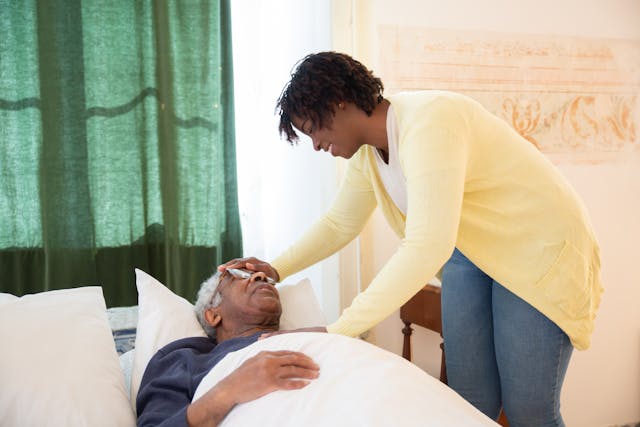
1. Personal Care Assistance
Personal care represents the foundational pillar of physical caregiving. These tasks require immense patience, physical strength, and a deep respect for the recipient's personal boundaries:
- Hygiene Support: Routinely assisting with bathing, showering, shaving, and oral grooming.
- Toileting Care: Helping with restroom visits and managing incontinence care safely to prevent painful skin infections or dangerous urinary tract infections.
- Mobility Assistance: Safe transferring from beds to wheelchairs, assisting with walkers, or helping them perform prescribed physical therapy exercises to retain muscle mass.
2. Nutritional Management
Many seniors suffer from a decreased appetite, difficulty swallowing, or strict dietary restrictions due to chronic illnesses. Caregivers are tasked with two main food-related goals:
- Meal Preparation: Preparing nutrient-dense, appetizing meals that align perfectly with medical recommendations (such as low-sodium or diabetic-friendly diets).
- Hydration Monitoring: Tracking fluid intake throughout the day, as dehydration in older adults can rapidly escalate into severe medical complications, including cognitive confusion and an increased risk of debilitating falls.
Depending on the family's needs, these tasks can be managed by different professionals. Read our guide on: Understanding Each Type of Carers and Their Roles - to find the right fit for your loved one.
Managing Medical Coordination and Caregiver Daily Tasks
Beyond personal hygiene and nutrition, the modern caregiving role demands a high level of logistical coordination. Keeping a structured checklist of caregiver daily tasks effectively is vital to preventing medical errors and tracking changes in the recipient's overall baseline health.

1. Medical Advocacy and Administration
Caregivers act as the primary communication link between the patient and their medical team through these critical actions:
- Medication Management: Ensuring that all prescriptions are filled on time, organized correctly using pill organizers, and administered at the precise times required.
- Health Documentation: Meticulously documenting daily vital signs, tracking changes in mood or sleep patterns, and logging symptoms.
- Appointment Coordination: Transporting the senior to healthcare appointments, asking the right questions, and retaining essential medical instructions.
2. Maintaining a Safe Living Environment
Light housekeeping chores fall heavily under the caregiver's purview to ensure peace of mind at home:
- Laundering bed linens and personal clothing regularly.
- Sanitizing high-touch surfaces to prevent infectious illnesses from gaining a foothold.
- Removing household clutter and tripping hazards to mitigate severe fall risks.
Providing Emotional, Cognitive, and Companionship Support
While physical safety and medical compliance are easily measurable, the emotional dimension of caregiving is arguably just as critical to an individual's longevity. Therefore, the core responsibilities of a caregiver must always incorporate genuine, empathetic companionship.

1. Social Engagement and Companionship
Loneliness and social isolation are pervasive health risks for seniors, frequently contributing to high rates of clinical depression. Caregivers counteract this isolation by:
- Engaging the senior in meaningful, active conversation.
- Reminiscing about pleasant past experiences and reading books aloud.
- Participating together in simple, stimulating hobbies like puzzles, card games, and crafts.
2. Cognitive Stimulation and Dementia Care
For individuals navigating the devastating progression of dementia or Alzheimer's disease, the responsibilities of a caregiver shift toward behavioral management:
- Implementing calming techniques to reduce sunsetting anxiety.
- Managing repetitive questions with continuous patience and a soothing tone.
- Providing gentle reality reorientation when confusion or memory lapses set in.
Conclusion: Honoring the Scope of Caregiving
Ultimately, understanding the true duties of a caregiver reveals that this role is far more than a simple checklist of chores. It is a highly complex, dynamic profession requiring a unique blend of physical endurance, administrative competence, and deep emotional resilience.
See Also: Visiting Angels Cost
By breaking down these comprehensive demands, we can better support the caregivers who give so much of themselves to preserve the comfort and peace of our most vulnerable loved ones.


