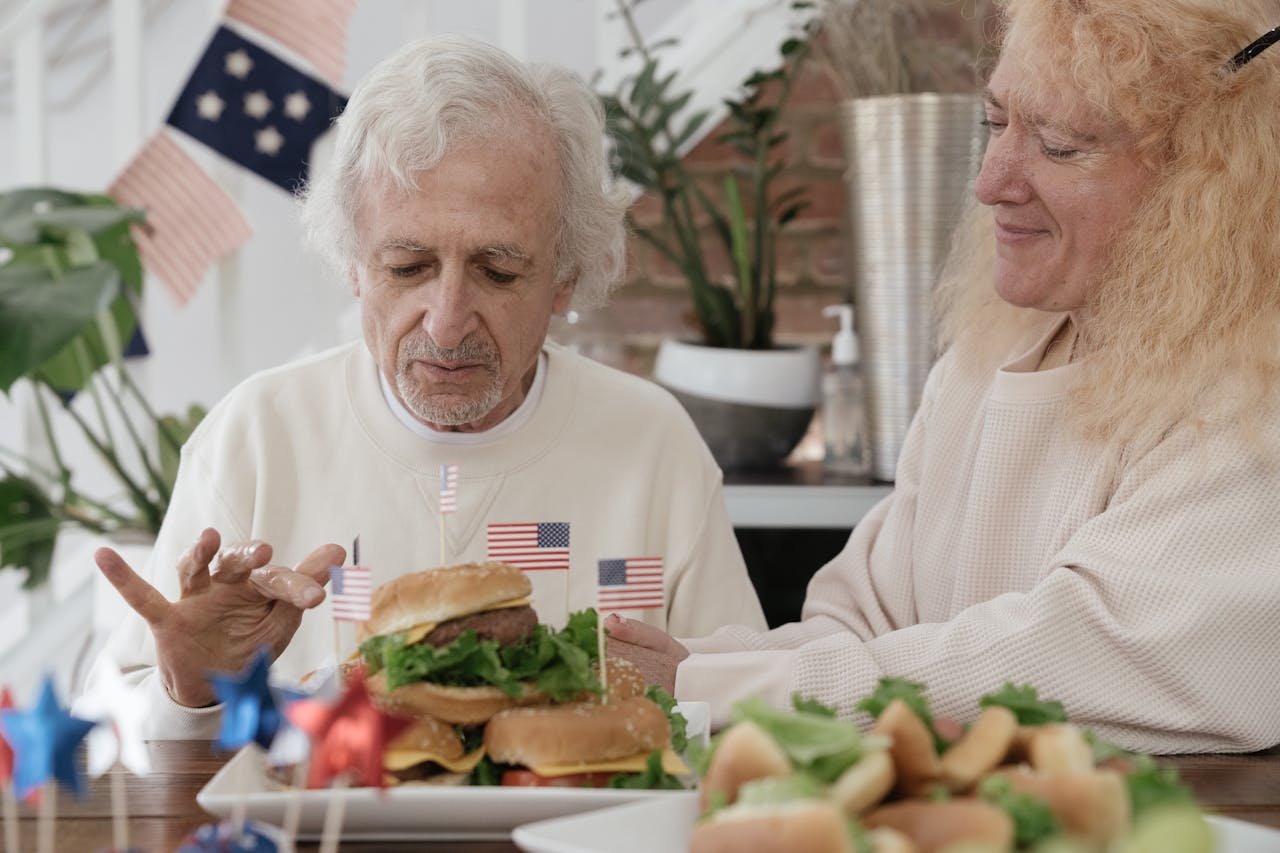

Appetite stimulants for elderly individuals are often discussed when an older adult begins eating less, losing weight, or showing signs of poor nutrition.
While occasional appetite changes can be normal with aging, persistent loss of appetite should never be ignored. It may signal underlying health concerns or emotional challenges that deserve attention and compassionate care.
Why Appetite Loss Happens in Older Adults
As people age, many physical and emotional changes can affect hunger and eating habits. Understanding the root cause is the first step before considering any appetite stimulants.

1. Natural Changes in Aging
- Slower metabolism.
- Reduced sense of taste and smell.
- Changes in digestive function.
- Lower physical activity levels.
These changes can make food less appealing and reduce natural hunger cues.
2. Medical Conditions
Certain health conditions commonly affect appetite, including:
- Dementia, including Alzheimer's disease.
- Parkinson's disease.
- Chronic kidney disease.
- Cancer.
- Depression.
Chronic pain, difficulty swallowing, dental problems, and digestive disorders can also make eating uncomfortable.
3. Medication Side Effects
Many prescriptions list appetite suppression, nausea, or taste changes as side effects. Sometimes adjusting medication under a doctor’s supervision can improve appetite without needing additional treatments.
4. Emotional and Social Factors
Loneliness, grief, and isolation can significantly reduce appetite. Seniors who eat alone frequently may lose interest in preparing or finishing meals.
Before turning to appetite stimulants for elderly individuals, it is important to explore these possible causes with a healthcare professional.
Types of Appetite Stimulants for Elderly
When lifestyle changes are not enough, doctors may consider appetite stimulants. These options fall into several categories.

Prescription Medications
Some medications are prescribed specifically to increase appetite or promote weight gain. Common examples include:
- Megestrol acetate.
- Mirtazapine, often used when depression is present.
- Dronabinol, sometimes prescribed for severe appetite loss.
These medications can be helpful in certain medical situations, especially in cases of cancer-related weight loss or severe malnutrition. However, they also carry risks such as fluid retention, blood clots, drowsiness, or hormonal changes. They should always be used under medical supervision.
Nutritional Supplements
Oral nutritional drinks are often a first-line approach before medication. These include high-calorie, high-protein supplements such as:
- Ensure.
- Boost.
These products provide balanced nutrients in smaller volumes, which can help seniors who struggle to finish full meals.
Natural and Herbal Options
Some families explore natural appetite stimulants for elderly loved ones. Common options include:
- Ginger to reduce nausea.
- Chamomile tea to support digestion.
- Small amounts of bitter herbs that stimulate digestive juices.
While these may help mild appetite issues, they are not substitutes for medical treatment when significant weight loss is present. Always check for possible interactions with medications.
When Are Appetite Stimulants for Elderly Appropriate?
Not every senior with reduced appetite needs medication. Appetite stimulants for elderly individuals are typically considered when:
- There is unintended weight loss of more than 5 percent over six to twelve months.
- Malnutrition is diagnosed.
- The person is recovering from illness or surgery.
- Appetite loss is causing significant weakness.
Doctors will often evaluate:
- Body weight trends.
- Blood tests.
- Hydration status.
- Underlying medical conditions.
The goal is not just weight gain, but improved strength, energy, and quality of life.
Non-Medication Ways to Improve Appetite
In many cases, gentle lifestyle adjustments can significantly improve eating habits without relying heavily on appetite stimulants.

Make Meals Smaller and More Frequent
Instead of three large meals, try:
- Five to six small meals per day.
- Nutrient-dense snacks between meals.
- Protein-rich smoothies.
This reduces the pressure to eat large portions.
Improve the Eating Environment
- Eat together whenever possible.
- Serve meals in a pleasant, well-lit space.
- Use colorful plates to enhance visual appeal.
For seniors with cognitive decline such as Alzheimer's disease, simple table settings can reduce distraction.
Focus on Nutrient Density
Choose foods that pack more calories and protein into smaller portions:
- Eggs.
- Greek yogurt.
- Avocado.
- Nut butters.
- Full-fat dairy.
Adding olive oil, cheese, or protein powder to meals can gently increase calorie intake.
Encourage Gentle Physical Activity
Light movement such as walking or stretching can naturally stimulate hunger.
Risks and Considerations of Appetite Stimulants
While appetite stimulants for elderly patients can be beneficial, they are not risk-free. Some concerns include:
- Fluid retention and swelling.
- Increased risk of blood clots.
- Changes in blood sugar.
- Sedation or confusion.
- Hormonal effects.
In frail seniors, even mild side effects can significantly impact safety and independence. Regular monitoring by a healthcare provider is essential.
It is also important to understand that appetite stimulants may increase calorie intake without necessarily improving muscle mass. Combining nutritional support with light strength exercises can help maintain muscle health.
Appetite Stimulants in Dementia and Advanced Illness
In later stages of dementia or advanced disease, appetite naturally declines as part of the body’s aging process. In these situations, the focus often shifts from aggressive treatment to comfort.
Research suggests that in advanced dementia, medications designed as appetite stimulants for elderly patients may not significantly improve long-term outcomes. Instead, supportive feeding, favorite foods, and a calm mealtime environment may provide more comfort and dignity.
Families should have open conversations with doctors about goals of care, especially when weight loss is part of a broader decline.
Signs You Should Seek Medical Advice
Contact a healthcare professional if an older adult experiences:
- Rapid weight loss.
- Refusal to eat for more than one day.
- Difficulty swallowing.
- Signs of dehydration.
- Extreme fatigue.
Early intervention can prevent complications and reduce the need for stronger appetite stimulants later.
Supporting Emotional Wellbeing Around Food
Eating is not only physical. It is social and emotional. Seniors may associate meals with memories, independence, and routine.
Ways to provide emotional support include:
- Involving them in meal planning.
- Cooking favorite traditional dishes.
- Sharing meals regularly.
- Listening to their concerns without pressure.
Gentle encouragement works better than forcing food. Respect and patience help preserve dignity.
Final Thoughts
Appetite stimulants for elderly individuals can be helpful tools when used thoughtfully and under medical guidance. However, they should not be the first or only solution. Identifying the root cause of appetite loss, improving meal quality, and providing emotional support are often just as important as medication.
If you are caring for an aging parent or loved one, remember that reduced appetite is common but not something to ignore. With careful assessment, compassionate care, and when necessary, appropriate appetite stimulants for elderly patients, it is possible to improve nutrition, strength, and overall quality of life.
Always consult a qualified healthcare provider before starting any new treatment. A balanced, informed approach offers the safest path toward supporting your loved one’s health and wellbeing.


