

The 7 stages of dementia before death represent a profound journey that affects not only the individual but also their families, friends, and the wider senior community.
When a loved one receives a diagnosis, it is natural to feel a mix of confusion, sadness, and a desire to understand what lies ahead. As we navigate our retirement years and focus on senior wellness, understanding these transitions becomes an essential part of caring for our community.
This article aims to provide a clear, gentle, and informative roadmap to help you understand the progression of this condition while prioritizing dignity and comfort at every step.
Disclaimer: A Note to Our Readers
The information provided in this article is for educational and supportive purposes only. It is not intended to be a substitute for professional medical advice, diagnosis, or treatment. Always seek the advice of your physician, neurologist, or a qualified geriatric health provider with any questions you may have regarding a medical condition. As a community for seniors, we believe in empowering you with knowledge while encouraging a close partnership with healthcare professionals.
What are the 7 Stages of Dementia?
Medical professionals often use a standardized framework called the Global Deterioration Scale (GDS) to track the progression of cognitive decline. While every individual experiences the condition differently, these stages provide a general timeline of what to expect.

Knowing the 7 stages of dementia before death allows families to prepare for future needs, arrange for proper care, and focus on making the most of the time they have together.
It is important to remember that these stages are not always distinct boxes. A senior might show symptoms of stage 4 in some areas of life while still maintaining abilities from stage 3. The goal of using this scale is not to "label" a person, but to better understand their changing needs for support and safety.
The Early Transitions: Stages 1 to 3
In the beginning, the changes might be so subtle that they are mistaken for normal aging. For many in the retirement community, staying active and socially engaged can often mask these early signs.

Stage 1: No Impairment
At this stage, the person functions normally. There are no evident memory problems or symptoms that can be detected during a medical interview. This is often the baseline for many healthy seniors.
Stage 2: Very Mild Decline
This stage involves minor forgetfulness that is often attributed to the "senior moments" we all joke about. A person might forget where they placed their keys or struggle to remember a specific name.
At this point, the symptoms are usually not apparent to family members or physicians.
Stage 3: Mild Cognitive Impairment
This is the stage where friends and family might begin to notice changes. Common signs include difficulty finding the right words during conversations, losing a valuable object, or experiencing challenges with planning and organizing.
For a senior who has lived an independent life, this stage can be frustrating, and it is the ideal time to start gentle conversations about future health preferences.
Moving Into the Middle Stages
As the condition progresses, the level of care required begins to increase. The middle stages are often the longest and require significant patience and adaptability from caregivers.
Stage 4: Moderate Decline (Early-Stage Dementia)
At stage 4, a medical professional can usually detect clear symptoms. The individual may have trouble with complex tasks such as managing finances, traveling to new locations, or remembering recent events.
It is during this time that many families begin to research the 7 stages of dementia before death to understand how to provide a safer environment at home.
Stage 5: Moderately Severe Decline (Mid-Stage Dementia)
This is a major turning point where the individual begins to need help with day to day activities. A person in stage 5 may no longer be able to live alone safely.
They might forget their phone number or address and become confused about what day it is. However, they usually still remember major facts about themselves and their families, and they typically do not require assistance with eating or using the bathroom yet.
Navigating the Final Phases: 7 Stages of Dementia Before Death
The final stages of the journey require a shift in focus from "managing" symptoms to “maximizing comfort.”

When we discuss the 7 stages of dementia before death, we are looking at a period where the person becomes increasingly dependent on others for their most basic physical needs.
Stage 6: Severe Decline (Late-Stage Dementia)
Stage 6 is often characterized by significant personality changes and a loss of awareness of recent experiences. The person may require help with:
- Dressing properly (such as putting shoes on the wrong feet).
- Personal hygiene and toileting.
- Changes in sleep patterns.
- Wandering or becoming lost if left unattended.
Communication becomes more difficult here, but emotional connection remains vital. Even if they cannot remember names, they can still feel the warmth of a loved one's presence or the soothing effect of a familiar song.
Stage 7: Very Severe Decline (The Final Stage)
This is the last of the 7 stages of dementia before death. In this phase, the individual loses the ability to respond to their environment, to speak, and, eventually, to control movement.
The body begins to slow down significantly. During this stage, the focus of care shifts entirely to palliative measures. This means ensuring the person is free from pain, kept warm, and treated with the utmost tenderness.
Recognizing the Physical Signs Near the End of Life
For many seniors and their families, knowing when the end is near is a primary concern. While only a medical professional can provide a clinical assessment, there are common physical signs that occur during the final stage of dementia.
- Reduced Food and Fluid Intake: The body’s metabolism slows down, and the person may lose interest in eating or have difficulty swallowing safely.
- Increased Sleep: The individual may spend the vast majority of the day and night sleeping and may become difficult to rouse.
- Changes in Breathing: Breathing patterns may become irregular or shallow. This is a natural part of the body's process.
- Physical Frailty: The person may become unable to sit up, walk, or hold their head up without support.
During this time, the goal of the family and the care team is to provide a peaceful environment. Reducing loud noises, using soft lighting, and speaking in a calm, loving voice can make a significant difference in the comfort of a senior in these final days.
The Caregiver’s Compass: Maintaining Dignity and Connection
Even as a person progresses through the 7 stages of dementia before death, their essence remains. One of the most beautiful aspects of senior care is finding ways to connect when words are no longer available.
Sensory Connection
In the later stages, the five senses become the primary language. You can connect with your loved one through:
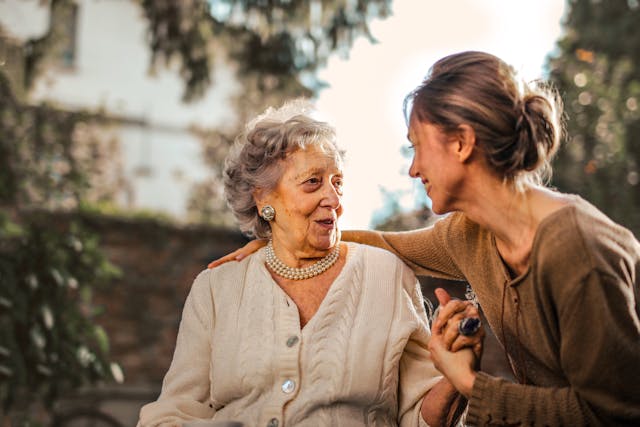
- Touch: Holding their hand, brushing their hair, or applying a gentle lotion.
- Sound: Playing music from their youth, reading a favorite book aloud, or simply talking to them about your day.
- Smell: Using familiar scents like lavender, vanilla, or the smell of a favorite flower.
Prioritizing Palliative and Hospice Care
It is important to understand that hospice care is not about "giving up." Instead, it is a specialized form of medical care that focuses on the quality of life. Hospice teams can provide medications to manage pain, help with physical care, and offer emotional and spiritual support to the family.
Discussing these options early in the journey can prevent unnecessary hospital visits and ensure that the final stages are spent in a calm and familiar setting.
Support for the Family and Community
Watching a friend or family member move through the 7 stages of dementia before death is one of the most challenging experiences a person can face. It is common to experience "anticipatory grief," where you begin to mourn the person even while they are still with you.
We encourage all seniors and caregivers to seek out support groups. Sharing your story with others who are on a similar path can provide immense relief and practical advice.
Remember, you cannot pour from an empty cup. Taking care of your own physical and mental health is not selfish; it is a necessary part of being a good caregiver.
Conclusion: Honoring the Journey
Understanding the 7 stages of dementia before death provides a roadmap, but it does not define the person you love. Each stage brings its own challenges, but it also brings opportunities for profound love and care.
By focusing on comfort, dignity, and the small moments of connection that remain, we can honor the lives of our seniors and ensure their final journey is handled with the grace they deserve.
As we move forward in our retirement years, let us continue to support one another with kindness and information. Whether you are currently a caregiver or simply planning for the future, know that you are not alone in this journey.
References & Further Reading
To ensure provide accurate information, we refer to the following resources:


