

A narcissist elderly mother can create deep emotional confusion for her adult children, especially when aging adds new layers of dependency, vulnerability, and family pressure.
Many adult sons and daughters struggle with guilt, anger, and exhaustion as they try to balance compassion with self-protection. Understanding what may be happening beneath the surface is the first step toward healthier boundaries and better emotional stability.
What Does It Mean to Have a Narcissist Elderly Mother?
The term narcissism refers to a pattern of behavior characterized by an inflated sense of self-importance, a strong need for admiration, and a lack of empathy for others.

When these patterns have existed for decades, they often do not disappear with age. In some cases, they become more noticeable.
A narcissist elderly mother may display behaviors such as:
- Constantly seeking attention and validation.
- Minimizing or dismissing your feelings.
- Playing the victim when confronted.
- Expecting special treatment from family members.
- Using guilt to control decisions.
It is important to understand that aging does not automatically soften personality traits. Instead, retirement, declining health, and loss of independence may intensify long-standing narcissistic tendencies.
Narcissism vs Normal Aging Challenges
Not every difficult older parent is narcissistic. Aging can bring fear, grief, chronic pain, and cognitive changes that affect mood and behavior.
However, with a narcissist elderly mother, the behavior pattern is typically lifelong. The lack of empathy and consistent need for control are not new developments.
If the same emotional manipulation or self-centered behavior existed in your childhood, it is more likely a personality pattern rather than a temporary reaction to aging.
Why Narcissistic Traits Can Intensify in Later Life
Aging often threatens the core needs of a narcissistic personality. Loss of physical strength, social status, beauty, or authority can feel devastating. For someone who relies heavily on external validation, these changes may trigger defensive behaviors.
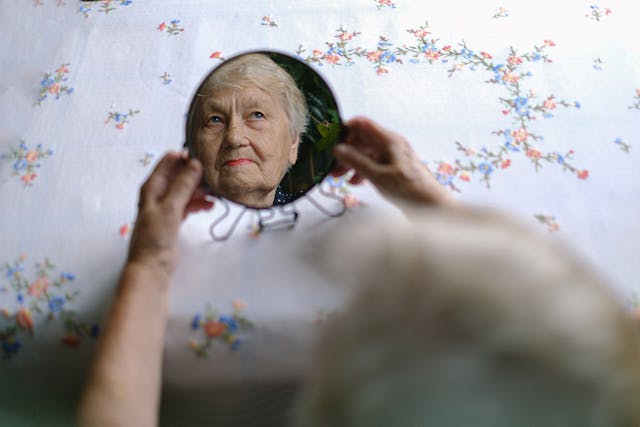
Common reasons traits may intensify include:
1. Loss of Control
Older adults may face reduced independence. When a narcissist elderly mother feels control slipping away, she may try to regain it through emotional manipulation, criticism, or dramatic reactions.
2. Fear of Abandonment
As social circles shrink, dependence on adult children increases. This may lead to clingy behavior, guilt-tripping, or emotional outbursts designed to keep you close.
3. Health Anxiety
Illness or physical decline can become a central focus. Some narcissistic parents may exaggerate symptoms or use health issues to demand attention.
Understanding these motivations does not excuse harmful behavior, but it can help you respond more calmly and strategically.
Common Signs of a Narcissist Elderly Mother
Recognizing patterns can help you avoid self-blame. Here are several common signs.
Emotional Manipulation
You may hear statements such as:
- "After everything I did for you, this is how you treat me."
- "You are the only one who cares about me."
- "If you loved me, you would do this."
These comments are designed to trigger guilt and compliance.
Lack of Empathy
If you share your struggles, she may redirect the conversation back to herself. Your feelings may be dismissed as unimportant or exaggerated.
Triangulation Between Siblings
A narcissist elderly mother may compare siblings, spread misinformation, or create competition to maintain control and attention.
Public Charm, Private Criticism
In public, she may appear charming and generous. In private, she may be critical, demanding, or emotionally distant. This contrast can make you question your own perceptions.
Emotional Impact on Adult Children
Growing up with narcissistic parenting leaves long-term effects. When the parent ages, unresolved childhood wounds may resurface.

Common emotional reactions include:
- Chronic guilt.
- Anxiety before visits or phone calls.
- Feeling responsible for her happiness.
- Anger mixed with shame.
- Emotional exhaustion.
Many adult children of a narcissist elderly mother feel trapped between societal expectations of caregiving and the need to protect their own mental health.
It is important to remember that you are not responsible for managing another adult's emotions.
Practical Strategies for Dealing With a Narcissist Elderly Mother
You cannot change her personality, but you can change how you respond. These strategies can help you maintain balance.
1. Set Clear Boundaries
Boundaries are limits you set to protect your emotional energy. They might include:
- Limiting phone calls to certain times.
- Refusing to engage in insulting conversations.
- Saying no to unreasonable demands.
Be calm and consistent. You do not need long explanations. A simple, firm response is often more effective.
2. Use the Gray Rock Method
The gray rock method involves becoming emotionally neutral during interactions. Provide short, factual answers. Avoid reacting to provocations.
For example:
Instead of defending yourself in a long argument, respond with, "I understand you feel that way."
This reduces the emotional reward for dramatic behavior.
3. Do Not Argue About Reality
Trying to convince a narcissist elderly mother that she is wrong often leads to circular arguments. Focus on practical solutions instead of winning debates.
4. Share Caregiving Responsibilities
If possible, involve siblings or professional caregivers. You are not required to handle everything alone. Delegating tasks reduces resentment and burnout.
5. Seek Professional Support
Therapy can help you process childhood experiences and develop healthier coping mechanisms. A support group for adult children of narcissistic parents can also reduce feelings of isolation.
Balancing Compassion and Self-Protection
It is natural to feel sympathy for an aging parent. Even a narcissist elderly mother may face loneliness, illness, and fear. Compassion is healthy, but it must include yourself.
Ask yourself:
- What level of involvement feels sustainable for me?
- What behaviors am I no longer willing to tolerate?
- What support do I need to stay emotionally stable?
Self-care is not selfish. It is necessary for long-term caregiving.
Healthy self-care may include:
- Regular exercise.
- Time with supportive friends.
- Journaling.
- Meditation or prayer.
- Limiting exposure after difficult interactions.
When you protect your mental health, you are better equipped to make thoughtful decisions rather than reactive ones.
When to Consider Limited or Structured Contact
In some situations, constant exposure is damaging. If interactions consistently harm your mental health, you may need to adjust the level of contact.
Options include:
- Short, scheduled visits.
- Communicating mainly by text.
- Bringing a third person to family meetings.
- Working through legal or financial matters with professionals.
Every family dynamic is unique. The goal is not punishment. The goal is emotional safety.
Final Thoughts
Living with or caring for a narcissist elderly mother is emotionally complex. Love, resentment, duty, and exhaustion often exist at the same time. While you cannot rewrite the past or transform her personality, you can choose healthier patterns for yourself.
Recognizing the traits of a narcissist elderly mother allows you to step out of automatic guilt and into intentional boundaries. You are allowed to care without sacrificing your mental health. You are allowed to feel compassion without tolerating manipulation. Most importantly, you are allowed to protect your emotional well-being while navigating the challenges of aging and family responsibility.
See Also: A Guide to Expression of Sympathy for Loss of Mother
With clarity, support, and consistent boundaries, it is possible to manage this relationship in a way that preserves both dignity and personal peace.


