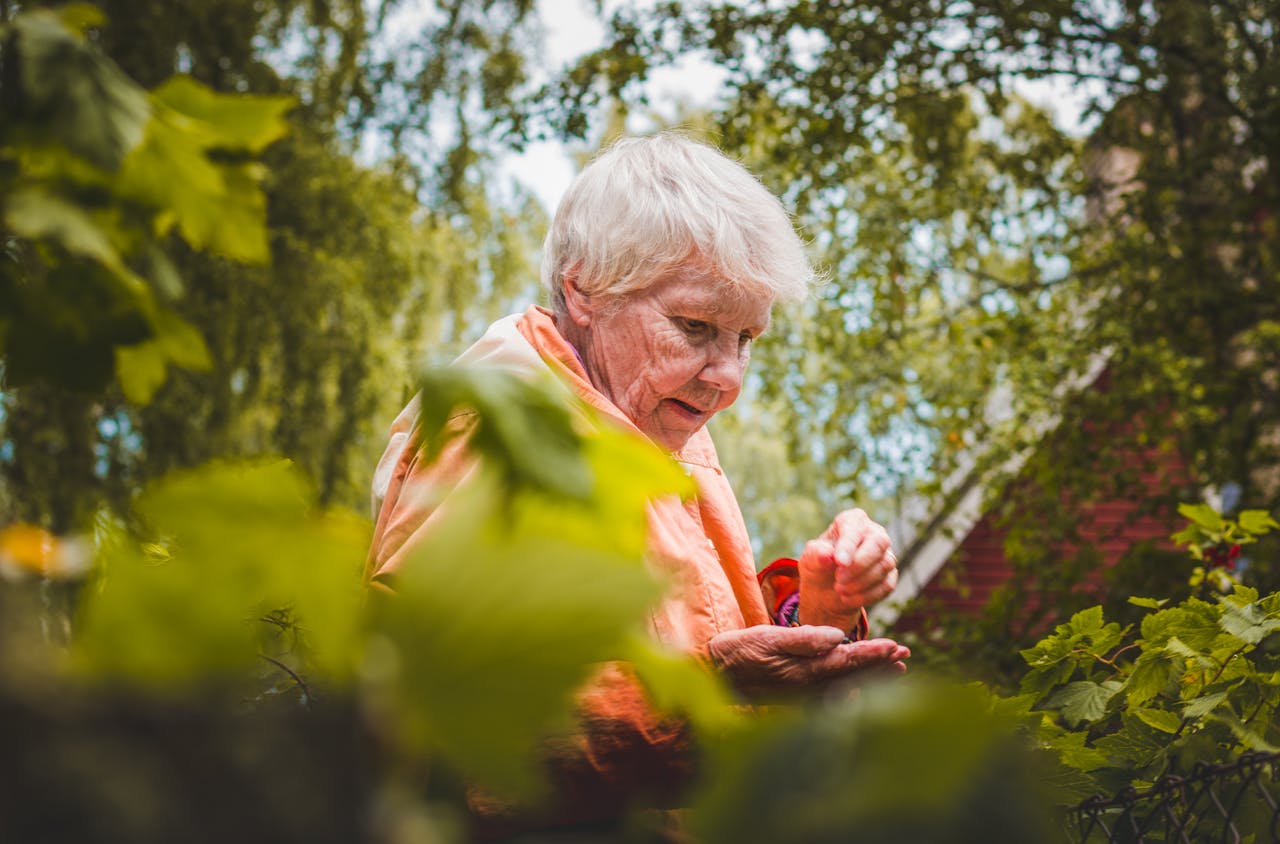

Sensory activities for seniors offer clear methods to keep the five senses active and support independence in retirement. These approaches use everyday items and require little time or money. They help maintain cognitive sharpness and physical coordination through regular, low effort practice.
Sensory Decline Creates Specific Obstacles in Retirement Living
Reduced vision often means struggling with small print on medication labels or distinguishing ripe fruit from spoiled produce at the market. This leads to errors in meal preparation and increased dependence on family members for shopping trips.
Hearing changes make it hard to follow conversations during family gatherings or to hear the doorbell clearly, which cuts back on spontaneous social visits and leaves many retirees missing parts of television programs or radio news.
Taste buds lose sensitivity over the years, causing meals to seem unappealing and resulting in skipped dinners or poor nutrition that shows up in lower energy levels within weeks. Touch sensitivity drops as well, making it tougher to button shirts, hold utensils steadily, or judge water temperature safely during bathing.
These changes compound over months and lead to a narrower range of daily tasks, slower completion of household chores, and higher frustration levels when simple actions take longer than before. Without targeted input, the brain receives less stimulation, which slows reaction times and reduces confidence in moving around the home independently.
Sensory Activities for Seniors to Restore Engagement Across the Senses
Sensory activities for seniors focus on one or more senses at a time and fit into short sessions of 10 to 30 minutes. The following sections outline options for each sense with step by step guidance and required materials.
Adaptations allow participation even with limited mobility or arthritis. Each activity uses items found in most homes or purchased cheaply at a local store.
1. Touch Focused Activities
Touch based sensory activities for seniors strengthen hand muscles and improve grip while delivering immediate feedback to the nervous system.
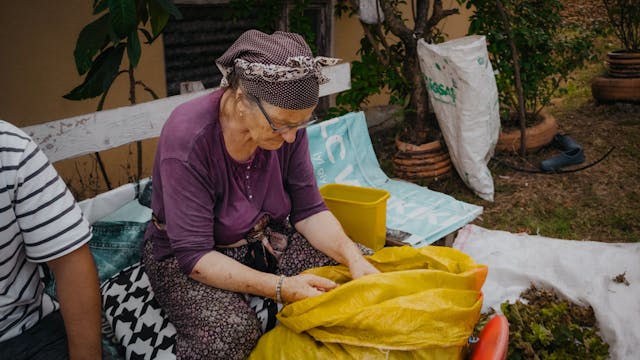
- Fill a large bowl with dry beans, pasta shapes, or uncooked rice. Hide small household objects like coins, buttons, or keys inside. Sit at a table and sort or identify the items by feel alone with eyes closed. Repeat for five minutes twice daily to build finger agility and sensory feedback. This exercise directly improves the ability to locate keys in a pocket or sort laundry without visual cues.
- Use fabric scraps of varying textures such as velvet, burlap, silk, and corduroy. Rub them between fingers or against the skin on arms and legs. Perform the rubbing while seated in a comfortable chair for ten minutes. The varied surfaces stimulate nerve endings and can be done while listening to the radio.
- Plant herbs or flowers in small pots and tend to the soil with bare hands. The cool damp earth provides varied pressure and temperature cues that engage the palms and fingertips. Water the plants daily and note changes in soil texture as they grow.
- Assemble a texture board by gluing different materials like sandpaper, cotton balls, aluminum foil, and felt onto a piece of cardboard. Run hands over it slowly each morning to note differences in roughness or smoothness. Keep the board on a side table for easy access during the day.
These touch exercises translate to better handling of utensils during meals and steadier grip on handrails when walking.
2. Smell Based Activities
Smell stimulation reconnects seniors with appetite signals and memory recall in a direct way.

- Collect fresh herbs or spices from the kitchen pantry such as cinnamon, basil, or garlic. Sniff them one by one while naming the scent aloud or writing it down. Keep a short list of favorites and add them to meals later in the week. Sessions last ten minutes and require no special tools.
- Arrange fresh flowers or dried potpourri in a vase. Inhale deeply during the arrangement process and identify each scent. Place the finished arrangement on the dining table where it remains visible and fragrant for several days.
- Bake simple recipes like oatmeal cookies or banana bread and focus on the aromas released at each stage from mixing to cooling. The process encourages light movement around the kitchen and provides a finished product to share or eat.
These practices help restore enjoyment of food and reduce the risk of under eating caused by bland flavors.
3. Taste Exploration Sessions
Taste activities encourage mindful eating and introduce variety into the daily diet without complicated recipes.

- Prepare small samples of foods with contrasting flavors such as sweet apple slices, sour lemon wedges, salty crackers, and bitter dark chocolate. Taste slowly one at a time and describe the sensations to a family member or record them in a notebook. Limit portions to avoid overeating.
- Participate in blind taste tests with family members using common pantry items like different cheeses or fruits. Cover the eyes with a soft cloth and guess each item based on taste alone. This adds a light social element while sharpening taste discrimination.
- Grow edible plants like mint, basil, or cherry tomatoes on a windowsill and incorporate them into meals. Pinch off a leaf or fruit and taste it fresh from the plant. The immediate contrast between garden fresh and store bought flavors provides clear feedback.
Regular taste work combats the flattening of flavors that often accompanies aging and supports better nutritional intake.
4. Sight Stimulation Practices
Clear visual input supports spatial awareness and reduces the chance of trips or falls inside the home.
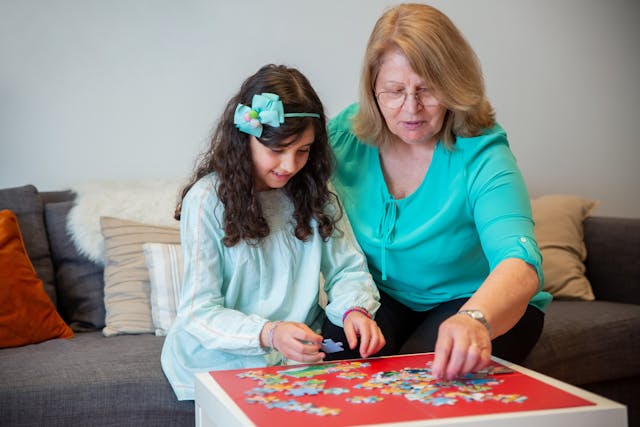
- Complete large piece jigsaw puzzles or adult coloring books with bold patterns and thick lines. The focused looking improves concentration and hand eye coordination. Store puzzles in a flat box for easy setup on a table.
- Observe birds or neighborhood activity through a window with binoculars if available. Keep a simple log of sightings such as colors or behaviors to track patterns over weeks. This activity requires only a chair by the window.
- Flip through old photo albums and describe details in each picture such as clothing colors or background objects. Spend fifteen minutes per session to reinforce visual memory and spark conversation if others are present.
5. Sound Engagement Options
Sound activities aid hearing clarity and provide structure to the day.

- Listen to music playlists from different eras on a simple speaker or headphones. Tap along with the rhythm using hands or feet. Adjust volume to a comfortable level and note which songs feel easiest to follow.
- Play simple percussion instruments like shakers made from plastic bottles filled with beans or small bells. Match beats to recorded songs for ten minutes. The physical action combines movement with auditory feedback.
- Record and replay nature sounds or family voices on a phone or basic recorder for identification practice. Listen carefully and name the sound or speaker each time.
Integrating Sensory Activities for Seniors into Weekly Schedules
To gain consistent results, schedule sensory activities for seniors three to five times per week at the same time each day. Morning sessions work well for higher energy levels while evening ones promote relaxation before bed.
Track progress in a small notebook by noting which activities felt easiest or most enjoyable after each session. Combine senses when possible, such as listening to music while sorting textures or smelling herbs during a taste test, for compounded benefits.
Family members or caregivers can join without pressure, turning the time into shared routine rather than a chore. After four weeks most participants notice easier buttoning of clothes, stronger grip on cups, and clearer enjoyment of meals.
Safety Considerations and Adaptations
Always choose non toxic materials and avoid items that pose choking hazards for anyone with swallowing difficulties. For those with allergies, substitute safe alternatives like unscented fabrics for scented ones or plastic tools instead of metal.
Seated versions of standing activities maintain accessibility, such as placing the sensory bin on a lap tray. Consult a doctor before starting if balance issues or recent medical changes exist. Start with one sense per day to prevent fatigue and build up gradually. These adjustments ensure the activities remain practical and sustainable for long term use.
Sensory activities for seniors deliver measurable improvements in mood stability and task completion speed after several weeks of consistent practice.
See Also: Crafts for Seniors
By addressing the specific sensory obstacles outlined earlier through these targeted exercises, retirees regain confidence in handling daily responsibilities and maintain a wider range of independent activities. Incorporate them steadily to support ongoing autonomy and quality of life.


