

A healthy breakfast for seniors establishes the nutritional foundation for the entire day. As the body matures, its metabolic rate naturally slows down, and the efficiency of nutrient absorption can decrease.
This biological shift means that every meal must be more nutrient-dense to maintain muscle mass, bone density, and cognitive function. Skipping the morning meal or relying on processed, sugary options often leads to energy crashes and leaves critical nutritional gaps.
Focusing on specific, high-quality food groups ensures that energy levels remain stable and bodily functions operate at their best. A strategic approach to the first meal of the day is a practical way to manage long-term health and vitality.
Nutritional Challenges Addressed by a Healthy Breakfast for Seniors
Many older adults experience a reduced appetite or find that their digestive system becomes more sensitive over time. These changes make the composition of the first meal highly critical. A healthy breakfast for seniors actively combats age-related muscle loss, also known as sarcopenia, by delivering a concentrated source of protein early in the day.
When the body goes without food overnight, it enters a catabolic state where it may break down muscle tissue for energy. Eating protein in the morning halts this process. Furthermore, proper morning nutrition aids in managing blood sugar levels, reducing the risk of insulin resistance and type 2 diabetes.
Relying on a balanced morning meal also supports gastrointestinal health. Slower digestion is a common concern, and a meal rich in fiber keeps the digestive tract moving efficiently. By addressing these specific physiological needs, a structured morning routine becomes a powerful tool for maintaining physical independence.
Essential Components of a Healthy Breakfast for Seniors
Building a proper morning meal does not require complicated recipes or expensive specialty foods. It comes down to combining specific macronutrients and micronutrients that target bone health, muscle maintenance, and sustained energy.
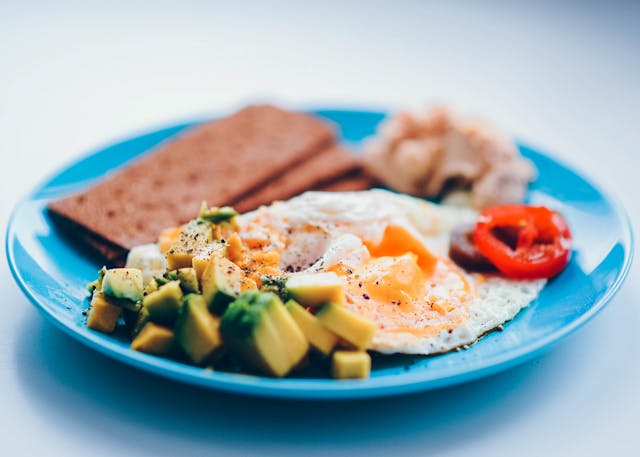
1. Lean Protein Sources
Protein is the most critical component to include in a healthy breakfast for seniors. It provides the amino acids necessary to repair tissues and maintain muscle strength.
- Eggs: A highly bioavailable protein source that also contains choline, which is beneficial for brain health.
- Greek Yogurt: This option provides double the protein of regular yogurt and also delivers beneficial probiotics for gut health.
- Cottage Cheese: Low in fat but high in protein and calcium, making it an excellent base for a meal.
2. Complex Carbohydrates and Fiber
Energy should come from slow-burning carbohydrates rather than refined sugars. Fiber is equally important for heart health and digestion.
- Oatmeal: Steel-cut or rolled oats contain beta-glucan, a type of soluble fiber that helps lower cholesterol levels.
- Whole Grain Bread: Look for 100% whole wheat or sprouted grain bread to ensure maximum fiber and B vitamins.
- Quinoa: While often thought of as a dinner grain, cooked quinoa makes an excellent warm breakfast bowl packed with fiber and protein.
3. Healthy Fats
The brain is composed largely of fat, and healthy dietary fats are required for the absorption of vitamins A, D, E, and K.
- Walnuts and Almonds: These nuts provide omega 3 fatty acids and vitamin E.
- Chia Seeds and Flaxseeds: Easily stirred into yogurt or oatmeal, these seeds offer a massive fiber and healthy fat boost.
- Avocado: A source of monounsaturated fats that support cardiovascular health.
Practical Meal Concepts for Daily Nutrition
Understanding the theory is only useful if it translates to the kitchen. These practical combinations show how easily a healthy breakfast for seniors can be assembled with minimal cooking time.

1. The High-Protein Oatmeal Bowl
Start with half a cup of rolled oats cooked in water or low-fat milk. To increase the protein content, stir in a scoop of protein powder or a half cup of liquid egg whites while the oatmeal is cooking on the stove. Top the finished oats with a tablespoon of chia seeds and a handful of blueberries. This combination delivers antioxidants, sustained energy, and muscle-supporting protein.
2. Savory Avocado and Egg Toast
Toast one slice of 100% whole grain bread. Mash one quarter of an avocado on top of the toast, which provides healthy fats and potassium. Add one or two poached or hard-boiled eggs on top. This meal provides a perfect balance of protein, healthy fats, and complex carbohydrates to keep blood sugar stable for hours.
3. Greek Yogurt Parfait
Layer three-quarters of a cup of plain, unsweetened Greek yogurt with sliced strawberries and a tablespoon of crushed walnuts. Avoid pre-flavored yogurts, as they often contain excessive amounts of added sugar. The combination of dairy protein, fruit fiber, and nut fats makes this a highly efficient meal.
Hydration Strategies to Accompany the Meal
Hydration is a frequently overlooked aspect of a healthy breakfast for seniors. The sensation of thirst often diminishes with age, meaning many older adults are mildly dehydrated without realizing it. Dehydration can lead to fatigue, confusion, and urinary tract issues.
Drinking a full glass of water alongside the morning meal is a simple habit to adopt. While coffee and tea can contribute to daily fluid intake, they should not replace pure water.
For those who prefer hot beverages, green tea is an excellent choice as it provides a gentle caffeine lift along with a high concentration of antioxidants. Avoid adding heavy creams and processed sugars to morning beverages, as these add empty calories and can cause energy crashes later in the morning.
Adapting the Morning Meal to Specific Health Conditions
A healthy breakfast for seniors is not a one-size-fits-all solution. Specific health considerations require minor adjustments to the ingredients used.
- For Hypertension: Focus on reducing sodium. Avoid processed breakfast meats like bacon or sausage. Instead, emphasize potassium-rich foods like bananas and avocados, which help regulate blood pressure.
- For Diabetes Management: Keep the glycemic load low. Pair any carbohydrates with a protein or a fat to slow down the absorption of sugar. For example, never eat a piece of fruit by itself; pair it with a handful of almonds or a spoonful of peanut butter.
- For Sensitive Digestion: If high-fiber foods cause bloating, opt for cooked vegetables and fruits rather than raw ones. Spinach omelets or stewed apples are often easier on the stomach while still providing necessary nutrients.
Evaluating daily nutritional intake and making these deliberate choices at the start of the day ensures that nutritional requirements are met efficiently. Consistency with these dietary habits supports long-term mobility, cognitive sharpness, and overall physical resilience.
References:
- National Institutes of Health (NIH). Dietary Supplements for Older Adults.
- Harvard T.H. Chan School of Public Health. The Nutrition Source: Protein, Fiber, and Healthy Fats.
- Academy of Nutrition and Dietetics. Eating Right for Older Adults.
Medical Disclaimer:
The information provided in this article is for educational and informational purposes only and is not intended as medical advice. Dietary needs can vary significantly based on individual health conditions, medications, and history. Always consult with a qualified healthcare provider or a registered dietitian before making substantial changes to your diet, especially if you are managing conditions such as diabetes, hypertension, or renal issues.


