
Your knees ache. Your energy dips by 2:00 p.m. The last thing you want is someone telling you to "get moving" like it's that simple.
But here's the thing about cardio exercises for elderly people: they don't have to look like what you see in gym commercials. In fact, the version of cardio that actually works for aging bodies is almost unrecognizable from the breathless, joint-pounding workouts you're picturing.
The Real Reason Cardio Changes Things
Most people think cardio is about the heart. That's the headline. What nobody mentions is that consistent movement rewires how your body handles fatigue.
When you stop moving because it hurts, your joints get stiffer, your stamina drops further, and the gap between "I can't" and "I used to" widens fast. Breaking that cycle doesn't require a marathon.
It requires showing up for ten minutes of walking or cycling on a recumbent bike before the fear of starting turns into the habit of avoiding.
Best Cardio Exercises for Elderly People
Let’s get to the heart of it: what are the best cardio exercises for elderly people? Not every exercise is created equal, especially when mobility or joint pain is a factor. Here are some options that are gentle, effective, and, frankly, kind of fun.
1. Walking: The Underrated Champion
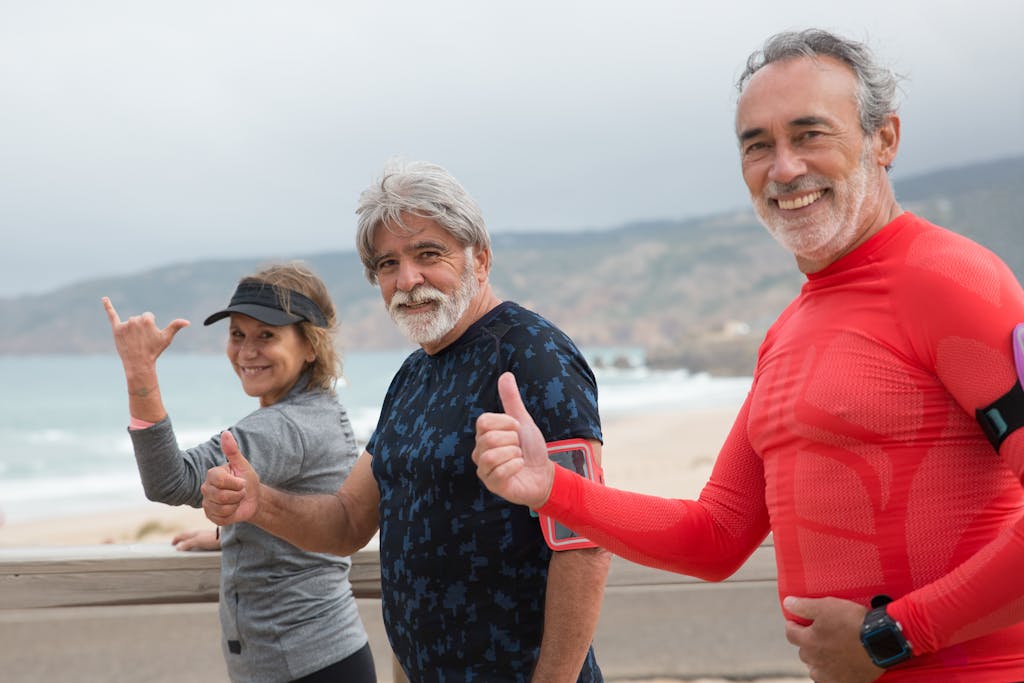
Cardio exercises for elderly people don’t get much simpler than walking, the unsung hero that gets your heart pumping without jarring your joints.It’s simple. It’s free. You can do it anywhere.

A brisk 20-minute walk around the neighborhood gets your heart pumping without jarring your joints. Start slow, maybe a stroll to the mailbox. Gradually pick up the pace. Can you feel the difference when you move just a bit faster?
Add some variety - walk in a park, take a hill, or bring a friend to chat. It’s like sowing seeds in a garden; the more you do it, the more your stamina blooms. Studies suggest 150 minutes of moderate walking per week can cut your risk of heart disease by up to 30%. That’s powerful.
2. Chair Exercises: Cardio Without Standing
For those with limited mobility, chair exercises are a revelation. Don’t let a chair fool you; it’s not just for sitting. Try seated marches, lifting your knees high as if you’re stepping over puddles. Add arm swings to mimic a boxer’s jab.
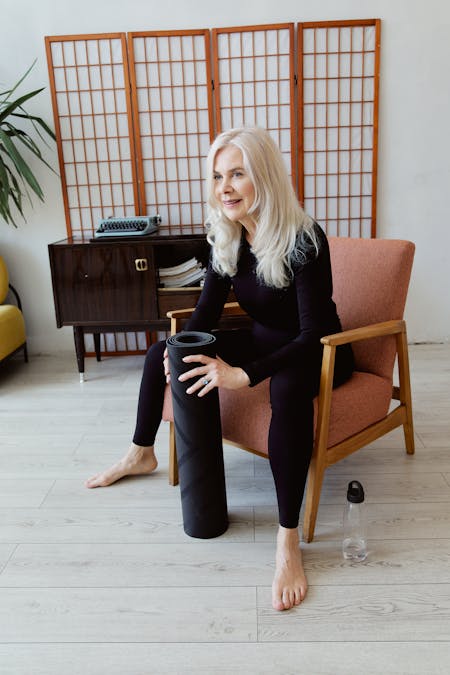
It’s surprising how fast your heart rate climbs. Why haven’t more people tried this? You can do it while watching TV, making it a sneaky way to stay active. A 10-minute session, three times a day, adds up. It’s like stacking small victories.
3. Water Aerobics: Float Your Way to Fitness
Cardio exercises for elderly people, like water aerobics, feel like dancing with the waves, offering a gentle yet effective way to boost heart health. The pool supports your body, easing pressure on joints while you move. Classes designed for seniors often include gentle jogging, leg kicks, or even noodle-based routines.
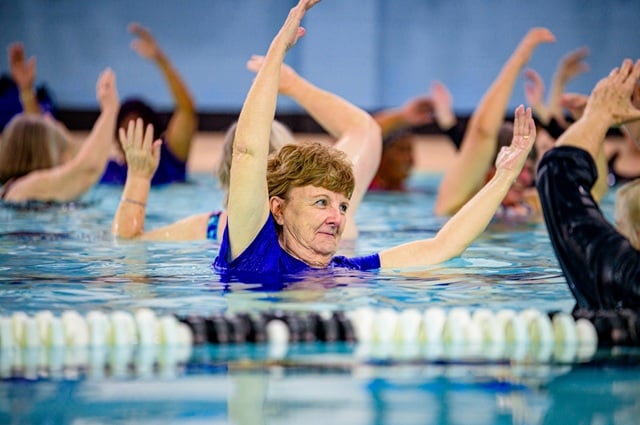
The resistance of water makes your heart work harder without feeling like a chore. Plus, it’s fun. Who doesn’t love splashing around? If you’re skeptical about group classes, start solo. Walk laps in the shallow end. The water’s embrace makes every step feel lighter.
4. Dancing: Move to the Rhythm
Dancing isn’t just for the young. Whether it’s ballroom, line dancing, or just swaying to your favorite tunes in the living room, it’s cardio in disguise. It lifts your spirits, too.
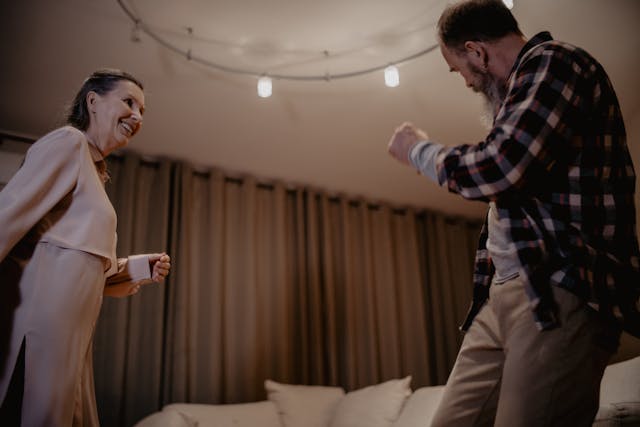
Ever notice how music makes you want to move? Put on some Frank Sinatra or ABBA and let loose. Even a slow waltz counts. It’s like painting with your body - every step adds a stroke of joy. Aim for 15-20 minutes, a few times a week. Your heart will thank you.
How to Start Safely
Starting cardio exercises for elderly people isn’t about diving in headfirst. That’s a recipe for injury or burnout. Ease in.
- Talk to your doctor first, especially if you have heart issues, arthritis, or balance problems. They’ll guide you on what’s safe.
- Start with short sessions, maybe 5-10 minutes, and build from there. Listen to your body. Pain isn’t progress; it’s a warning. Tired? Rest. Energized? Keep going. It’s like tuning an instrument - you want harmony, not strain.
- Invest in good shoes if you’re walking. Comfort is king.
- Hydrate, even if you don’t feel thirsty.
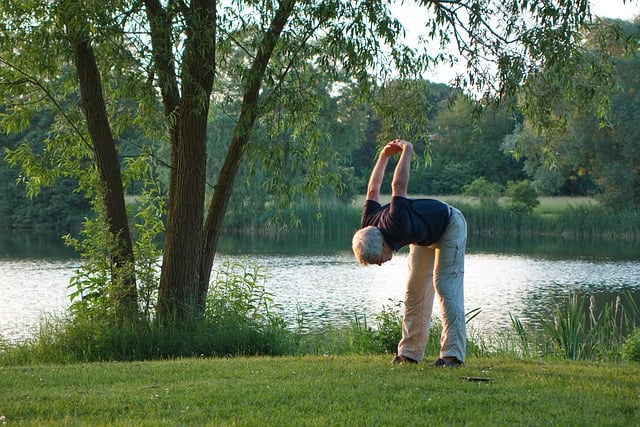
- Don’t skip the warm-up. A few gentle stretches or a slow walk preps your muscles like warming up a car on a cold morning. Cool down afterward, too. It’s not just fluff; it prevents dizziness and keeps muscles happy.
The skepticism creeps in here. Will this really make a difference? Is it worth the effort? Yes. Even small changes add up.
Read Also: 101 Things to Do When You Retire: Fulfill Your Life
The American Heart Association notes that regular light cardio, like brisk walking three times a week, can significantly boost endurance in seniors, often within a few months. That’s not nothing. It’s the difference between struggling to climb stairs and doing it with ease.
Overcoming Common Barriers
Starting anything new is hard. Time’s tight. Cardio exercises for elderly people can seem daunting when time feels tight or motivation wanes, but they’re more manageable than you think.
Motivation wanes. Maybe you’re worried about looking silly or falling. Those are real hurdles, but they’re not walls. No time? Break it into 10-minute chunks. No energy?
Start with something fun, like dancing to a song you love. Worried about falling? Stick to seated exercises or use a sturdy chair for support. It’s like clearing a cluttered room - one step at a time, and suddenly there’s space to move.
Find a buddy. A friend or family member makes it social, not a chore. Join a senior fitness class if you’re up for it. The community vibe is infectious.
Read Also: 12 Best Hobbies for Retired Men to Stay Active and Happy
Can’t afford a class? YouTube has free videos tailored for seniors. The excuses start to crumble when you see how doable this is.
Keep the Momentum Going
Cardio exercises for elderly people aren’t a one-and-done deal. It’s a lifestyle. Track your progress to stay motivated. Maybe jot down how far you walked or how long you danced.
Seeing improvement is like watching a flower bloom - slow but thrilling. Mix it up to avoid boredom. Walk one day, try chair exercises the next. Reward yourself. A new pair of sneakers or a favorite treat can keep the excitement alive.
Read Also: Why is a Recovery Period Between Bouts of Exercise Important?
Don’t let setbacks derail you. A bad day or a missed week isn’t failure. It’s just a pause. Pick it back up. Your heart, your energy, your life - they’re worth it. Cardio is your ticket to feeling alive, like a kite catching the wind after years on the ground. Keep moving. You’ve got this.


