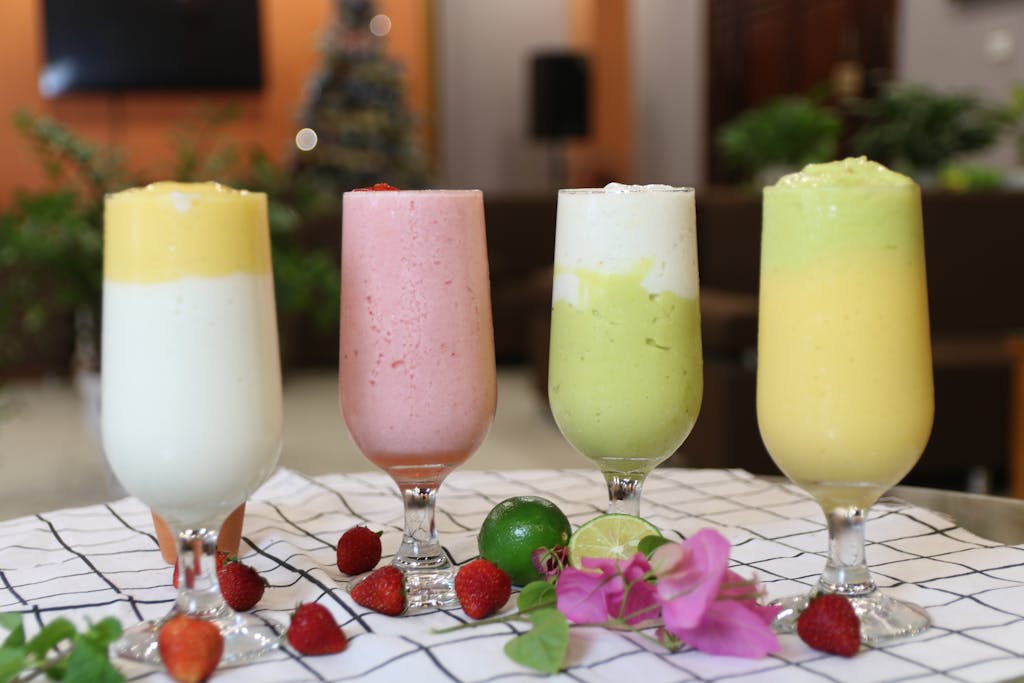

Healthy smoothies for elderly individuals can be a practical way to meet daily nutrition needs when appetite, chewing ability, or energy levels decline. From the first sip, healthy smoothies for elderly adults should focus on real benefits: easier digestion, balanced nutrients, and ingredients that support common age-related conditions.
Common Nutrition Challenges in Older Adults
Many older adults face specific, recurring nutrition issues. These challenges often lead to skipped meals or unbalanced diets, even when food is available.
Some of the most common problems include:
- Reduced appetite caused by medications, illness, or changes in taste and smell
- Chewing or swallowing difficulty due to dental issues or muscle weakness
- Digestive sensitivity, including bloating or constipation
- Higher protein needs combined with lower overall calorie intake
- Risk of dehydration, especially for those who do not feel thirsty often
These factors can result in weight loss, muscle loss, fatigue, and weakened immunity. Liquids and semi-liquid foods are often easier to tolerate. Smoothies, when prepared correctly, can deliver calories and nutrients without feeling heavy.
See Also: Appetite Stimulants for Elderly
Healthy Smoothies for Elderly: What Makes Them Appropriate
Not all smoothies are suitable for older adults. A smoothie designed for teenagers or athletes may contain too much sugar, too much fiber at once, or ingredients that irritate digestion. Healthy smoothies for elderly adults should be adapted to their physical and metabolic needs.
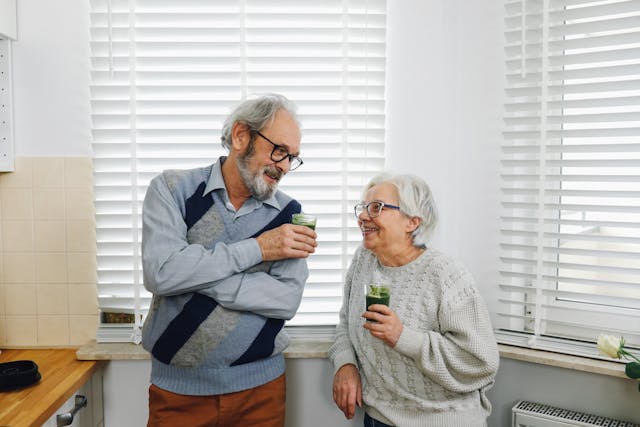
Key characteristics include:
- Moderate calorie density, not overly diluted
- Balanced protein, carbohydrate, and fat
- Low to moderate natural sugar
- Easy-to-digest ingredients
- Simple preparation and short ingredient lists
Texture also matters. Smoothies should be fully blended with no chunks, seeds, or fibrous strands unless the person can chew comfortably.
Core Nutrients to Prioritize in Elderly Smoothies
Choosing the right nutrients helps ensure each smoothie delivers meaningful health benefits without adding unnecessary strain on digestion or metabolism.
Protein for Muscle and Strength
Protein intake often drops with age, yet needs increase. Smoothies can help close this gap.
Good protein options include:
- Plain Greek yogurt
- Soft tofu
- Unsweetened soy milk
- Whey or plant-based protein powder without added sugar
Aim for 15 to 25 grams of protein per smoothie, depending on body size and medical advice.
Fiber for Digestive Health
Fiber supports digestion, but too much at once can cause discomfort. Use gentle sources.
Examples:
- Oats, soaked or finely blended
- Ripe bananas
- Cooked and cooled sweet potato
- Chia seeds in small amounts
Introduce fiber gradually, especially for those prone to bloating.
Healthy Fats for Calories and Brain Function
Fats increase calorie content without increasing volume, which is useful for small appetites.
Recommended sources:
- Avocado
- Nut butters, smooth and unsweetened
- Olive oil in small amounts
- Ground flaxseed
These fats also support heart and brain health.
Micronutrients for Bone and Immune Support
Smoothies are an efficient way to deliver vitamins and minerals.
Focus on ingredients rich in:
- Calcium and vitamin D for bones
- Vitamin B12, especially for those eating little animal food
- Potassium for blood pressure balance
- Antioxidants from fruits and vegetables
Ingredient Selection: What to Use and What to Limit
Ingredient choices determine not only nutritional value but also how well a smoothie is tolerated by older adults on a daily basis.
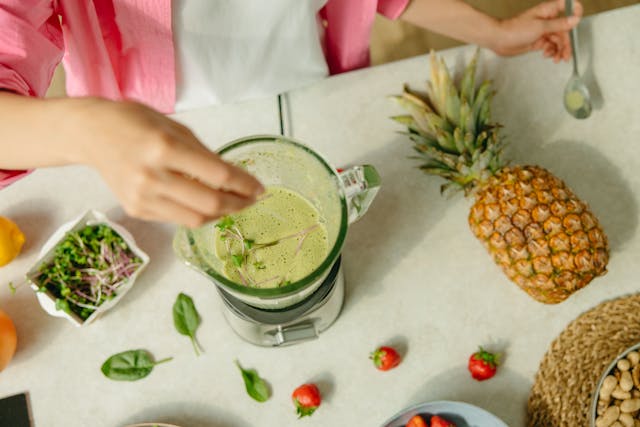
Recommended Base Ingredients
The liquid base affects digestion and nutrient absorption.
Good options include:
- Water plus yogurt
- Lactose-free milk
- Unsweetened almond or soy milk
- Low-sodium bone broth for savory smoothies
Avoid sweetened plant milks with added sugar.
Fruits and Vegetables That Work Well
Choose produce that blends smoothly and is gentle on the stomach.
Well-tolerated choices:
- Berries, fresh or frozen
- Ripe pears, peeled
- Cooked carrots or pumpkin
- Spinach in small amounts
Rotate ingredients to avoid monotony and nutrient gaps.
Ingredients to Limit or Avoid
Some popular smoothie ingredients are not ideal for seniors.
Limit:
- Honey, syrup, or added sugar
- Raw cruciferous vegetables in large amounts
- Excess citrus if acid reflux is present
- Ice-heavy smoothies that dilute calories
Simple Healthy Smoothies for Elderly at Home
These examples focus on simplicity, nutrition, and easy digestion. Portions can be adjusted.
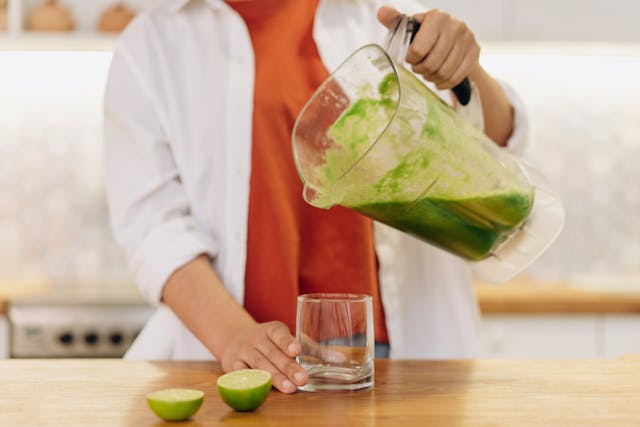
Protein-Rich Breakfast Smoothie
- 1 cup plain Greek yogurt
- 1 small ripe banana
- 2 tablespoons oats
- Water or milk to desired consistency
This supports muscle maintenance and morning energy.
Calorie-Dense Smoothie for Low Appetite
- 1 cup soy milk
- 1/4 avocado
- 1 tablespoon smooth peanut butter
- Soft berries
Useful for weight maintenance without large volume.
Gentle Digestive Support Smoothie
- 1 cup lactose-free milk
- Cooked pumpkin or sweet potato
- Cinnamon, small pinch
This option is easy on the stomach and supports regular digestion.
These examples show how healthy smoothies for elderly adults can be adapted to different needs without complex preparation.
Safety Considerations and Medical Conditions
Smoothies should align with medical guidance, especially for individuals with chronic conditions.
Important considerations:
- Diabetes: Control portion size and limit fruit-only smoothies
- Kidney disease: Monitor potassium and protein intake
- Swallowing disorders: Follow recommended thickness guidelines
- Medication interactions: Some foods affect absorption
When in doubt, consult a dietitian or healthcare provider before making smoothies a daily habit.
Practical Tips for Caregivers
Caregivers often prepare food under time constraints. Smoothies can fit into daily routines if planned well.
Helpful strategies:
- Prepare ingredients in advance and freeze portions
- Keep recipes consistent to avoid digestive surprises
- Serve smoothies at the same time daily to build routine
- Observe tolerance and adjust ingredients gradually
Consistency and observation matter more than variety.
Making Smoothies a Sustainable Habit
The goal is not to replace all meals but to supplement nutrition effectively. Smoothies can support breakfast intake, serve as a light lunch, or act as a nutrient-dense snack.
To maintain long-term use:
- Avoid overcomplicated recipes
- Focus on taste preferences of the elderly person
- Adjust texture as physical ability changes
- Review ingredients periodically as health status evolves
When used correctly, healthy smoothies for elderly individuals provide a practical solution to everyday nutrition challenges without forcing large meals or uncomfortable eating.
Final Thoughts
Healthy smoothies for elderly adults work best when they are simple, balanced, and adapted to individual needs. They are not a trend or a replacement for proper meals, but a practical tool for maintaining strength, energy, and overall nutrition.
With thoughtful ingredient choices and attention to tolerance, healthy smoothies for elderly people can become a reliable part of daily care and long-term well-being.
References
Disclaimer
The information provided in this article is for general educational purposes only and is not intended as medical or nutritional advice. Individual nutritional needs may vary based on medical conditions, medications, and personal health status. Always consult a qualified healthcare professional, registered dietitian, or physician before making significant dietary changes, especially for elderly individuals with chronic conditions or special dietary requirements.


