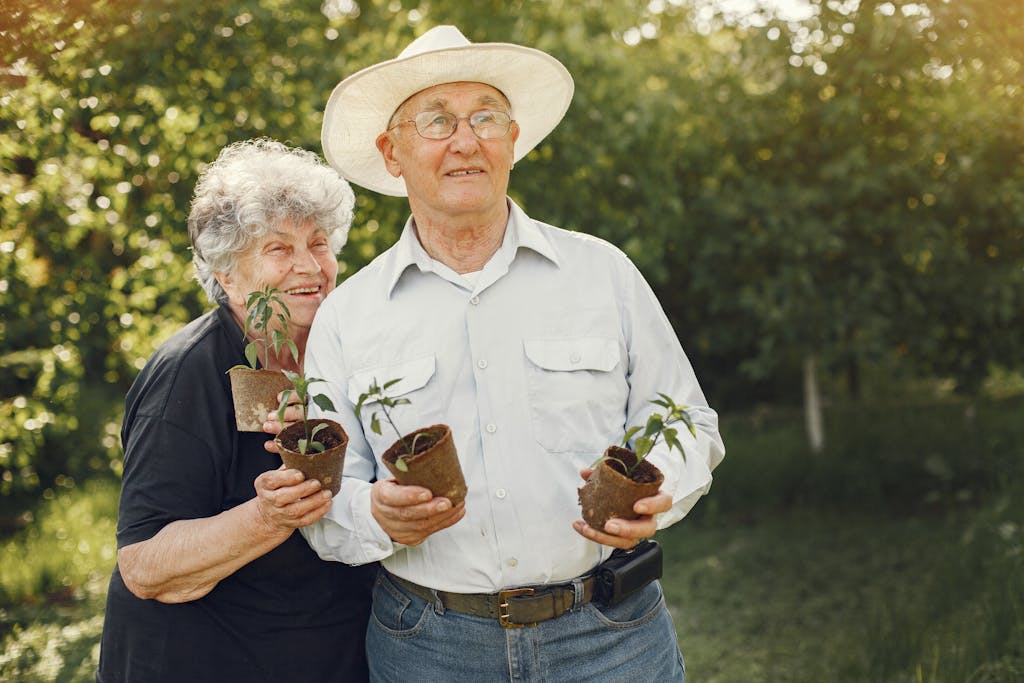

Gardening for seniors is one of the most rewarding physical activities available for older adults, but it comes with real challenges that can make or break the experience. Joint pain, balance issues, reduced stamina, and mobility limitations are not minor inconveniences. They are genuine barriers that can turn a pleasant hobby into a source of injury or discouragement.
This guide addresses those barriers directly, with practical solutions that let you keep gardening on your own terms.
Physical Limitations That Make Traditional Gardening Difficult
Standard garden setups were not designed with aging bodies in mind. Ground-level planting requires repeated bending, kneeling, and getting back up, all movements that place heavy strain on knees, hips, and lower backs.
For seniors with arthritis, osteoporosis, or joint replacements, these positions are not just uncomfortable. They carry a real risk of falls and injury.
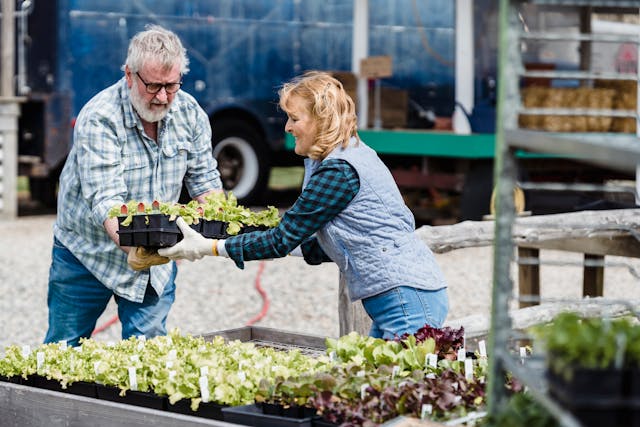
Grip strength also declines with age. Standard garden tools, designed for a younger workforce, often require more force than older hands can comfortably provide. Prolonged squeezing and twisting motions can aggravate conditions like carpal tunnel syndrome or trigger finger.
Stamina is another factor. What used to take an hour in the garden might now require multiple short sessions with rest breaks. Ignoring this reality leads to overexertion, soreness, and sometimes injury that keeps you out of the garden for weeks.
None of this means you should stop gardening. It means you need the right setup and tools for where your body is now, not where it was twenty years ago.
Raised Beds and Container Gardening for Seniors
The single most effective change you can make is eliminating the need to work at ground level. Raised garden beds and containers bring the soil up to a height where you can work comfortably while seated or standing upright.
Raised Bed Height
A raised bed between 24 and 30 inches tall is ideal for most seniors. At this height, you can tend plants while seated in a sturdy chair or while standing without bending at the waist. Beds should be no wider than 24 inches if accessible from one side, or 48 inches if accessible from both sides, so you can reach the center without straining.
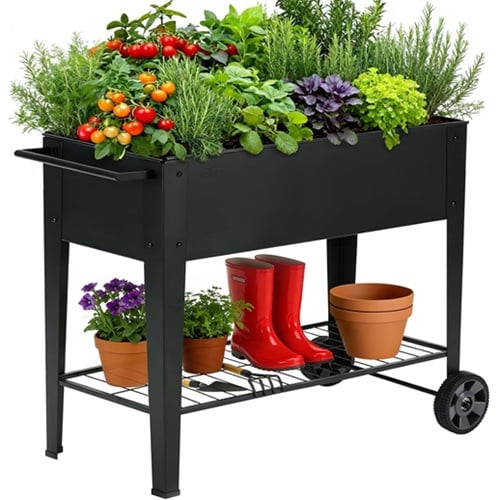
Materials matter too. Cedar and redwood are naturally rot-resistant and lightweight to handle during construction. Avoid pressure-treated lumber if you are growing edibles, as some older formulations used chemicals that can leach into soil.
Container Gardening
Large containers, troughs, and window boxes on tables or stands offer similar benefits. They are also more flexible than permanent raised beds. You can move them to follow the sun, bring them inside during extreme weather, or rearrange your garden without any construction.
When selecting containers, choose lightweight materials like fiberglass or fabric grow bags rather than heavy ceramic or concrete pots. A large terracotta pot filled with wet soil can weigh well over 50 pounds, which creates a fall hazard when repositioning.
Tools Designed for Gardening for Seniors
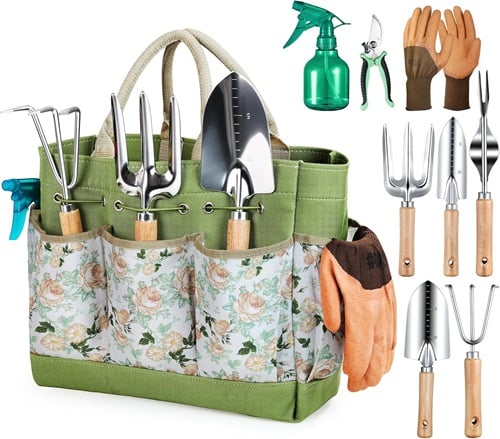
Using the wrong tools is one of the quickest ways to cause hand and wrist pain. Standard garden tools can be adapted or replaced with versions specifically designed to reduce joint strain.
Key Tool Features to Look For
- Extended handles: Long-handled tools with ergonomic grips let you weed, plant, and rake without bending. Look for handles between 48 and 54 inches.
- Padded or contoured grips: Foam or rubber grips reduce the force needed to hold a tool securely, which is especially helpful for arthritic hands.
- Lightweight construction: Aluminum and fiberglass shafts weigh significantly less than traditional wood without sacrificing durability.
- Ratcheting pruners: These cut in stages with minimal hand pressure, making pruning accessible even with limited grip strength.
- Kneelers with handles: If you do need to work at ground level, a garden kneeler with side handles lets you lower yourself down and push back up safely. Many models double as a low seat when flipped over.
Avoid sharp changes in tool angle during use. Straight-handle tools are often more ergonomic than angled ones for sustained work, since they keep the wrist in a more neutral position.
Safe Practices to Prevent Injury
The gardening space is only part of the equation. How you work in that space matters just as much.
1. Warm Up Before You Start
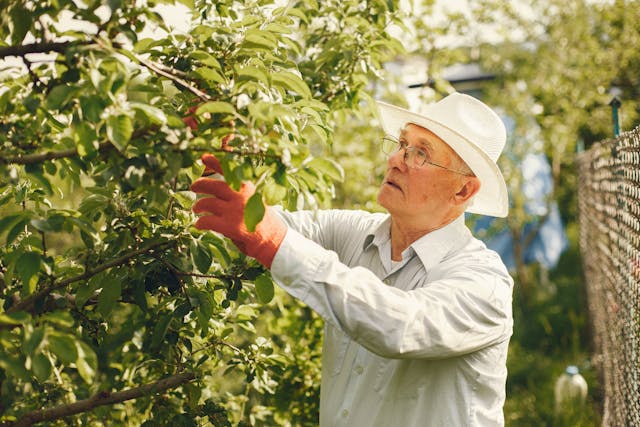
Light stretching before gardening reduces the risk of muscle pulls. Focus on your shoulders, wrists, lower back, and hips. Five to ten minutes is sufficient.
2. Work in Short Intervals
Plan your gardening in sessions of 20 to 30 minutes with rest breaks in between. Set a timer if you tend to lose track of time. Overexertion is the most common cause of post-gardening pain in older adults.
3. Stay Hydrated
Older adults are more susceptible to dehydration, and the effects, including dizziness and impaired coordination, increase fall risk. Keep water within reach at all times. Garden in the morning or late afternoon to avoid peak heat hours.
4. Wear Proper Footwear
Closed-toe shoes with non-slip soles are essential. Sandals and garden clogs provide inadequate ankle support and increase the chance of a trip or fall on uneven ground. If balance is a concern, consider using a cane or a rollator walker with a built-in seat for outdoor use.
5. Tell Someone You Are in the Garden
This is practical, not paranoid. If you live alone or are working in a section of the yard not visible from the house, let someone know you are outside. A medical alert device worn on the wrist or around the neck is a worthwhile investment for solo gardening.
Best Plants for Seniors
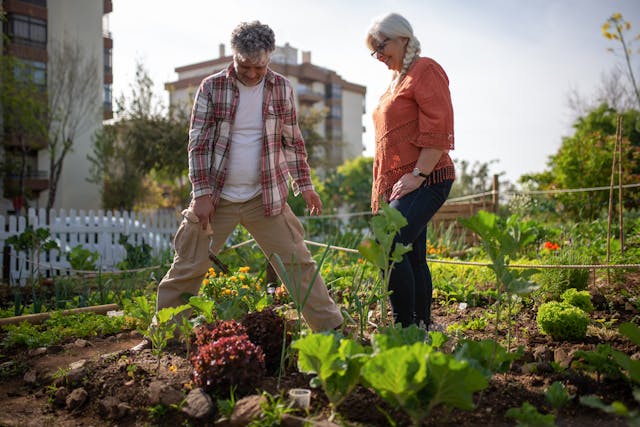
Choosing plants that match your physical capacity makes a significant difference in how enjoyable and sustainable gardening for seniors can be.
1. Low-Maintenance Vegetables
- Lettuce and salad greens: Fast-growing, shallow-rooted, and easy to harvest. They thrive in containers and raised beds.
- Cherry tomatoes: Productive and manageable. Choose determinate varieties that stay compact and do not require heavy staking.
- Bush beans: No trellising required, ready to harvest in about 50 days, and simple to plant.
- Herbs (basil, chives, mint, parsley): Most herbs are compact, grow well in small containers, and are harvested a little at a time.
2. Low-Maintenance Flowers and Perennials
- Marigolds: Long-blooming, pest-repellent, and require very little attention once established.
- Black-eyed Susans: Hardy perennials that return each year with minimal intervention.
- Lavender: Drought-tolerant once established and requires only occasional trimming.
Avoid plants with aggressive root systems or those requiring heavy annual replanting. Perennials, plants that return each year, reduce the physical work of replanting every season.
Adapting the Garden Layout for Safety and Accessibility
The physical layout of your garden has a direct impact on safety and ease of use.
1. Pathways
Pathways between beds should be at least 36 inches wide, or 48 inches if you use a walker or wheelchair. Surfaces should be firm and level. Loose gravel, stepping stones with gaps, and soft mulch create trip hazards. Packed decomposed granite, pavers with tight joints, and concrete are all stable options.
2. Seating
Incorporate a sturdy outdoor seat near your main gardening area. A garden bench or chair gives you a place to rest between tasks without having to walk back inside. Lightweight folding stools that you can carry from bed to bed are also practical.
3. Water Access
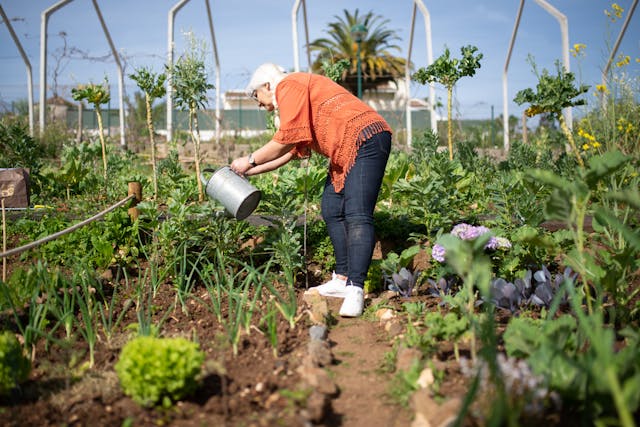
Hauling heavy watering cans is unnecessary and physically demanding. Install a drip irrigation system or use soaker hoses connected to a timer. If you water by hand, use a lightweight hose with a comfortable trigger nozzle and keep it on a reel close to where you work.
The Case for Adaptive Gardening as a Long-Term Practice
Gardening for seniors, when adapted properly, is a physical activity that can be sustained well into your 80s and beyond. The key is treating it as something worth investing in, both in terms of setup cost and the willingness to change how you work. A few hundred dollars spent on a quality raised bed, the right tools, and stable pathways is a practical investment in staying active and independent.
The garden does not have to shrink as you get older. It may change shape, height, and method, but with the right adaptations, there is no reason you cannot keep growing.


