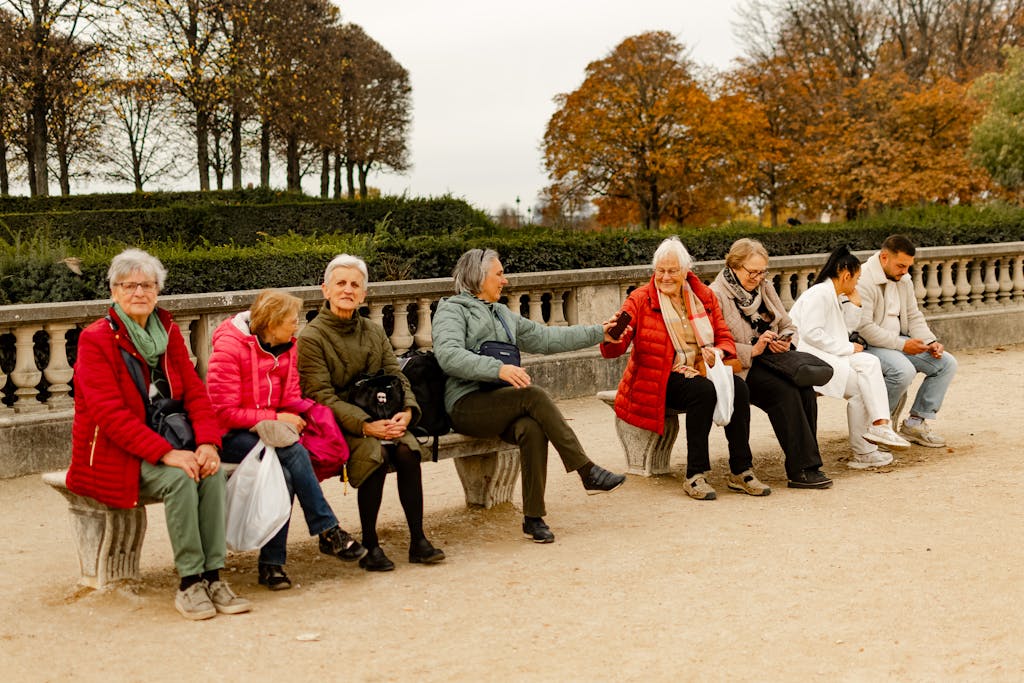

Most people over 60 have built and lost friendships many times over. Jobs ended, neighborhoods changed, health got in the way, and some friends simply drifted. The problem is not that it becomes impossible to form new connections later in life.
The real problem is that the structures that used to create friendships automatically, such as school, work, and shared daily routines, no longer exist. Without those built-in contexts, most people wait for friendships to form on their own, and they never do.
This guide focuses on concrete, actionable steps that work specifically for people in their 60s and beyond.
The Hidden Cost of Social Isolation After Retirement
Retirement removes the single biggest source of regular social contact in most adults' lives. You may not have realized how much of your social life was built around your workplace until it was gone.
Research from the National Institute on Aging consistently links chronic loneliness to higher risks of cognitive decline, cardiovascular disease, and depression in older adults. This is not about being introverted versus extroverted. Even people who genuinely enjoy solitude can experience the negative health effects of prolonged social isolation.
The challenge is not motivation. Most people who want new friends already know they should "get out more." The challenge is knowing where to go, how to follow through, and how to turn a casual encounter into an actual friendship. That requires a system, not willpower.
8 Ways to Make New Friends After 60
Each of the following methods works not because it is clever, but because it creates the conditions that friendships actually need: repeated contact, shared context, and a low-pressure reason to talk.
1. Join a Group That Meets Regularly on a Schedule
The most important variable in adult friendship formation is repeated, unplanned interaction. That phrase comes from research by psychologist Willard Waller, and it explains why workplace friendships form so naturally: you see the same people over and over without having to plan it.

To replicate that effect, join something with a fixed weekly or biweekly schedule. A book club, a walking group, a choir, a community garden, a card game group. The topic matters less than the consistency. You need to see the same faces repeatedly in a low-pressure setting before real friendship can develop.
2. Take a Class in Person, Not Online
Online learning has real value, but it does not build friendships. An in-person class at a community college, a recreation center, or a local art studio puts you in a room with people who share at least one interest. You have a built-in conversation topic before you even introduce yourself.
Look for classes that run for several weeks rather than one-day workshops. The longer the course, the more time you have to move from polite small talk to genuine familiarity. Community education programs in most cities offer affordable options in everything from painting to foreign languages to cooking.
3. Volunteer for Something with a Team Component
Volunteering solo, such as stuffing envelopes in a back room, does not create friendships. Volunteering as part of a team, where you work alongside the same group of people toward a shared goal, can. Habitat for Humanity builds, food bank shifts, community theater, and local environmental projects all involve collaborative work where conversation happens naturally.

The shared purpose also gives you something to talk about that is not personal. That lower-stakes conversation is exactly where many adult friendships begin.
4. Use Apps and Platforms Designed for Adult Friendship
Bumble BFF, Meetup, and Nextdoor are not just for younger people. Meetup in particular has a large number of groups specifically for people over 50. You can filter by age group and interest. This is not about replacing in-person interaction. These platforms are a way to find groups and events that already exist in your area but that you might not have known about.
If you are not comfortable with apps, the local library, senior center, or parks and recreation department often maintain bulletin boards and printed event calendars that serve the same function.
5. Revisit Old Interests You Set Aside During Your Working Years
Many people deprioritize hobbies during their careers and family-raising years. Those old interests, whether woodworking, cycling, amateur radio, quilting, or hiking, often have active local clubs. Returning to something you used to love is easier than starting from scratch, and walking into a club meeting with genuine enthusiasm for the subject makes conversation far less awkward.
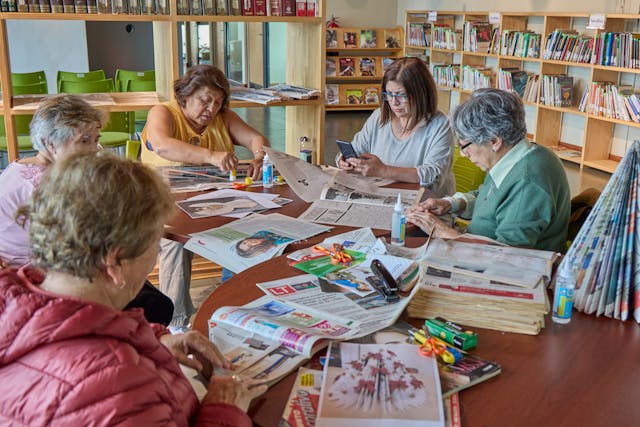
Search for local clubs through your city's parks department, community center, or a simple web search for "[hobby] club [your city]."
6. Become a Regular Somewhere
Frequency and familiarity matter. If you visit the same coffee shop, diner, bookstore, or farmers market consistently and at the same time each week, you will start to see the same people. That includes staff as well as other regulars. Relationships that start as brief, friendly exchanges can deepen over time without any formal effort to "make friends."
This works because it removes the self-consciousness of trying to connect. You are not approaching someone with an agenda. You are just showing up, and over time the repeated contact does the work.
7. Say Yes to Invitations, Even When You Do Not Feel Like It
Social confidence often follows social action, not the other way around. If you wait until you feel ready or enthusiastic, you may pass on a significant number of opportunities. If a neighbor invites you to a block party, go. If someone in your walking group suggests coffee afterward, say yes. These low-stakes extensions of existing encounters are where casual acquaintances become actual friends.
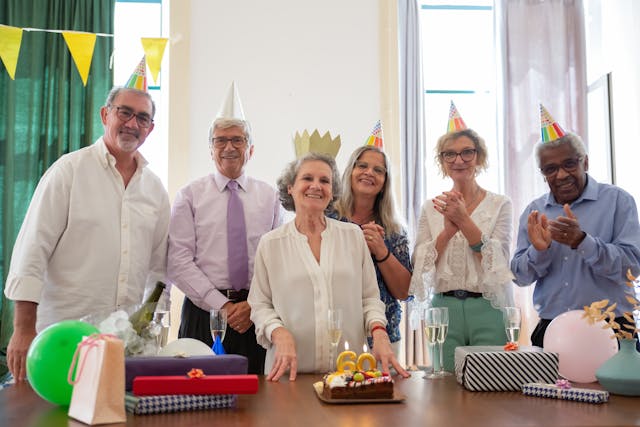
It helps to give yourself a concrete minimum: stay for one hour and then decide whether to leave. Most of the time, once you are there, the activation energy problem disappears.
8. Follow Up After Initial Contact
This is the step that most people skip. You meet someone interesting at a class or event, you have a good conversation, and then you never see them again because neither person did anything to extend the connection.
Following up does not have to be complicated. "I enjoyed talking with you. Would you want to grab coffee sometime?" is enough. You can exchange numbers, connect on Facebook, or suggest a specific upcoming event you could both attend. The follow-up converts a positive encounter into a relationship with momentum.
Managing Expectations Honestly
Not every attempt to form a new friendship will succeed, and that is normal. Adult friendships take longer to develop than the ones formed in childhood or early adulthood.
Research suggests it takes roughly 50 hours of contact to move from acquaintance to casual friend, and over 200 hours to develop a close friendship. That is not a reason for discouragement. It is a reason to be consistent and patient rather than treating each interaction as a pass-or-fail test.
Making It Happen
The 8 ways to make new friends after 60 outlined here share a common thread: they are all about creating conditions for repeated contact and low-pressure conversation.
None of them require you to be unusually outgoing or to perform some kind of social confidence you do not feel. They require showing up consistently, being modestly open, and occasionally taking the small risk of suggesting a next step.
See Also:
Pick one option from this list that fits your current schedule and interests. Start there. One consistent group activity is enough to begin building the kind of social life that makes a measurable difference in daily quality of life.


