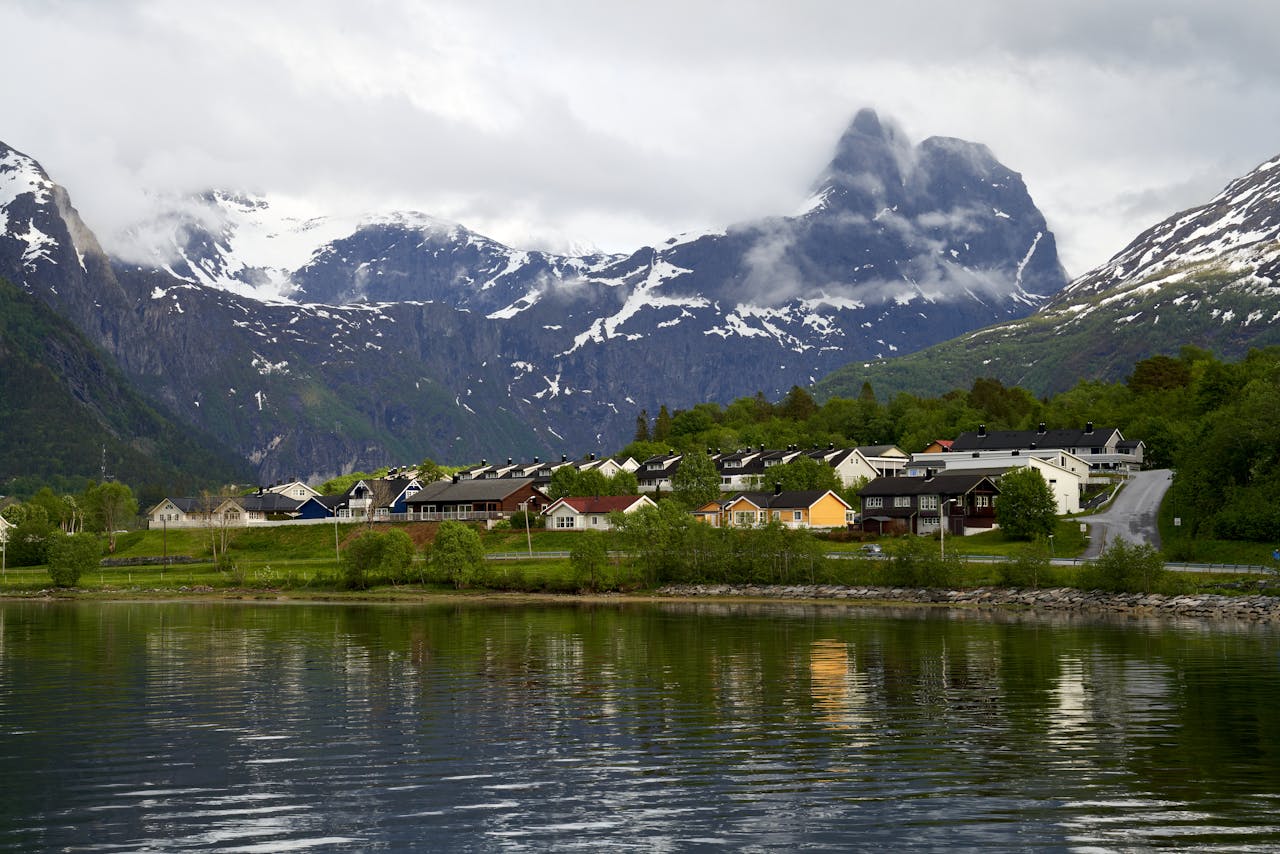

The transition into retirement is a momentous chapter, often accompanied by the desire for a profound change of scenery and pace. For many, this dream involves trading city bustle for tranquility, breathing in crisp, clean air, and waking up to panoramic vistas.
If this resonates with you, then perhaps finding one of the best mountain places to retire is the perfect next step. A mountain retirement offers a unique blend of peace, natural beauty, and a built-in community focused on outdoor well-being.
We'll walk you through the key considerations, benefits, and premier destinations that define an elevated retirement experience.
Why Choose a Mountain Setting for Your Golden Years?
Retiring in the mountains is more than just choosing a location; it is choosing a lifestyle. The inherent qualities of mountain communities often align perfectly with the needs and desires of retirees seeking health, connection, and adventure.
1. Health and Wellness Benefits
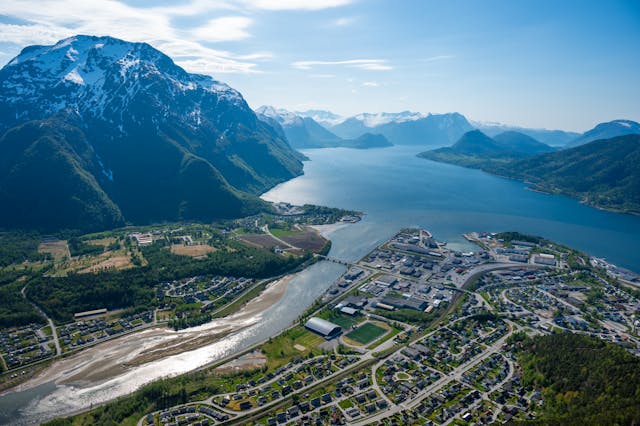
The high-altitude environment naturally encourages a more active and health-conscious life. The air quality is typically far superior to urban centers, reducing exposure to pollutants. Moreover, the setting itself promotes movement.
Whether it is a gentle hike on a well-maintained trail, snowshoeing in the winter, or simply walking the dog with a view, physical activity becomes an enjoyable part of daily life rather than a chore.
Studies consistently show that exposure to nature significantly reduces stress and improves mood, contributing to a longer, happier life.
2. A Strong Sense of Community
Mountain towns, by their nature, are often smaller and more tightly knit than sprawling cities. These communities thrive on shared appreciation for nature, local conservation, and seasonal activities.
This creates an environment where neighbors know each other and community involvement is high. For new retirees looking to forge new friendships and find a sense of belonging, the welcoming atmosphere of many mountain locales is a significant draw.
3. Potential Cost of Living Considerations
While some resort towns can be quite expensive, many charming mountain communities offer a surprisingly affordable cost of living, especially when compared to major coastal cities.
Housing costs can vary widely, but essentials like utilities and property taxes may be favorable. Crucially, the lifestyle itself promotes savings; less money is spent on commercial entertainment and more on simple, nature-based pursuits.
However, it is essential to research the cost of healthcare access in remote areas, as this can be a crucial factor.
Essential Factors When Evaluating Mountain Retirement Spots
When searching for the best mountain places to retire, a simple beautiful view is not enough. A holistic assessment of practical factors is necessary to ensure long-term comfort and security.
1. Accessibility to Quality Healthcare
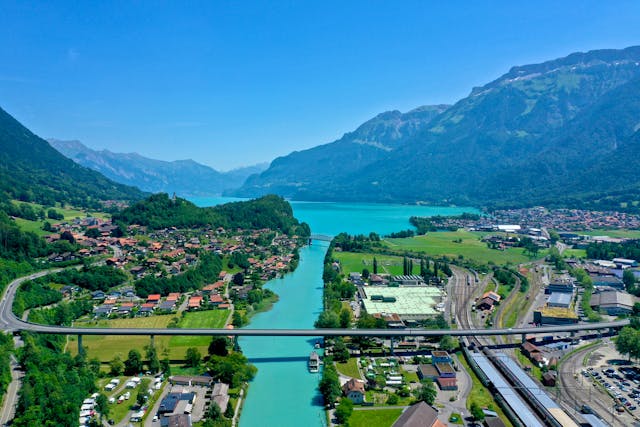
This is arguably the most critical factor for senior living. Mountain towns can sometimes be geographically isolated. While many have excellent local clinics, access to major hospitals, specialized care, and advanced medical facilities might require a drive.
- Proximity: How far is the nearest Level I or Level II trauma center?
- Availability: Are local primary care physicians accepting new patients, and how long are the typical wait times?
- Specialists: Can you easily access specialists relevant to your health needs (e.g., cardiology, physical therapy)?
See Also: Assisted Living vs. Skilled Nursing
2. Transportation and Connectivity
While a car is almost always necessary for mountain living, consider the challenges posed by severe winter weather. Infrastructure stability and road maintenance are crucial.
- Road Conditions: How well are the roads plowed and maintained during heavy snow?
- Air Travel: How close is the nearest regional or international airport for visiting family and friends?
- Internet Reliability: Excellent broadband internet is essential for staying connected, managing finances, and accessing telehealth services. Do not assume high-speed internet is a given in every remote area.
3. Climate and Seasonal Dynamics
Mountain climates can be dramatic. The gorgeous, mild summers are often balanced by challenging, snowy winters.
- Winter Tolerance: Are you prepared for months of snow, ice, and colder temperatures? Do you enjoy winter sports, or would you prefer a place where snow is rare?
- Seasonal Changes: Research the shoulder seasons (spring and autumn). Are they prone to excessive rain or mud? Understanding the full seasonal cycle is key to avoiding surprises.
- Altitude: Be mindful of the altitude. Moving to a very high-altitude location can present health challenges that you should discuss with your doctor beforehand.
Exploring The Best Mountain Places to Retire
While the perfect spot is subjective, certain regions consistently stand out as the best mountain places to retire due to their balance of natural beauty, amenities, and retiree-friendly environments.
1. The Blue Ridge Mountains (Appalachian Region)
This region, spanning from Georgia through Virginia, offers rolling, mist-covered mountains and a temperate climate, making the winters generally milder than in the Rockies.
Asheville, North Carolina
Asheville is a vibrant cultural hub nestled in the mountains. It features excellent dining, arts, and a strong sense of community.
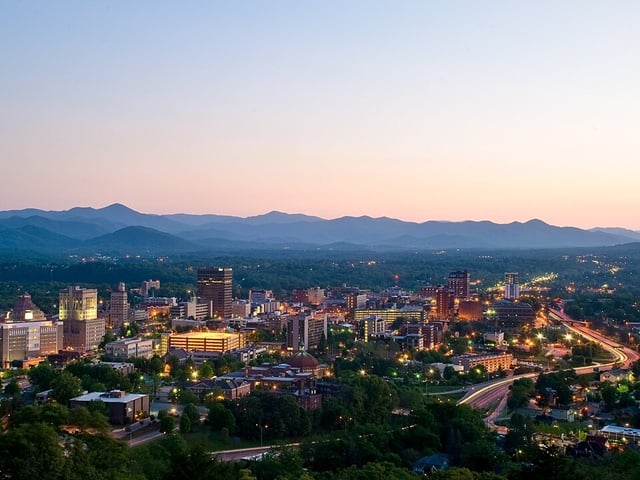
Critically, it possesses high-quality medical facilities that are often lacking in smaller mountain towns. The drawback is that its popularity has led to higher housing costs.
Boone, North Carolina
A classic college town atmosphere often means excellent intellectual opportunities, lectures, and events.
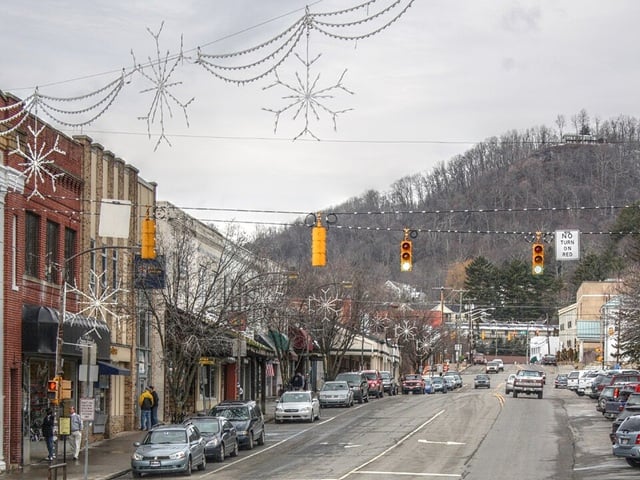
While smaller than Asheville, it offers a lower cost of living and easy access to Appalachian State University resources, appealing to active, curious retirees.
2. The Rocky Mountains (Western US)
For those who dream of towering peaks, abundant sunshine, and a true sense of the frontier, the Rockies are unparalleled.
Bozeman, Montana
Bozeman is a growing city with a backdrop of stunning mountains, offering world-class fly fishing, skiing, and hiking.
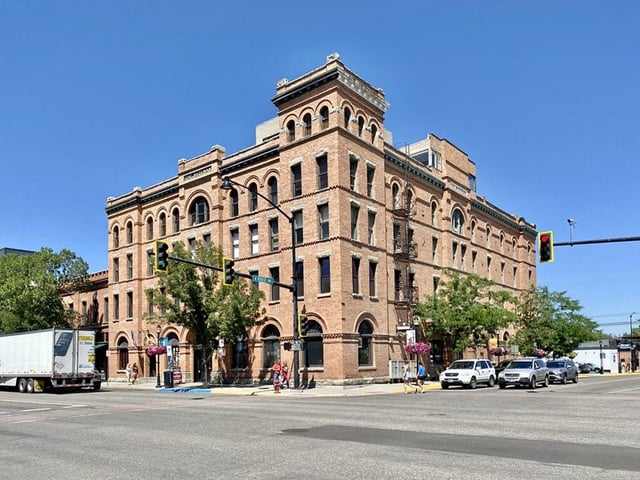
The city has seen significant investment in its infrastructure and amenities. The cost of living is rising, but the natural beauty and outdoor access are arguably the best in the nation.
Taos, New Mexico
Offering a different flavor, Taos provides high-desert beauty, a rich cultural heritage, and a thriving artistic community.
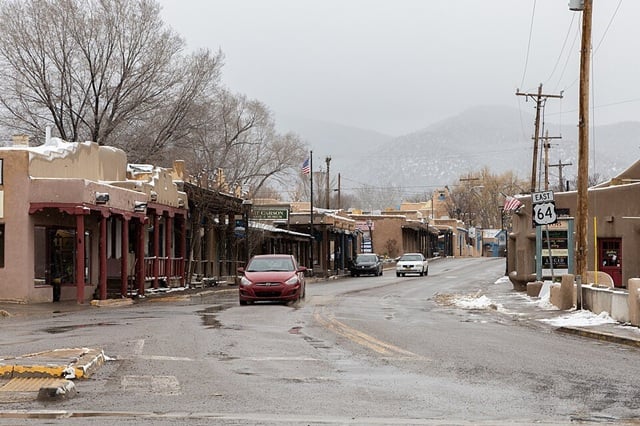
The climate is dry, sunny, and the high elevation offers spectacular views. This locale appeals to retirees seeking a unique, spiritually rich environment with milder winters than the northern Rockies.
3. The Pacific Northwest Cascades (Oregon and Washington)
This region is characterized by lush, green forests, volcanic peaks, and proximity to the Pacific Ocean, offering a distinctly different aesthetic.
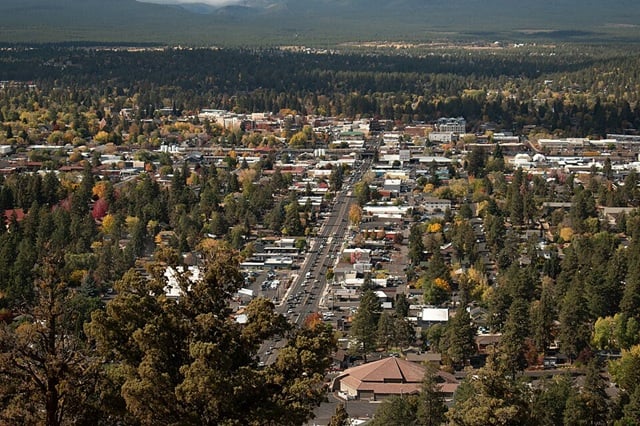
Bend, Oregon
Bend is a highly desirable spot known for its outdoor recreation and craft beer scene. While its popularity has driven prices up, the quality of life, access to the high desert, the Deschutes River, and world-class skiing make it a magnet for active retirees. It maintains excellent connectivity to larger cities in Oregon.
Practical Steps for Planning Your Mountain Move
Once you have identified a few candidates for the best mountain places to retire, a systematic approach to planning is essential. This is a significant life decision, and careful due diligence will prevent future stress.
1. The "Trial Run" Strategy
Before selling your current home, spend extended periods in your prospective mountain town. Do not just visit during the perfect summer month. Rent a home for a full month during the peak of winter. This allows you to:
- Experience the Infrastructure: See how the roads, power grids, and local businesses handle a major snowstorm.
- Assess Isolation: Gauge the feeling of being "snowed in" or dealing with limited daylight hours in the winter.
- Meet Neighbors: Engage with permanent residents to understand the true rhythm of life outside the tourist season.
2. Budgeting for Mountain-Specific Costs
Your retirement budget needs to account for expenses unique to mountain living:
- Heating: Costs for propane, wood, or electric heating can be significantly higher in cold climates.
- Vehicle Maintenance: Four-wheel drive (4WD) or all-wheel drive (AWD) vehicles are often mandatory, as are snow tires, which represent an additional investment.
- Home Upkeep: Roof maintenance, gutter cleaning (due to pine needles), and dealing with potential wildlife issues (bears, rodents) can add to maintenance costs.
3. Engaging with the Community Before Moving
A truly successful retirement depends on social integration. Connect with the community early.
Join online forums, subscribe to the local newspaper, and look for groups aligned with your interests (e.g., hiking clubs, book clubs, volunteer organizations).
This proactive step helps establish a social network even before you unpack your final box.
Conclusion: The Elevated Retirement Life Awaits
The journey to find one of the best mountain places to retire is an exciting pursuit. It is a search for more than just a house; it is a quest for cleaner air, breathtaking views, and a healthier, more engaged life.
By carefully weighing the critical factors of healthcare, accessibility, and climate, and by conducting thorough trial runs, you can confidently make the transition.
See Also:
Embrace the tranquility, the strong community bonds, and the endless opportunities for outdoor adventure that a mountain retirement offers. The majestic quiet and the elevated perspective of mountain living await you as you step into your golden years.


